Room 1Big data, Artificial Intelligence and Precision Health
← Back to Index
Big data, Artificial Intelligence and Precision Health
Dr. Dora Marinova, Ms. Adeline Dorothy (Ph.D student)
TimeSpeakerTitle
點擊任一列,即可查看該講者完整 CV 與摘要 · Click any row to view the speaker's full CV and abstract
← Back to Session 1

SESSION 1 SPEAKER
Dr. Chin-Kun Wang
Chung Shan Medical University
TAIWAN
“Application of Artificial Intelligence on Precision Health-Real Practice”
BIOGRAPHY
Biography not provided by speaker.
← Back to Speaker CV
Application of Artificial Intelligence on Precision Health-Real Practice
Dr. Chin-Kun Wang
Chung Shan Medical University, Taiwan
Full abstract text was not available in the submitted materials. Please refer to the talk title above, or contact the speaker directly.
← Back to Session 1

SESSION 1 SPEAKER
Dr. Dora Marinova
Curtin University
AUSTRALIA
“Precision Health and Artificial Intelligence (AI): A Bibliographic Analysis”
BIOGRAPHY
Dora Marinova is Professor of Sustainability at the Curtin University Sustainability Policy (CUSP) Institute, Australia which she established in 2007 and where she was Director between 2015 and 2018 and Deputy Director between 2007 and 2015. Her areas of research interest cover sustainability, innovation and sustainometrics.
Dora has more than 400 refereed publications and has supervised 85 PhD students to successful completion. In 2023, the book Food in a Planetary Emergency which she co-authored with Diana Bogueva received “Best in the World” in the Future of Food category of the prestigious 28th Gourmand Award. Ten of her papers were rated by Altmetric in the top 5% in the world for the social media attention they have received. Since 2013, Dora regularly serves as a member of different peer review panels of Australia’s National Health and Medical Research Council (NHMRC). She is an Elected Member of the Australian Institute of Aboriginal and Torres Strait Islander Studies (AIATSIS) and Elected Fellow of the Modelling and Simulation Society of Australia and New Zealand (MSSANZ). For the period 1975–2023, Scopus lists her as Australia’s top author and 21st in the world in the area of sustainability.
← Back to Speaker CV
Precision health and artificial intelligence (AI): A bibliographic analysis
Dora Marinova
Precision health is a relatively new scientific research area and so is artificial intelligence (AI). They both reshape our approach to human health by improving all areas from prevention, to diagnostics and treatment to supporting community well-being. Using the scientific databases of Scopus and Google Scholar, the paper conducts a bibliographic analysis of the body of work that brings together precision health and AI. After the first few publications in the mid 1990s, the area has become very active reaching 3,340 papers in 2025. A country analysis is also conducted which shows that authors from the USA contribute the bulk (86%) of the work in this interdisciplinary field. The institutional analysis further highlights that universities around the world generate 76% of the publications. A further analysis is conducted about the use of big data. The findings raise the question how advanced health practice is in embracing precision health and AI. Ethical issues and possible responses are discussed.
Keywords — Precision health, Artificial intelligence, bibliographic analysis.
← Back to Session 1
SESSION 1 SPEAKER
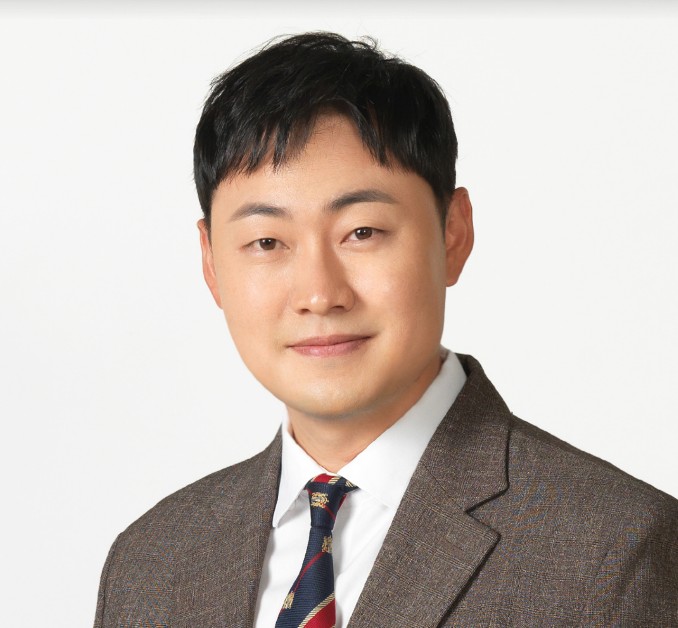
Dr. Bonglee Kim
Kyung Hee University
KOREA
“Natural Product Screening Technology Using Big Data: Methodologies and Applications for Health Functional Foods, Functional Cosmetics, and Anticancer Therapeutics”
BIOGRAPHY
Bonglee Kim, M.D.(KMD), Ph.D.
Current Position — Associate Professor, Department of Pathology, College of Korean Medicine, Kyung Hee University. Chair of Department of Cancer Prevention Material Development, College of Oriental Medicine, Kyung Hee University. Group Leader of Kyung Hee University Korean Medicine Reinterpretation Cancer Research Center. Academic Member, Seoul Oriental Medicine Association.
Education
2014.02-2015.03 — Department of Biomedical Sciences, Texas Tech University, Health Science Center, Amarillo, Texas, USA. Post doc. Project:Caspase-9 as anti-cancer Supervisor : Sanjay K. Srivastava, M.S., Ph.D., FAAAS.
2012.03- 2014.02 — College of Korean Medicine, Kyung Hee University, Seoul, Republic of Korea. Ph.D. in Traditional Chinese Medicine. Project: Inhibitory effect of melatonin from Uncaria rhynchophylla on invasion and epithelial to mesenchymal transition in non-small cell lung cancer cells targeting ZNF746. Supervisor: Sunghoon Kim.
2010.03- 2012.02 — College of Korean Medicine, Kyung Hee University, Seoul, Republic of Korea. MS. in Traditional Chinese Medicine. Project: Brazilin induces apoptosis and suppresses histone deacetylase in multiple myeloma U266 cells. Supervisor: Sunghoon Kim.
2003.03 - 2009.02 — College of Korean Medicine, Kyung Hee University, Seoul, Republic of Korea. Bachelors in Traditional Chinese Medicine. Supervisor: Sunghoon Kim.
2002.03 - 2003.02 — Seoul National University, Seoul, Republic of Korea. Bachelors in Life Sciences.
← Back to Speaker CV
Caesalpinia sappan L. potentiates osimertinib activity by reactivating p53 signaling via GSK-3β/MDM2 modulation in resistant non-small cell lung cancer
Min Choi, Moon Nyeo Park, Mohammed Dalli, Fahrul Nurkolis, Han Na Kang*, Bonglee Kim*
Background & Objective: Osimertinib has shown remarkable clinical efficacy in treating epidermal growth factor receptor (EGFR)-mutated non-small cell lung cancer (NSCLC). However, acquired resistance remains inevitable, necessitating novel combination strategies. This study investigated whether the natural compound Caesalpinia sappan and its major bioactive compound, protosappanin B, could enhance the anticancer efficacy of osimertinib and overcome acquired resistance in EGFR-mutant NSCLC. Methods: The synergistic effects of C. sappan and osimertinib were evaluated using an osimertinib-resistant patient-derived xenograft (PDX) model (YHIM-1053) and its corresponding cell line (YU-1096). Cell viability, colony formation, mitochondrial membrane potential, and cell-cycle progression were assessed. Protein expression and interactions within the p53 signaling pathway were analyzed by Western blotting, co-immunoprecipitation, and immunofluorescence. The in vivo efficacy and toxicity of the combination were tested in the YHIM-1053 PDX model. Results: Combination treatment with C. sappan and osimertinib markedly reduced cell viability and colony formation, induced G0/G1 arrest through downregulation of CDK4 and CCND1, and disrupted mitochondrial membrane potential. Mechanistically, the combination restored tumor-suppressor signaling by modulating the GSK-3β/MDM2/p53 axis, leading to p53 stabilization and activation. In vivo, the combination significantly suppressed tumor growth in PDX models without systemic toxicity. The crude C. sappan extract exhibited greater efficacy than protosappanin B alone. Conclusion: C. sappan enhances osimertinib efficacy in resistant NSCLC by reactivating p53 signaling via GSK-3β/MDM2 modulation. The findings offer a promising phytochemical-integrated strategy against osimertinib resistance.
Keywords — Caesalpinia sappan L, Osimertinib, p53, non-small cell lung cancer, protosappanin B, anti-cancer.
← Back to Session 1

SESSION 1 SPEAKER
Dr. Diana Bogueva
Curtin University Sustainability Policy (CUSP) Institute
AUSTRALIA
“The Gen Z Effect: How a Data-Native Generation Is Accelerating AI-Driven Food Innovation”
BIOGRAPHY
Diana Bogueva is a social scientist with a PhD from Curtin University, specializing in sustainable food consumption, generational consumer behavior, food and masculinity, alternative proteins, novel food processing technologies, and sustainable food practices and innovative consumer-driven solutions food sustainability and harmonization. Her research aligns closely with the global shift toward sustainable food practices and innovative consumer-driven solutions. Her work has received several prestigious awards, including at the 24th and 28th Gourmand Awards, often likened to the Oscars for food books, for her edited book "Environmental, Health and Business Opportunities in the New Meat Alternatives Market" (2019) and co-authored book "Food in a Planetary Emergency" (2022). Her recent co-edited book "Nutrition Science, Marketing Nutrition, Health Claims, and Public Policy" (2023) is a finalist at the Association of American Publishers Awards for Professional and Scholarly Excellence (PROSE) Awards. Diana is currently a Research Fellow at the Curtin University Sustainability Policy Institute, Australia where she also teaches the "People and Planet" unit as part of the Masters in Sustainability and Built Environment. She is the President of the Global Harmonization Initiative, headquartered in Vienna, and serves as a Board Member and Chair of the Consumer Perception Working Group.
← Back to Speaker CV
The Gen Z effect: How a data-native generation is accelerating AI-driven food innovation
Diana Bogueva
Curtin University Sustainability Policy (CUSP) Institute, Australia.
Abstract: Gen Z is speeding up a transformation that the food and health sectors have been slow to address. As the first generation raised with constant digital input, real-time biometrics and AI-driven tools, they expect food, wellness and nutrition to be personalised, data-based and able to adapt quickly. Their behaviour is pushing AI-enabled food innovation, from AlphaFold-supported protein design to generative AI meal planning and precision fermentation, out of research settings and into everyday consumer demand. This presentation looks at how Gen Z’s digital habits - self-tracking, microbiome testing, AI-curated diets and a comfort with sharing and interpreting data - are reshaping expectations of what food should deliver for health and performance. At the same time, the real-world evidence behind precision nutrition reveals major challenges: unreliable wearable data, opaque algorithms, commercial influence and weak governance around food-related data. The Gen Z effect is not only technological; it is cultural. This generation is quick to abandon traditional nutrition advice, long-established brands and institutional authority when they fall short on transparency or scientific credibility. Understanding this shift is essential for turning precision health into practical solutions and for building food systems that can meet the expectations of a generation demanding more - from science, from technology and from the truth.
Keywords — Precision Nutrition, Gen Z Health Behavior, AI-driven Food Innovation, Personalized Wellness, Digital Health Data Governance.
← Back to Session 1

SESSION 1 SPEAKER
Dr. Jaideepsinh Raulji
Navrachana University
INDIA
“AI Architectures for Multimodal Data in Healthcare and Precision Nutrition”
BIOGRAPHY
Dr. Jaideepsinh Raulji
Assistant Professor and Head PhD Office,
Computer Science and Engineering Department,
School of Engineering and Technology,
Navrachana University, Vadodara
Linkedin : https://www.linkedin.com/in/jaideepsinhraulji
Dr. Jaideepsinh Raulji is an academician and researcher with over two decades of experience in technology education, currently serving as an Assistant Professor in the Department of Computer Science and Engineering and Head of the PhD Office at Navrachana University, Vadodara. He holds a PhD in Computer Science with research on machine translation algorithms with a focus on transfer of grammar approach. His areas of teaching and interest are Artificial Intelligence, Natural Language Processing (NLP), Data Science and Machine Learning, with a focus on NLP embeddings and deep learning frameworks. He is also involved in projects dealing with medical data analysis and prediction comprising tabular, text and image data working on a multimodal framework. His work has been published in multiple SCOPUS and Web-of-Science indexed journals and conferences. He has also developed specialized tool "GujStem" - which is an exhaustive Morphological Gujarati Stemmer published on Python Package Index repository (pypi.org). He is also invited as mentor in hackathons, panel discussions, knowledge sharing in several institutions through workshops and seminars on the topic like "The Evolution of Encodings in NLP: From Sparse Counts to Dense Contextual Embeddings".
← Back to Speaker CV
AI Architectures for Multimodal Data in Healthcare and Precision Nutrition
Jaideepsinh Raulji
Department of Computer Science and Engineering, School of Engineering and Technology, Navrachana University, Vadodara, Gujarat, India. Email: jaideep.raulji@nuv.ac.in
Abstract The transition from generalized dietary guidelines to Precision Nutrition represents a fundamental shift in managing global health, requiring the sophisticated processing of complex and diverse data streams. As Artificial Intelligence becomes the central engine for identifying effective nutraceuticals, dietary supplements, and functional foods, the technical challenge evolves from simple classification to the robust fusion of disparate data modalities. This talk provides a deep technical dive into AI architectures tailored for precision health interventions. Building on the interdisciplinary research at the Centre for Interdisciplinary Computing Science (CICS), Navrachana University, we detail the rigorous technical pipeline required to navigate the challenges of acquiring, cleaning, and modeling heterogeneous clinical data. We examine the deployment of TabNet and TabR for structured biomarkers, utilizing their sparse attention mechanisms to handle the feature sparsity inherent in clinical records. The application of Transformer-based LLMs and Domain-Specific Embeddings to extract latent insights from unstructured dietary logs, alongside Vision Transformers (ViT) for the accurate identification of functional food components and physiological markers. By merging these senses through a strategy of Multimodal Intermediate Fusion, it can mitigate the risk of modality collapse and ensure model accuracy even in data-sparse environments. By standardizing these advanced deep learning pipelines, one can move from raw data challenges to scalable, personalized nutrition interventions that effectively reduce disease risk on a global scale.
Keywords — Multimodal, Clinical data heterogeneity, Precision nutrition, TabNet, Deep Learning Models.
← Back to Session 1

SESSION 1 SPEAKER
Dr. Sandeep Vasant
Navrachana University
INDIA
“AI as a Collaborative Partner in Precision Health: Bridging Computer Science and Clinical Practice”
BIOGRAPHY
Brief bio – Professor Sandeep Vasant
Professor Sandeep Vasant, PhD, is a distinguished academic leader and visionary in higher
education. He serves as Professor in the Computer Science Program at the School of Engineering
and Technology, Registrar of Navrachana University, and the founding Director of the Centre for
Interdisciplinary Computing Science (CICS). The Centre is dedicated to fostering cross-disciplinary
research in the critical domains of Artificial Intelligence and Healthcare.
With more than 22 years of exemplary experience in teaching, research, academic administration,
strategic leadership, and industry consultancy in computing sciences, Professor Vasant combines
deep scholarly expertise with practical impact in higher education and beyond.
A major milestone in his career is being awarded the prestigious Fulbright-Nehru International
Scholarship for 2024-2025, one of the most competitive and esteemed recognitions globally. During
his time in the United States under this scholarship, he engaged with distinguished professors and
senior leadership at top-rated institutions—including Purdue University, University of Chicago,
University of Maryland Baltimore County, Northwestern University, Art Institute of Chicago,
University of Notre Dame, and Gallaudet University—to explore best practices in higher education
administration, with the aim of advancing internationalization efforts and fostering meaningful
collaborations for Navrachana University.
← Back to Speaker CV
AI as a Collaborative Partner in Precision Health: Bridging Computer Science and Clinical Practice
Sandeep Vasant
Department of Computer Science and Engineering, Navrachana University, Vadodara-391410, Gujarat, India.
Abstract Artificial intelligence is no longer a futuristic concept in healthcare — it is already reshaping how we diagnose, treat, and predict disease. Yet its full potential, particularly in precision health, remains largely unrealized. This talk explores the pivotal role AI can play in transforming healthcare delivery, not as a replacement for clinical judgment, but as a powerful tool that augments it. We begin by examining where AI is already making a difference — from medical imaging and early disease detection to personalized treatment recommendations — and why these advances matter for precision health specifically. We then honestly confront the challenges that slow progress: data quality and heterogeneity, lack of interpretability in complex models, regulatory uncertainty, and the difficulty of building clinical trust in algorithmic outputs. Drawing on ongoing interdisciplinary projects at the Centre for Interdisciplinary Computing Science (CICS), Navrachana University, India, we present real examples of applying machine learning to clinical data and medical images to improve diagnostic and prognostic decision-making. These projects reflect our belief that meaningful AI in healthcare is built at the boundary between computer science and clinical practice — not within either discipline alone. The talk closes with an open invitation for collaboration across research, data, and academic exchange.
Keywords — Artificial Intelligence, healthcare, prognosis, diagnosis, clinical application
Room 2Precision Nutrition/ Precision Medicine
← Back to Index
Precision Nutrition/ Precision Medicine
Dr. Yong Sang Song, Mr. Asif Ali (Ph.D student)
TimeSpeakerTitle
點擊任一列,即可查看該講者完整 CV 與摘要 · Click any row to view the speaker's full CV and abstract
← Back to Session 2

SESSION 2 SPEAKER
Dr. Yong Sang Song
Myungji Medical Foundation, Myungji Hospital
KOREA
“Spatiotemporal Evolution–Guided Spatial Omics Diagnostics for Predicting Chemoresistance in High-Grade Serous Ovarian Cancer”
BIOGRAPHY
Biography not provided by speaker.
← Back to Speaker CV
Spatiotemporal Evolution–Guided Spatial Omics Diagnostics for Predicting Chemoresistance in High-Grade Serous Ovarian Cancer
Eunji Song, Aeran Seol, Chungwon Amos Lee,Heeyeon Kim, Yeonji Lee, Taejin Ahn, Danny N. Dhanasekahran and Yong Sang Song
High-grade serous ovarian cancer (HGSOC) remains the most lethal gynecologic malignancy, largely due to high recurrence rates following primary debulking surgery with platinum-based chemotherapy. Approximately 80% of patients experience relapse within 18 months, highlighting the critical role of chemoresistance driven by intratumor heterogeneity and tumor microenvironmental dynamics. Conventional bulk sequencing approaches fail to capture spatially organized molecular programs contributing to chemoresistance. We initially developed two-dimensional transcriptomic model predicting the chemoresistance using five best fit DNN models together with ensembel model, more than 90 % accuracy. Next we have been exploring an integrated spatial multi-omics framework, investigating the mechanisms of chemoresistance in HGSOC. using SLACS (spatially resolved laser activated cell sorting system) platform enabling transcriptome-wide profiling while preserving tissue architecture. These data were combined with spatial proteomics, single-cell RNA sequencing, and clonal evolution analysis using CNV inference and SNV. Transcriptomic prediction models for platinum sensitivity were developed using deep neural network approaches trained on multi-cohort datasets including TCGA and institutional biobank samples. In parallel, spatial transcriptomic and radiogenomic data were integrated to identify molecular programs associated with recurrence. Spatial analysis revealed distinct tumor and stromal niches associated with platinum resistance. Key recurrence-associated interaction pathways will be discussed including TNF-α/NF-κB signaling, oxidative phosphorylation (OXPHOS), G2/M checkpoint activation, proliferative pathways and immune-related pathways. Deep learning–based transcriptomic models successfully predicted platinum sensitivity using a panel of essential genes derived from large datasets. Spatial omics technologies provide critical insights into the spatial organization of chemoresistant niches and tumor evolution in ovarian cancer. Integrating spatial transcriptomics and clonal analysis enables a comprehensive framework for biomarker discovery, patient stratification, and precision therapy design. These findings support the development of spatially informed predictive assays and targeted therapeutic strategies for refractory ovarian cancer.양식의 맨 아래
Keywords — High-grade serous ovarian cancer, Spatial omics, TNF-α/NF-κB signaling.
← Back to Session 2

SESSION 2 SPEAKER
Dr. Danny N. Dhanasekaran
University of Oklahoma Health Sciences Center
USA
“LncRNAs as Meta-Regulators: From Cellular Homeostasis to Precision Health”
BIOGRAPHY
Dr. Danny Dhanasekaran earned his Ph.D. in Biochemistry from the Indian Institute of Science, India, followed by postdoctoral training at the University of Wisconsin-Madison and the National Jewish Center for Immunology and Respiratory Medicine. He is a Professor of Cell Biology at the University of Oklahoma Health Sciences Center and serves as Senior Director of Research Strategy at the Stephenson Cancer Center, where he holds the Samuel Noble Foundation Endowed Chair in Cancer Research. He is also the director of the NIH-supported Center of Biomedical Research Excellence and oversees the center’s research initiatives.
Dr. Dhanasekaran has received numerous accolades, including the Acres of Diamond Award and the Million Dollar Research Award from Temple University. He has held distinguished visiting positions at institutions such as Seoul National University, S. Korea, the University of Tokyo Medical and Dental University, Japan, and Università del Piemonte Orientale, Italy. Additionally, he served as a charter member of the NIH Tumor Cell Biology Study Section and reviews grants for major funding bodies like NIH, DOD, and AHA. Recognized on Stanford/Elsevier’s list of the world’s top 2% scientists, Dr. Dhanasekaran is also an editor and editorial board member for leading scientific journals.
His research focuses on transcriptomic and metabolomic variations in ovarian cancer, particularly through omics analyses across diverse populations.
← Back to Speaker CV
LncRNAs as Meta-regulators: From Cellular Homeostasis to Precision Health
Revathy Nadhan1, Sneha Basu1, Ji Hee Ha1, Muralidharan Jayaraman1, Camelia Munteanu2, Yong Sang3, Ciro Isidoro4, Danny N. Dhanasekaran1
1Stephenson Cancer Center, The University of Oklahoma Health Sciences Campus, Oklahoma City, OK 73104, USA 2Biology section, Faculty of Agriculture, University of Agricultural Sciences and Veterinary Medicine Cluj-Napoca, ROMANIA 3Department of Obstetrics and Gynecology, Myongji Hospital, Gyeonggi-do 10475, Republic of Korea 4Department of Health Sciences, Università del Piemonte Orientale, Novara, Italy
Abstract Long non-coding RNAs (lncRNAs) have emerged as critical regulatory nodes within cellular signaling networks, orchestrating gene expression and functional outputs across diverse physiological and pathological contexts. Unlike conventional signaling molecules, lncRNAs operate through multimodal mechanisms, including scaffolds, guides, decoys, and effectors, enabling them to integrate transcriptional, epigenetic, and post-transcriptional regulation within dynamic cellular environments. In this presentation, we outline a unifying framework for lncRNA-mediated signaling that links structural complexity to functional versatility and to network-level control of cellular homeostasis. We highlight how dysregulated lncRNA signaling contributes to disease pathogenesis across cancer, metabolic disorders, and cardiovascular diseases, positioning lncRNAs as central mediators of context-dependent signaling rewiring. We further discuss the translational potential of lncRNAs as biomarkers and therapeutic targets and propose developing integrative, network-based models that incorporate lncRNA signaling to enable biomarker-guided stratification and precision intervention. Collectively, this work positions lncRNAs as central integrators of cellular and systemic signaling, providing a conceptual and translational bridge from molecular networks to precision health.
Keywords — lncRNAs, Meta-regulators, precision health, biomarker.
← Back to Session 2

SESSION 2 SPEAKER
Dr. Sarah S. Comstock
Michigan State University
USA
“Food-Based Dietary Intervention During Pregnancy: A Precision Health Approach”
BIOGRAPHY
Sarah Comstock is an associate professor in the Department of Food Science and Human Nutrition at Michigan State University. She earned a BS in Biochemistry from the University of Chicago and a PhD in Nutritional Biology from the University of California, Davis. Her research focuses on exposures that build host-associated microbiomes which ensure appropriate child development, with a primary focus on diet and nutrition. The overall goal of her research program is to formulate specific diets and/or supplements to shape the early development of the human gastrointestinal microbiome and enable each child to achieve future optimal health.
← Back to Speaker CV
Food-Based Dietary Intervention During Pregnancy: A Precision Health Approach
Sarah S. Comstock
Department of Food Science & Human Nutrition, Michigan State University. 469 Wilson Rd. East Lansing, MI 48824
Abstract A high-quality prenatal diet is associated with improved birth outcomes as well as improved child development. However, globally many women consume poor quality diets during pregnancy. Whereas supplementation and fortification programs have successfully improved outcomes for some populations, a food-based approach may be more appropriate in other populations. The PEAPOD-2 study, a food-based dietary intervention, provided personalized dietary interventions for pregnant women and was designed to assess dietary intake, skin carotenoid levels, and gut microbiota composition and diversity in the third trimester of pregnancy. Women chose intervention foods from a selection of high fiber, carotenoid-rich foods. Data was collected pre- and post-intervention. Participant engagement scores were calculated, with engagement high throughout the study period with a slight decrease in engagement detected across the 10-day intervention period. Regardless of participant engagement score, the intervention increased carotenoid levels but had minimal impact on gut microbiota composition and diversity. Diet quality also remained stable across the study period. Thus, this food-based intervention increased skin carotenoid levels, an important biomarker of overall fruit and vegetable intake. Future food-based interventions during pregnancy should incorporate initial report-back of an easily measured biomarker, such as skin carotenoids, as well as ensuring participant choice in intervention foods in order to achieve precision health.
Keywords — Dietary intervention, precision health, pregnancy, skin carotenoid, PEAPOD-2.
← Back to Session 2
SESSION 2 SPEAKER
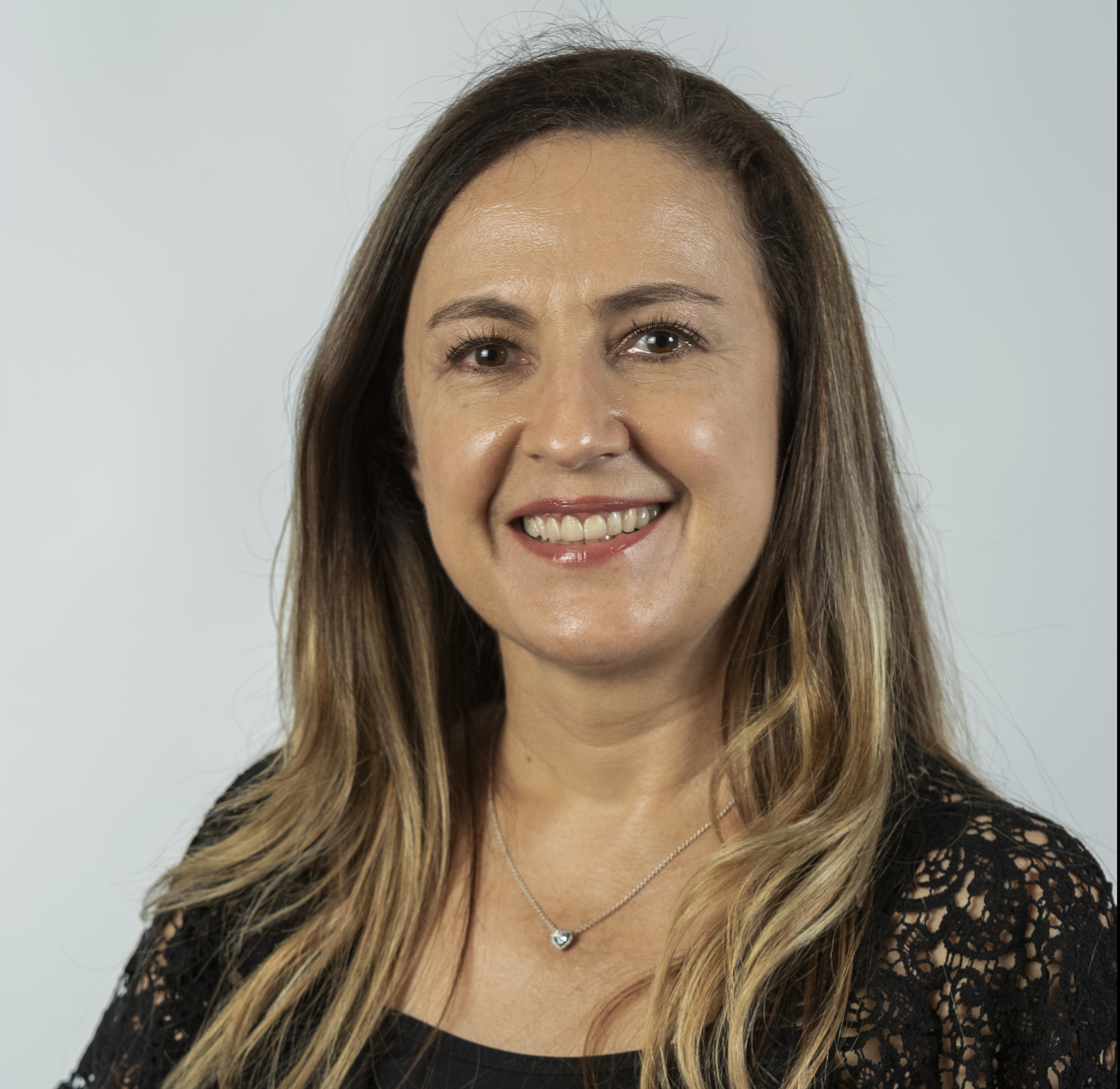
Dr. Belinda Meiring
Tshwane University of Technology
SOUTH AFRICA
“Food Matrices as Drivers of Nutrient Release and Protein Quality: Contextualising Precision Health in African Food Systems”
BIOGRAPHY
Belinda Meiring
Associate Professor, Department of Biotechnology and Food Technology, Tshwane University of Technology
MeiringB@tut.ac.za
+27 82 461 2040
orcid.org/0000-0003-4147-9313
linkedin.com/in/belinda-meiring-57973619
Scopus Author ID: 59261408700
Publications (2019–2025)
1. De Jager, K., Augustyn, W., Regnier, T., Meiring, B.
(2025). Investigating the nutritional and sensory
potential of selected indigenous South African fruits
Physicochemical properties, jam production and
quality evaluation. Food Science & Nutrition,
13:e70287. DOI
2. Maseko, K.H., Regnier, T., Bartels, P., Meiring, B.
(2025). Mushroom mycelia as sustainable alternative
proteins. Journal of Food Science, 90:e70060. DOI
3. Dibakoane, S.R., et al. (2025). Influence of hydrocolloids
on unripe banana flour pasta. Food Science & Nutrition,
13:e70099. DOI
4. Maseko, K.H., et al. (2024). Effect of culture media
Profile
on Pleurotus ostreatus mycelia. International Journal of Food
Science, 5562732. DOI
Experienced Food Scientist passionate about education and 5. Dibakoane, S.R., et al. (2024). The multifactorial
phenomenon of enzymatic hydrolysis resistance in
research for human and environmental benefit. Proven
unripe banana flour and its starch. Journal of Food
expertise in securing funding, managing projects, and
Science, 89:5185–5204. DOI
mentoring students. Specializations: Food Chemistry, Food
6. Devarajan, R., et al. (2024). Genomic and subgenomic
Analysis, New Food Product Development.
← Back to Speaker CV
Food Matrices as Drivers of Nutrient Release and Protein Quality: Contextualising Precision Health in African Food Systems
Belinda Meiring
Department of Biotechnology and Food Technology, Tshwane University of Technology, Pretoria, South Africa
meiringb@tut.ac.za Precision health aims to design dietary strategies that reflect inter-individual variability in metabolism, microbiome composition, environment, and lifestyle. The food matrix is a critical determinant of nutrient release, bioaccessibility, and digestion behaviour, with nutritionally similar foods often producing markedly different outcomes depending on their structural properties and processing histories. This has implications not only for nutritional value but also for potential exposure to naturally occurring toxins. This presentation explores starch properties, protein quality, digestion and nutrient release behaviour, sensory attributes, and health relevance, drawing on contemporary precision nutrition literature and case studies from recent investigations of matrices relevant to African food systems. Cultural food practices, affordability, and dietary transitions shape nutritional realities, particularly in populations facing the simultaneous burdens of undernutrition, hidden hunger, and obesity. Emerging evidence shows that fungal mycelia, plant-based ingredients, and hybrid protein systems exhibit matrix-dependent differences in flavour-active metabolites, amino acid profiles, and functional characteristics—factors that intersect with nutritional performance, sustainability, and consumer acceptance. When viewed within the broader landscape of precision health research, encompassing omics, microbiome variation, and data-enabled dietary analysis, matrix-aware perspectives offer valuable complementary insights for developing context-specific, population-relevant nutrition strategies. Finally, key opportunities for advancing precision-health-aligned food design will be outlined, including improved nutrient utilisation, enhanced sensory quality, reduced environmental burden, the strategic incorporation of underutilised African crops, and pathways that support sustainable and culturally meaningful protein innovation. The aim is to connect robust scientific evidence with practical routes for collaboration across the food-science, nutrition, and precision-health communities.
Keywords — food matrix; precision nutrition; alternative proteins; African crops; nutrient release
← Back to Session 2
SESSION 2 SPEAKER
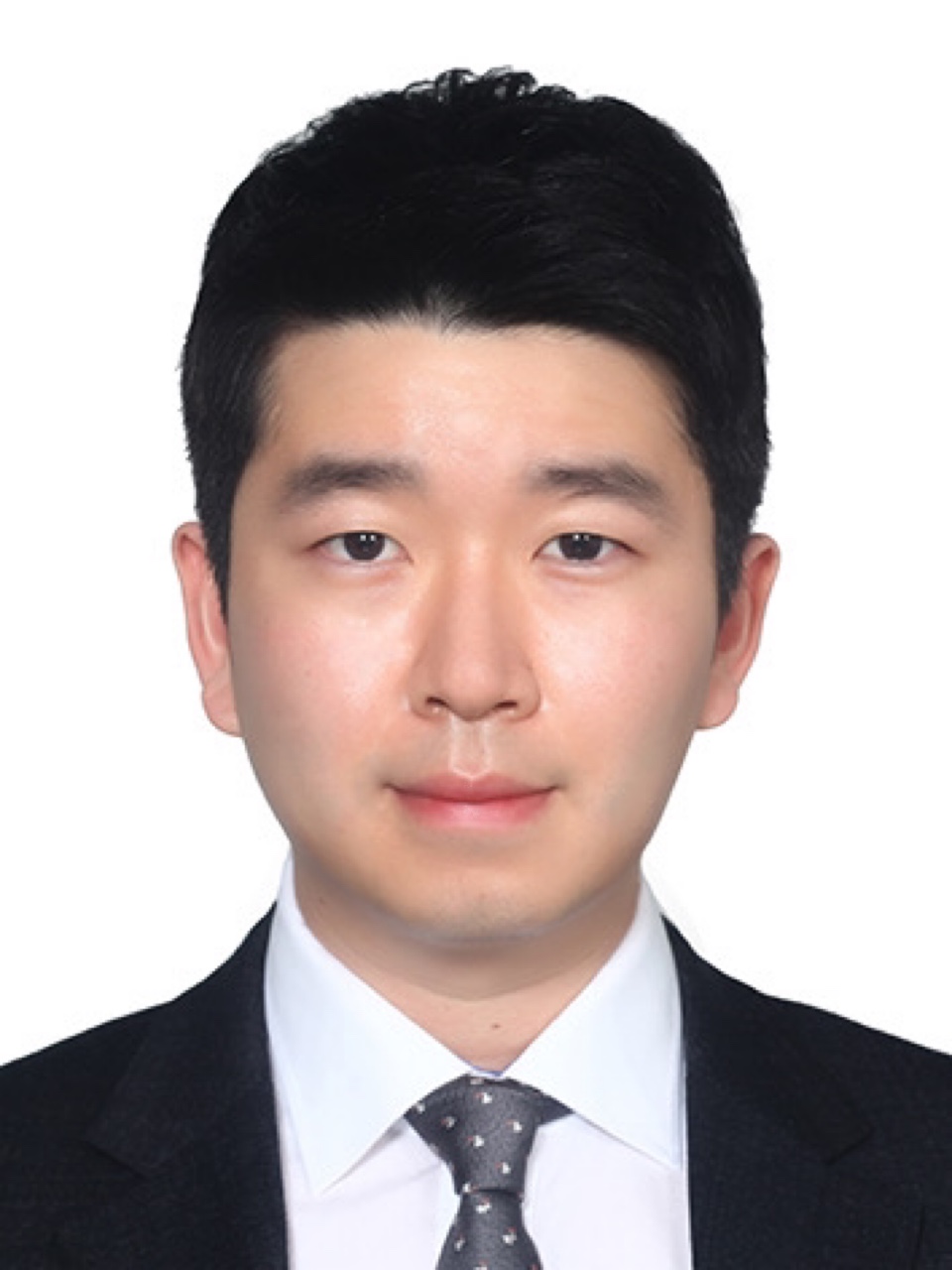
Dr. Amos Chungwon Lee
Meteor Biotech, Seoul
KOREA
“Spatially-Resolved Isolation of Disease- Driving Cells From Intact Tissues Using Laser- Activated Cell Sorting”
BIOGRAPHY
Biography not provided by speaker.
← Back to Speaker CV
Spatially-Resolved Isolation of Disease-Driving Cells from Intact Tissues Using Laser-Activated Cell Sorting Amos Lee¹*
Meteor Biotech, Seoul, Republic of Korea. *Corresponding Author: Amos Lee (CEO), Meteor Biotech, Seoul, Republic of Korea. Email: amos.lee@meteorbiotechc.com Abstract:
Understanding complex disease biology requires precise identification of the specific cells that drive pathological processes within intact tissue environments. However, conventional bulk and even many spatial omics approaches remain limited in their ability to directly isolate and functionally characterize these critical cellular populations. Here, we present Spatially-resolved Laser Activated Cell Sorting (SLACS), a novel technology that enables the direct isolation of phenotypically defined cells from intact tissue sections while preserving spatial context. SLACS integrates high-resolution imaging with laser-based selection to extract targeted cells based on multiplexed molecular markers and morphological features. This approach allows for downstream multi-omic analyses, including transcriptomic and proteomic profiling, of precisely defined cellular subsets. We demonstrate the application of SLACS in oncology, where rare and spatially distinct tumor-associated cell populations were isolated and profiled. Our results reveal distinct molecular signatures in microenvironment-specific cell populations, uncovering potential therapeutic targets and mechanisms of disease progression that are not detectable using conventional dissociation-based methods. By enabling direct access to disease-driving cells within their native spatial context, SLACS provides a powerful platform for advancing precision medicine, target discovery, and translational research. This technology bridges the gap between spatial information and functional cellular analysis, offering new opportunities for understanding complex biological systems.
Keywords — Spatial biology, Cell sorting, Tumor microenvironment, Precision medicine, Spatial omics, Target discovery
← Back to Session 2

SESSION 2 SPEAKER
Dr. Sylwia Zielinska
Wroclaw Medical University
POLAND
“From Plant Tissue Culture to Precision Health: Controlled Production of Edible Anti- Inflammatory Betalains From Basella Alba f. rubra”
BIOGRAPHY
Prof. (Dr., Sc.D.) Sylwia Zielinska is an expert in the filed of in vitro culture techniques for producing plant specialized metabolites. She earned her PhD in Pharmaceutical Sciences (specializing in Pharmaceutical Biotechnology) from Wroclaw Medical University in 2014 and received tenure there in 2020. Since May 2021, she has served as the Head of the Department of Pharmaceutical Biotechnology and since September 2024 she has held the position of Vice-Dean for Nutrition at Pharmacy Faculty.
Her research focuses on metabolite production in plant in vitro cultures across diverse taxonomic groups. She analyzes compounds such as phenylpropanoids, terpenoids, isoquinoline alkaloids, saponins, iridoid glycosides, and betalains. She has authored 39 international publications and over 40 conference presentations and has led four projects funded by the National Science Centre and four by Wroclaw Medical University in Poland.
Sylwia Zielińska has served as a reviewer for scientific articles submitted to indexed international journals and as a guest editor for special issues in journals such as Phytochemistry Letters, International Journal of Molecular Sciences, Pharmaceutics, Frontiers in Natural Products, Processes, and Plants.
Her recent work is focused on isoquinoline alkaloids - including protoberberine, protopine, and phenanthridine derivatives - produced by Papaveraceae species.
← Back to Speaker CV
From Plant Tissue Culture to Precision Health: Controlled Production of Edible Anti-Inflammatory Betalains from Basella alba f. rubra
Weronika Kozłowska1, Agnieszka Rusak2, Monika Mrozowska2, Monika E. Czerwińska3, Benita Wiatrak4, Piotr Dzięgiel2, Sławomir Wybraniec5, Adam Matkowski6,7, and Sylwia Zielińska1
1 Division of Pharmaceutical Biotechnology, Department of Pharmaceutical Biology and Biotechnology, Faculty of Pharmacy, Wroclaw Medical University, Borowska 211, 50-556 Wroclaw, Poland. 2 Division of Histology and Embryology, Department of Human Morphology and Embryology, Faculty of Medicine, Wroclaw Medical University, Chałubińskiego 6a, 50-368 Wroclaw, Poland. 3 Department of Biochemistry and Pharmacogenomics, Faculty of Pharmacy, Medical University of Warsaw, Banacha 1, 02-097 Warsaw, Poland. 4 Department of Pharmacology, Faculty of Medicine, Wroclaw Medical University, J. Mikulicza-Radeckiego 2, 50-345 Wroclaw, Poland. 5 Department of Chemical Technology and Environmental Analytics (C-1), Cracow University of Technology, Warszawska 24, 31-155 Cracow, Poland. 6 Division of Pharmaceutical Biology and Botany, Department of Pharmaceutical Biology and Biotechnology, Faculty of Pharmacy, Wroclaw Medical University, Borowska 211A, 50-556 Wroclaw, Poland. 7 Botanical Garden of Medicinal Plants, Department of Pharmaceutical Biology and Biotechnology, Faculty of Pharmacy, Wroclaw Medical University, Al. Jana Kochanowskiego 10/12/14, 51-601 Wroclaw, Poland Abstract Dietary phytochemicals with anti-inflammatory activity are increasingly recognized as important components of precision health strategies aimed at preventing chronic inflammation-associated diseases. Among them, betalains represent a unique group of edible pigments exhibiting antioxidant and immunomodulatory properties. This study developed a precision platform for the sustainable production of phytochemically standardized, betalain-rich biomass from Basella alba f. rubra, an edible species naturally abundant in gomphrenin-type betalains with documented health-promoting activity. Clonal propagation and regeneration protocols were established using in vitro tissue and cell cultures. Biomass production and specialized metabolite accumulation were optimized through controlled LED illumination, including photosynthetically active radiation (PAR), combined with selected plant growth regulators. PAR conditions together with 6-benzylaminopurine markedly enhanced shoot proliferation and betalain accumulation, whereas kinetin stimulated adventitious root formation. Liquid cultures generated substantially higher biomass than solid media. Phytochemical profiling using LC-MS and spectrophotometric analyses confirmed the presence of betanin, isobetanin, gomphrenin, isogomphrenin and their glycosylated derivatives. Shoots were particularly rich in betalains, while roots accumulated phenolic acids and flavonoids, including kaempferol and apigenin derivatives, providing complementary pools of health-promoting phytochemicals. The biological activity of the gomphrenin-enriched fraction and crude extract were evaluated using NHDF, L929 and LPS-stimulated THP-1 cell models. The phytochemically characterized fraction and extract exhibited low cytotoxicity and effectively attenuated inflammatory responses by reducing reactive oxygen species and nitric oxide production, inhibiting NF-κB and cyclooxygenase activity, and decreasing pro-inflammatory cytokine secretion. These findings are consistent with the previously demonstrated anti-inflammatory activity of betalain-rich fractions from B. alba fruits. The developed in vitro production platform enables the reproducible generation of edible, health-promoting phytochemicals and provides a sustainable source of functional ingredients with potential applications in precision nutrition, functional foods, and prevention-oriented healthcare.
Keywords — Precision health, edible betalains, Basella alba f. rubra, anti-inflammatory.
Room 3Food Safety and Health
← Back to Index
Food Safety and Health
Dr. Milen I. Georgiev, Mr. Marius Užupis (Ph.D student)
TimeSpeakerTitle
S 3-110:20–10:40
Dr. Thierry Regnier
Tshwane University of Technology, South Africa
The Nutrition Transition, Double Burden of Malnutrition, Access and Equity in Africa
S 3-210:40–11:00
Dr. Mona Elena Popa
University of Agronomic Sciences and Veterinary Medicine of Bucharest, Romania
Meat Analogues: A Sustainable Alternative for the Food Industry and Human Health and Nutrition
S 3-311:00–11:20
Dr. Darshee Baxi
Navrachana University, India
Towards Precision Medicine: Integrating Biomarkers, Genomics, and Translational Research
S 3-411:20–11:40
Dr. Milen I. Georgiev
Bulgarian Academy of Sciences, Bulgaria
Unveiling Anti-Obesity and Longevity Potential of Natural Products
S 3-511:40–12:00
Dr. Mathoto Thaoge
Tshwane University of Technology, South Africa
Development of Functional Sorghum-Based Foods Fortified With Protein and Probiotics: A Sustainable Solution for Nutritional Security in South African Communities
S 3-612:00–12:20
Dr. Yaohua Betty Feng
Purdue University, USA
Human Factors in Food Safety: Bridging Innovation and Practitioner Adoption
點擊任一列,即可查看該講者完整 CV 與摘要 · Click any row to view the speaker's full CV and abstract
← Back to Session 3

SESSION 3 SPEAKER
Dr. Thierry Regnier
Tshwane University of Technology
SOUTH AFRICA
“The Nutrition Transition, Double Burden of Malnutrition, Access and Equity in Africa”
BIOGRAPHY
470 Polaris Avenue Waterkloof Ridge ext 2
0181, Pretoria
Cell 27 83 594 79 02
Work: 012 382 6202
regniert@tut.ac.za
Personal information
Surname - Regnier
Name - Thierry Jean Claude
Sex - Male
Date of Birth - 23 May 1965
Citizenship - French-Ivory Coast- South Africa
Permanent residence in South Africa
Country of birth - Ivory Coast
Marital status - widow
Language - Fluent in French and English, basic German, basic Spanish
Skills and Expertise
Research methodology
Supervision of postgraduate students
Academic writing
Business presentation
Project management, Marketability, lab. management
ISO training
Strategy planning
Consultation for research design in Ecophysiology, plant chemistry, restoration of degraded ecosystem, stress ecology, vegetation of gold slimes dams and tailings.
Lecturing, (biochemistry, food chemistry, plant pathology, academic writing….)
High Pressure Liquid Chromatography,
Gas Chromatography,
Leco analyser
Enzymology,
Plant extracts (phenolic compounds), bioactivity
Biocontrol, Microbiology
Molecular biology
Plant Physiology, host /pathogen interaction
Fruit production, quality, conservation and export
Bioprocessing
Microbiology.
Professional experience
Full Professor, C2 NRF rated, working at the Department of Biotechnology and Food Technology at Tshwane University of Technology, Pretoria (RSA). I received my PhD in 1994 at the University of Montpellier II in France with a focus on secondary metabolites in wheat.
← Back to Speaker CV
The study of protein-protein interactions for controlling the texture of hybrid foods
Thierry Astruca, Coline Schiella, b, Stéphane Portanguena, Idrissa Diakitea, c, Angélina D’Orlandoc, d, Pierre-Sylvain Miradea aINRAE, UR370 Qualité des Produits Animaux (QuaPA), 63122 Saint-Genès-Champanelle, France bADIV (Association pour le Développement de l’Institut de la Viande), 10 rue Jacqueline Auriol, 63039 Clermont-Ferrand, France cINRAE, UR1268 Biopolymères Interactions Assemblages (BIA), 44300 Nantes, France: angelina.dorlando@inrae.fr
dINRAE, PROBE research infrastructure, BIBS facility, 44300 Nantes, France;
Abstract Hybrid foods, composed of plant or fungal matter and animal matter, represent an innovative and sustainable food solution for adapting to the global food transition. The degree of interaction between plant and animal compounds governs the food's structural cohesion and texture. In the context of designing a liver/lentil hybrid food. we hypothesized that the level of protein denaturation could regulate the level of interaction between proteins and, consequently, modulate the food's texture. Differential Scanning Calorimetry (DSC) was used to determine the denaturation temperatures of lentils proteins and liver albumin which were 85 °C and 80 °C, respectively. We then evaluated the rheological properties and microstructure of thermal gels from 5% protein solutions at 0:100, 30:70, 50:50, 70:30 and 100:0 lentils proteins: liver albumin ratios. The mixed-protein combinations showed synergistic interactions. Up to a lentil protein concentration of 50%, the mixed gels exhibited a more compact and structured network than gels made from pure lentil protein. They displayed a stable elastic structure and increased resistance to deformation. The use of atomic force microscopy coupled with force spectroscopy demonstrated that the thermal denaturation of the proteins enhanced their degree of interaction, likely resulting from the formation of hydrophobic and hydrogen bonds. This work indicates that the texture of hybrid foods can be modulated by adjusting the degree of protein denaturation. This approach can also be used to ensure better cohesion of layers in 3D-printed foods. Finally, while we have focused on proteins so far, other compounds such as carbohydrates (fiber, starch) or lipids can also be involved in modulating texture, and the processes could also affect their degree of interaction with other food molecules.
Keywords — hybrid food, protein denaturation, protein interaction, texture, AFM-force spectroscopy
← Back to Session 3

SESSION 3 SPEAKER
Dr. Mona Elena Popa
University of Agronomic Sciences and Veterinary Medicine of Bucharest
ROMANIA
“Meat Analogues: A Sustainable Alternative for the Food Industry and Human Health and Nutrition”
BIOGRAPHY
Professor Mona Elena Popa is a corresponding member of the Academy of Agricultural and Forestry Sciences of Romania, director of Romanian Association for Food Science Professionals (ASIAR) Bucharest branch, EHEDG Romania cofounder and vice-president, GHI member, etc. She is full professor in the Faculty of Biotechnology at the University of Agronomic Sciences and Veterinary Medicine of Bucharest, Romania providing courses at Bachelor, master and PhD levels. Main expertise is food science and technology with special focus on food preservation, food packaging, food biotechnology and food safety issues. She has been actively involved at regional, national, and international levels in research related projects on food science and technology. She is author or coauthor for many professional and scientific publications.
POPA MONA ELENA, 62 years old, graduate of Food Science and Technology Faculty in 1985 at Galati University, PhD diploma in Industrial Engineering, from 2001, at University „Lucian Blaga” of Sibiu with PhD thesis: „Modified atmosphere packaging of food”. She worked as chief of processing area in a company for fruits and vegetables canning between 1985 and 1987 and Head of Preservation and Packaging Department in R&D Institute of Food Chemistry from 1987 till 1999 when she moved to academia. Current position is full professor teaching food preservation, food safety, food packaging, food hygiene, food consumer behavior, and PhD supervisor for Biotechnology field.
← Back to Speaker CV
Meat Analogues: A Sustainable Alternative for the Food Industry and Human Health and Nutrition
Mona Elena Popa1,2, Adina Nichita1, Liviu Gaceu3,4,5
1 University of Agronomic Sciences and Veterinary Medicine of Bucharest, Romania 2 Academy of Agricultural and Forest Sciences Gheorghe Ionescu-Şişeşti, 61 Bd. Marasti 1, Bucharest, Romania 3 Transilvania University of Brasov, Faculty of Food and Tourism, Eroilor street no. 39, Brasov, Romania 4 CSCBAS&CE-MONT Centre/INCE-Romanian Academy, Casa Academiei Romane, Calea 13 Septembrie no. 13, Bucharest, Romania 5 Academy of Romanian Scientists, Ilfov Street, no. 3, Bucharest, Romania
Abstract The growing global population, environmental concerns, and increasing awareness of health-related issues associated with excessive meat consumption have intensified the search for sustainable dietary alternatives. Meat analogues, also known as plant-based or alternative meat products, have emerged as a promising solution to address these challenges. Designed to mimic the sensory characteristics, texture, and nutritional profile of conventional meat, meat analogues are typically produced from plant proteins such as soy, pea, wheat, and other novel protein sources. From an environmental perspective, the production of meat analogues generally requires fewer natural resources, including land, water, and energy, and is associated with lower greenhouse gas emissions compared to traditional livestock production. Consequently, these products represent a sustainable option for the food industry as it seeks to reduce its environmental footprint and respond to the growing demand for environmentally responsible food systems. In addition to their environmental benefits, meat analogues may contribute positively to human health and nutrition. Many plant-based meat alternatives contain lower levels of saturated fat and cholesterol while providing valuable nutrients such as dietary fiber, plant proteins, vitamins, and minerals. When properly formulated, these products can support balanced diets and may help reduce the risk of certain chronic diseases linked to high consumption of red and processed meat. This paper explores the role of meat analogues as a sustainable and health-conscious alternative within the modern food industry. It discusses their production technologies, nutritional characteristics, environmental advantages, and the challenges related to consumer acceptance, product quality, and regulatory frameworks. Overall, meat analogues represent a promising direction for developing sustainable food systems that support both environmental protection and human health.
Keywords — meat alternative, meat analogues, plant-based meat, human health, nutrition
← Back to Session 3

SESSION 3 SPEAKER
Dr. Darshee Baxi
Navrachana University
INDIA
“Towards Precision Medicine: Integrating Biomarkers, Genomics, and Translational Research”
BIOGRAPHY
Dr. Darshee Baxi Associate Dean and Program Chair Associate Professor Department of Biomedical and Life Sciences, School of Science, Navrachana University Vadodara India Phone: 919725001221 Email id (O) : darsheeb@nuv.ac.in Email id (P) : darsheebaxi@hotmail.com
Research Focus Alternative medicinal system and phytomedicine based drug discovery Developmental origins of health and diseases through study of endocrine axes Ovarian Physiology; reproductive metabolic disorders Melatonin research Diabetes and Cancer research Nutrition and Gut Health Molecular Diagnostics AI and healthcare Research Interests Alternative medicinal system through investigations on medicinal plants, Ayurvedic formulations and traditional therapeutic approaches of the Indian folklore and their therapeutic interventions for cancer, fertility, fatty liver disorder. The major part of this work focuses on evaluating folklore information on medicinal plants for their therapeutic intervention using in vitro, in silico and in vivo approaches. Developmental origins of health and disease for understanding the life course events associated with origins of diseases and developmental plasticity of endocrine axes. Studies on stress induced developmental programming changes and adult onset of diseases. The main aim of these studies is to evaluate the role of Melatonin an important pineal hormone as a deprogrammer.
← Back to Speaker CV
Towards Precision Medicine: Integrating Biomarkers, Genomics, and Translational Research
Darshee Baxi
Associate Dean and Associate Professor, Division of Biomedical and Life Sciences, School of Science, Navrachana University Vadodara. Email: darsheebaxi@hotmail.com
Abstract: Precision medicine represents a paradigm shift from generalized treatment strategies to individualized care, guided by molecular signatures and patient-specific profiles. My research has focused on identifying novel biomarkers—proteomic, metabolomic, and microRNA signatures—that distinguish clinical responders in reproductive medicine, as well as developing cost-effective genotyping assays for HPV in the Indian context. These studies highlight the importance of integrating high-resolution omics platforms with clinical data to refine diagnosis, predict therapeutic outcomes, and minimize adverse effects. By combining insights from circadian gene regulation, drug–target interaction mapping, and non-invasive diagnostic development, our work builds a foundation for personalized interventions in infertility, oncology, and public health. The creation of molecular libraries and validated assays not only advances clinical precision but also informs national health programs, ensuring accessibility and relevance in diverse populations. This talk will illustrate how translational research bridges laboratory discoveries with patient care, moving us closer to a future where medicine is predictive, preventive, and personalized.
← Back to Session 3
SESSION 3 SPEAKER
Dr. Milen I. Georgiev
Bulgarian Academy of Sciences
BULGARIA
“Unveiling Anti-Obesity and Longevity Potential of Natural Products”
BIOGRAPHY
Prof. Dr. Milen I. Georgiev is heading a Lab of Metabolomics @ Institute of Microbiology, Bulgarian Academy of Sciences. He has 20 years of experience in natural products field and has published in excess of 200 papers (i.a., Nature Reviews Drug Discovery, Molecular Plant, Genome Biology, Biomedicine & Pharmacotherapy, and Plant Biotechnology Journal, among others). He has delivered 80+ invited lectures in 30 different countries. His current research focuses on 1) biosynthesis of fine molecules and development of biotech tools for their sustainable mass production, 2) metabolomics and comprehensive metabolite profiling and 3) molecular pharmacology with particular focus on longevity, obesity and photoaging of skin. Milen is a recipient of Pythagoras award for outstanding scientist by the Bulgarian Ministry of Education and Science (2011, 2015, 2020 and 2024), being the only scientist in Bulgaria to have won four times. Since 2020 he is listed among top 2% in worldwide citation ranking of all scientists and scientific disciplines for six consecutive years. Milen serves as an Editor, Associate Editor and Editorial Board member of dozen journals in biotechnology and natural products fields, incl. Phytomedicine, Phytochemistry, Phytochemistry Reviews, Environmental Science and Ecotechnology, Biotechnology Letters, Chinese Medicine, Food Frontiers, Frontiers in Pharmacology, among others.
← Back to Speaker CV
Unveiling Anti-obesity and Longevity Potential of Natural Products
Milen I. Georgiev1,2
1 Laboratory of Metabolomics, Institute of Microbiology, Bulgarian Academy of Sciences, 139 Ruski Blvd., 4000 Plovdiv, Bulgaria 2 Department of Plant Cell Biotechnology, Center of Plant Systems Biology and Biotechnology, 4000 Plovdiv, Bulgaria
Abstract Obesity presents a significant challenge to the modern society, imposing a substantial burden on health systems and individuals alike. Nowadays, more than a billion people globally are considered obese, a condition that does not solely refer to weight management but rather to mitigating its far-reaching consequences on healthspan and lifespan. Individuals diagnosed with obesity are predisposed to comorbidities including type 2 diabetes, cardiovascular disease, and metabolic complications often referred to as metabolic syndrome. Most importantly, obesity is associated with a reduction in disease-free years, an excess risk of premature death, and accelerated aging. On the other hand, we live in a rapidly aging world, with an expectancy of more than a 2 billion people aged 65 years (or older) by 2050, alongside a rising proportion of age-related diseases. Thus, both obesity and ageing are, per se, different sides of the same coin and represent healthcare burden on our society. The development of strategies targeting both of these processes now becomes a challenge for science. Central to this pursuit is the recognition that metabolic health serves as a cornerstone for both healthy weight maintenance and prolonged lifespan. Additionally, key molecular pathways attributed to nutrient signalling that are implicated in obesity progression, intersect with those fundamental to longevity, suggesting potential shared targets for intervention. Utilizing the model organism Caenorhabditis elegans, along with combining omics and molecular pharmacology approaches, our research focuses on the discovery of natural products that target shared and highly conserved pathways. Through our approach, we aim not only to mitigate the adverse effects of obesity, but also to uncover novel strategies for promoting healthspan and longevity.
Acknowledgements: Author acknowledges financial support from the European Regional Development Fund through Programme Research Innovation and Digitalisation for Smart Transformation, Grant agreement № BG16RFPR002-1.014-0003-C01.
Keywords — Obesity, Caenorhabditis elegans, natural products, healthspan, longevity.
← Back to Session 3

SESSION 3 SPEAKER
Dr. Mathoto Thaoge
Tshwane University of Technology
SOUTH AFRICA
“Development of Functional Sorghum-Based Foods Fortified With Protein and Probiotics: A Sustainable Solution for Nutritional Security in South African Communities”
BIOGRAPHY
Development of Functional Sorghum-Based Foods Fortified with Protein and Probiotics: A Sustainable Solution for Nutritional Security in South African Communities
Mathoto Thaoge
1Department of Biotechnology and Food Technology. Tshwane University of Technology. 175 Arcadia campus, Pretoria, 0184
South Africa continues to face the dual burden of malnutrition and food insecurity, particularly in rural and low-income communities where diets are predominantly carbohydrate-based and lack diversity, which leads to significant portions of the population experiencing stunting, underweight, and micronutrient deficiencies. The government of South Africa continues to undertake efforts to combat this problem by introducing initiatives such as the National Food and Nutrition Security Plan (2018–2023) and the National School Nutrition Programme (NSNP) (SANHANES, 2019 and DOH, 2022). This study aims to develop sorghum-based functional foods enriched with protein and probiotics, utilizing indigenous fermentation strains, as a sustainable strategy to enhance nutritional status in resource-limited communities. Sorghum, a drought-tolerant grain consumed by most communities in South Africa, serves as an affordable platform for the development of nutrient-dense functional foods. Fermentation was carried out using amylolytic Lactobacillus strains Lb. helveticus D7 and Lb amylolyticus D12 (Rapoo & Thaoge-Zwane, 2024).
← Back to Speaker CV
Development of Functional Sorghum-Based Foods Fortified With Protein and Probiotics: A Sustainable Solution for Nutritional Security in South African Communities
Dr. Mathoto Thaoge
Tshwane University of Technology, South Africa
Full abstract text was not available in the submitted materials. Please refer to the talk title above, or contact the speaker directly.
← Back to Session 3

SESSION 3 SPEAKER
Dr. Yaohua Betty Feng
Purdue University
USA
“Human Factors in Food Safety: Bridging Innovation and Practitioner Adoption”
BIOGRAPHY
Title — What Happens After the Bag Leaves the Mill? Consumer Handling and Flour Safety Risks
Dr. Yaohua Betty Feng is an associate Professor of Food Science and Extension Specialist, Department of Food Science, Purdue University. She graduated from UC Davis with both a M.S. and a PhD degree in Food Science. Betty’s research and Extension program focuses on human factors in food and agriculture systems, with food safety as one important application area. Her work examines how cultural, social, behavioral, and environmental factors shape stakeholder decisions and practices across the food supply chain. Through risk assessment, strategic communication, education, and stakeholder engagement, she develops and evaluates science-based strategies that reduce barriers, support informed decision-making, and improve outcomes for consumers, educators, industry, and public health partners. She has authored more than 60 peer-reviewed publications and contributed to securing over $23 million U.S. Dollar in research funding. Her expertise has been recognized through invited talks, media features, and honors including the Larry Beuchat Young Researcher Award and John N. Sofos Most-cited Research Publication Award from the International Association for Food Protection (IAFP).
← Back to Speaker CV
Human Factors in Food Safety: Bridging Innovation and Practitioner Adoption
Yaohua Betty Feng, M.S., Ph.D.
Associate Professor and Extension Specialist, Department of Food Science, Purdue University
Background: Food safety and precision nutrition both depend on more than scientific innovation. New technologies, digital tools, and evidence-based recommendations only have impact when people understand, trust, and use them in practice. A human factors approach helps explain why gaps often remain between innovation and real-world adoption. Main Abstract/Study: This talk will share lessons from my human factors research and Extension program in food safety. The presentation will feature three lines of work. First, an AI chatbot study examined the reliability of chatbot responses to consumer food safety questions and raised questions about how digital tools should be evaluated before they are used in public education. Second, a study on the documentary Poisoned explored how media exposure shapes young adults’ trust in food system actors and their perceptions of food risk. Third, eye-tracking studies on food safety labels and warning messages showed how visibility, wording, and design influence whether consumers notice and process safety information. Together, these studies show that food safety communication is not only about providing accurate information. It also requires attention to trust, perceived relevance, user experience, practical barriers, and the context in which people make decisions. Learning Objectives: By the end of this talk, participants will be able to: 1. Explain how human factors shape food safety decision-making and adoption. 2. Describe how digital tools, media, and label design influence trust and risk perception. 3. Identify ways to design food safety and nutrition communication that supports real-world practice. Significance: These lessons are relevant to precision nutrition because personalized guidance and emerging technologies must be usable, trusted, and feasible. A human factors approach can help move innovation from research into meaningful practice.
Room 4Phytotherapy and Pharmacology
← Back to Index
Phytotherapy and Pharmacology
Dr. Anca Miron, Mr. Felix Widoto (Ph.D student)
TimeSpeakerTitle
S 4-110:20–10:40
Dr. Abdel Qawasmeh
Hebron University, Palestine
Effects of Storage Conditions and Time on the Total Phenol Content, Antioxidant Activity and Secondary Metabolites in the Leaves of Some Grapevine Varieties
S 4-210:40–11:00
Dr. Anca Miron
Popa University of Medicine and Pharmacy, Romania
Unlocking the Health Potential and Novel Bioactivities of Dietary and Medicinal Plants
S 4-311:00–11:20
Dr. Ardiansyah
Universitas Bakrie, Indonesia
Physicochemical and Sensory Properties of Katuk Leaves (Sauropus androgynus)
S 4-411:20–11:40
Dr. Debasis Bagchi
Adelphi University, USA
Fenfuro®, a Novel Fenugreek Seed Extract, Arrests Amyloid Formation in Methyl Glyoxal Adducts of BSA and HSA to Different Extents Owing to Their Differential Aggregation Propensities
S 4-511:40–12:00
Dr. Eniola Oni
Chung Shan Medical University, Taiwan
From Food Safety to Health Equity: Low-Cost Strategies for Reducing Aflatoxin Exposure in African Maize Using Activated Charcoal and Neem Leaf (Azadiracta indica)
S 4-612:00–12:20
Dr. Kunle Oni
Federal University Oye- Ekiti, Nigeria
Physical, Texture, Engineering and Sensory Properties Oh Enriched Bread From Soy-Cheese, Pineapple Rind and White Blends
點擊任一列,即可查看該講者完整 CV 與摘要 · Click any row to view the speaker's full CV and abstract
← Back to Session 4
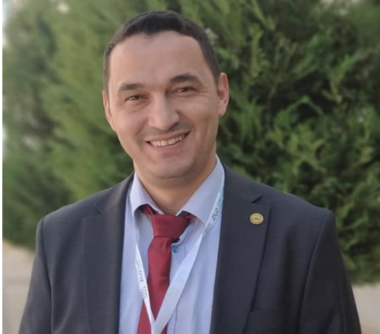
SESSION 4 SPEAKER
Dr. Abdel Qawasmeh
Hebron University
PALESTINE
“Effects of Storage Conditions and Time on the Total Phenol Content, Antioxidant Activity and Secondary Metabolites in the Leaves of Some Grapevine Varieties”
BIOGRAPHY
Short Biography: Dr Qawasmeh Abdel Qader
Dr. Qawasmeh Abdel Qader is a highly regarded academic and researcher in the field of pharmacy. He holds a Bachelor's degree in Pharmacy, a Master's degree from the University of Sydney, and a Ph.D. from Charles Sturt University. Currently, Dr. Qawasmeh serves as the Postgraduate Coordinator at Hebron University, where he oversees the coordination and development of postgraduate programs in the Faculty of Pharmacy. His research interests are centered on herbal medicine, with numerous publications in prestigious international journals, highlighting the therapeutic potential of plant-based treatments. Dr. Qawasmeh's academic expertise, research contributions, and leadership have made a significant impact on the field of pharmacy both in Palestine and internationally.
Dr. Qawasmeh Abdel Qader
PG-Coordination, Collage of Pharmacy and Medical Sciences
Hebron University, Hebron, Palestine
← Back to Speaker CV
Effects of storage conditions and time on the total phenol content, antioxidant activity and secondary metabolites in the leaves of some grapevine varieties
Maryam Sbieh1, Rezq Basheer-Slaimia2, Hanadi Sinokrot3, Duha Hashlamon3, Seema Fallah3, Abdel Qawasmeh3
1Collage of Graduate Studies, Hebron University, Hebron Palestine 2Collage of Agriculture, Hebron University, Hebron, Palestine 3Collage of Pharmacy and Medical Sciences, Hebron University, Hebron, Palestine
Abstract Vitis vinifera L. (grape) leaves are rich in phytochemicals, particularly phenolic acids, flavonoids, flavanones, and anthocyanins. These bioactive compounds are associated with several pharmacological properties, including antioxidant, anticancer, and antimicrobial activities. This study aimed to determine the effect of different storage conditions—freezing and canning, including preservation in brine water and salted oil—for periods of 3 and 6 months on total phenolic content (TPC), antioxidant activity, and the phytochemical composition of three V. vinifera varieties (Batuni, Halawani, and Zeni). The total phenolic content (TPC) of fresh leaves varied among the three V. vinifera varieties, with Batuni showing the highest TPC (547.44 ± 13.82 mg GAE g⁻¹ DW), followed by Zeni and Halawani 499.67 ± 44.61 and 450.78 ± 47.24 mg GAE g⁻¹ DW, respectively. Storage conditions affected TPC variably. Batuni leaves TPC was highest after three months in salted oil (534.11 ± 117.88 mg GAE g⁻¹ DW) and after six months in brine water (535.22 ± 82.22 mg GAE g⁻¹ DW). Halawani leaves showed the highest TPC after three months in brine water (434.11 ± 44.43 mg GAE g⁻¹ DW) and after six months in salted oil (685.78 ± 63.95 mg GAE g⁻¹ DW). In Zeni leaves, TPC was highest after three months in brine water (477.44 ± 66.22 mg GAE g⁻¹ DW) and after six months in salted oil (406.89 ± 22.16 mg GAE g⁻¹ DW). The antioxidant scavenging activity of grapevine fresh leaves, evaluated using DPPH● and ABTS●+ assays, showed that Batuni leaves had the highest DPPH● (86.69 ± 1.56%) and ABTS●+ (93.28 ± 0.75%) scavenging activities followed by Zeni and Halawani leaves. The effect of storage conditions on antioxidant capacities varied depending on the leaves variety and storage duration. In Batuni leaves, freezing maintained the highest activity after three and six months, with DPPH● scavenging at (70.88 ± 0.66%) and (81.90 ± 5.89%) and ABTS●+ at (86.04 ± 0.37%) and (95.83 ± 1.6%), respectively. For Halawani leaves, freezing gave the highest activity at three months DPPH● (28.10 ± 2.11%; ABTS●+( 81.83 ± 1.27%), whereas after six months, the salted oil method was superior DPPH● (83.92 ± 1.82%); ABTS●+ (98.30 ± 0.2%). In Zeni leaves, brine water preservation resulted in the highest activity at three months DPPH● (68.86 ± 2.15%); ABTS●+ (82.01 ± 1.64%), while after six months, both freezing and salted oil maintained high antioxidant activity. HPLC analysis of ethanolic extracts V. vinifera leaves revealed that Batuni leaves contained the richest variety of phytochemicals, with eight major compounds identified, followed by Halawani and Zeni leaves, each with five compounds. The effect of storage conditions and period on these compounds varied across varieties; some compounds disappeared, others declined in concentration, while certain compounds showed an increase over the storage period. In conclusion, these findings indicated that no single storage method is universally optimal; rather, the effectiveness depends on the grapevine variety and the intended storage duration.
Keywords — Vitis vinifera L, antioxidant activity, storage, grapevine, Batuni, Halawani, Zeni
← Back to Session 4

SESSION 4 SPEAKER
Dr. Anca Miron
Popa University of Medicine and Pharmacy
ROMANIA
“Unlocking the Health Potential and Novel Bioactivities of Dietary and Medicinal Plants”
BIOGRAPHY
Prof. dr. Anca Miron
Prof. dr. Anca Miron got her PhD degree in Pharmaceutical Sciences from Grigore T. Popa University of Medicine and Pharmacy Iasi, Romania in 1998. In 2008 she became professor in the Department of Pharmacognosy-Phytotherapy, Faculty of Pharmacy, same university. Prof. dr. Anca Miron's main areas of interest are plant polyphenols and volatiles. Her major research activities include isolation, chemical characterization and biological evaluation of plant extractives/constituents with antioxidant, antigenotoxic, antibacterial and antitumor effects. A new direction in her research focuses on plant-based green synthesis of bioactive silver nanoparticles. Prof. dr. Anca Miron has published over 80 peer-reviewed articles in international journals and has co-authored seven books and eight book chapters. She was principal investigator in several national and international research grants and co-author of four national patents. Prof. dr. Anca Miron received several national awards such as Servier Young Investigator Award (1998), Award for Pharmaceutical Research Activity (2002) and Award for Excellence in Pharmaceutical Research (2014). Currently, prof. dr. Anca Miron heads the Department of Pharmacognosy-Phytotherapy, Faculty of Pharmacy, Grigore T. Popa University of Medicine and Pharmacy Iasi, Romania.
← Back to Speaker CV
Unlocking the Health Potential and Novel Bioactivities of Dietary and Medicinal Plants
Anca Miron*
Grigore T. Popa University of Medicine and Pharmacy Iasi, Department of Pharmacognosy-Phytotherapy, Iasi, Romania
Plants used in human nutrition and medicine represent a rich and still underexplored reservoir of bioactive compounds relevant to disease prevention and treatment. Re-exploring dietary and medicinal plants represents a valuable approach for the discovery and characterization of novel therapeutic potential. For instance, Morus alba (white mulberry) leaves represent an important source of structurally diverse metabolites, including prenylated flavonoids. Extracts of white mulberry leaves, as well as isolated prenylflavonoids such as morusin and kuwanon G, have demonstrated synergy with various antibiotics against pathogenic bacteria, including MRSA, as well as the ability to reverse antimicrobial resistance. Our assays revealed similar effects for coriander and ajwain essential oils, as well as for the pure phytochemicals linalool, thymol, xanthohumol, and 8-prenylnaringenin. Cornus mas (Cornelian cherry), Sorbus aucuparia (rowanberry), and Viburnum opulus (European cranberrybush, guelder rose) are plants with well-known nutritional value. Among them, the fruit extract of Viburnum opulus showed significant biological effects in studies of vascular reactivity, arginase inhibition, and platelet aggregation. Apart from other Crataegus species, Crataegus pentagyna (small-flowered black hawthorn) remains underexplored with regard to its cardiovascular benefits. Our studies have revealed a positive impact on NO production, along with a reduction in ROS level and angiogenesis in human endothelial cells, as well as vasorelaxant, anti-platelet, and anti-arginase activities. Our recent studies have identified the hulls of Fagopyrum esculentum (buckwheat) as a noteworthy source of bioactive compounds, making this food waste a valuable product for the synthesis of functionalized silver nanoparticles with activity against human melanoma.
Keywords — white mulberry; hawthorn; synergy with antibiotics; vasorelaxant activity; anti-angiogenic activity
← Back to Session 4

SESSION 4 SPEAKER
Dr. Ardiansyah
Universitas Bakrie
INDONESIA
“Physicochemical and Sensory Properties of Katuk Leaves (Sauropus androgynus)”
BIOGRAPHY
Ardiansyah is a Professor in the Department of Food Science and Technology at the Faculty of Engineering and Computer Sciences, Universitas Bakrie, Jakarta, Indonesia. He obtained his PhD from 2004 to 2007 and subsequently pursued postdoctoral research fellow in the Laboratory of Nutrition at the Graduate School of Agricultural Science, Tohoku University, from 2007 to 2012. His current research focuses on functional foods, particularly the functional properties of rice bran and its derivatives, as well as Indonesian local vegetables for the development of functional beverages. Ardiansyah began his academic career as an Assistant Professor at Universitas Bakrie in 2012. He served as Head of the Food Science and Technology Department from 2012 to 2020 and is currently the Head of the Community Service Institution at Universitas Bakrie. Additionally, he holds leadership roles in professional organizations, including Chair of the Indonesian Society for Functional Food and Nutraceutical (ISFFN, P3FNI) since 2023 and Secretary General of the Indonesian Association of Food Technologists (IAFT, PATPI) since 2018 up to now.
← Back to Speaker CV
Physicochemical and Sensory properties of Katuk leaves (Sauropus androgynus) Ardiansyah Department of Food Science and Technology, Universitas Bakrie, Jakarta, Indonesia
Katuk (Sauropus androgynus) is a plant indigenous to Indonesia. Its leaves are frequently consumed, either raw or as cooked vegetables. The heat applied during cooking can alter the leaves' physicochemical properties and sensory characteristics. This study aimed to determine the volatile, non-volatile compounds, and sensory profiles of Katuk leaves after domestic heating methods (steaming and boiling). Volatile compounds were analyzed using the headspace-solid phase microextraction method, followed by identification through GC-MS. Non-volatile compounds were examined using UPLC-MS/MS with electrospray ionization in positive ion mode. Sensory profile analysis was conducted using the free choice profiling method with 22 untrained panellists. The analysis identified 16 volatile compounds in Katuk leaves, categorized into 7 groups: aldehydes, alcohols, ketones, benzenes, terpenoids and esters. Additionally, 40 non-volatile compounds were detected, falling into groups: secondary metabolites, lipids, amino acids, peptides, vitamins, carbohydrates, and nucleotides. Furthermore, fresh Katuk leaves exhibited a grassy and earthy aroma, while boiled samples were smooth and juicy texture. Steamed Katuk leaves, on the other hand, were described as moist, tender, and relatively tasteless. In summary, domestic cooking methods can alter the composition of both volatile and non-volatile compounds, consequently influencing the sensory profiles.
Keywords — domestic cooking, katuk leaves, sensory profile, non-volatile compounds, volatile compounds
← Back to Session 4

SESSION 4 SPEAKER
Dr. Debasis Bagchi
Adelphi University
USA
“Fenfuro®, a Novel Fenugreek Seed Extract, Arrests Amyloid Formation in Methyl Glyoxal Adducts of BSA and HSA to Different Extents Owing to Their Differential Aggregation Propensities”
BIOGRAPHY
Debasis Bagchi, PhD, MACN, CNS, FRSM, CFFS, FISNFF, MAIChE
Debasis Bagchi, PhD, MACN, FRSM, CNS, FISNFF, CFFS, MAIChE, received his Ph.D. in Medicinal Chemistry in 1982. He is the Director of Innovation & Clinical Affairs, Dr. Herbs LLC, Concord, CA; an Adjunct Professor in the College of Pharmacy & Health Sciences, Texas Southern University, Houston, TX; an Adjunct Faculty in the Department of Biology, Adelphi University, Garden City, NY, and the Course Director of Neurotoxicology (BIO 585); an Adjunct Faculty in the Department of Psychology, Gordon F. Derner School of Psychology, Adelphi University, Garden City, NY, and the Course Co-Director of Integrative Neuroscience Seminar (PIA395-001). Dr. Bagchi is the ex-Professor in the Department of Pharmacological and Pharmaceutical Sciences at the University of Houston College of Pharmacy, Houston, TX. He served as the Chief Scientific Officer at Cepham Inc, Belmont, NJ, from June 2013, till Dec 2018, and as the Director of Scientific Affairs, VNI Inc., Bonita Springs, FL, from Jan 2019 to Jan 2023. He served as the Senior Vice President of Research & Development of InterHealth Nutraceuticals Inc, Benicia, CA, from 1998 till Feb 2011; Director of Innovation and Clinical Affairs, of Iovate Health Sciences, Oakville, ON, till June 2013.
Dr. Bagchi received the Master of American College of Nutrition Award in October 2010; became a Fellow of ISNFF in 2021 and awarded a Fellow of Royal Society of Medicine (FRSM) in 2022.
← Back to Speaker CV
Fenfuro®, a novel Fenugreek seed extract, arrests amyloid formation in Methyl Glyoxal adducts of BSA and HSA to different extents owing to their differential aggregation propensities.
Sreemoyee Saha1,2, Samudra, P. Banik3, and Debasis Bagchi4,5
1Dept. of Microbiology, Maulana Azad College, Kolkata 700013, India; 2Dept. of Biochemistry, University of Calcutta, India; 3Department of Microbiology, Government General Degree College, Narayangarh, Rathipur, West Bengal, India
4Dept of Biology, College of Arts and Sciences, and Dept of Psychology, Gordon F. Derner School of Psychology, Adelphi University, Garden City, NY, USA; 5Department of Pharmaceutical Sciences, College of Pharmacy and Health Sciences, Texas Southern University, Houston, TX, USA *Corresponding and Presenting author: Debasis Bagchi, PhD, MACN, CNS, FRSM, CFFS, FISNFF, MAIChE.
Abstract Background: Glycation of serum albumins, frequently occurring in a hyperglycemic physiological milieu, is a spontaneous irreversible process which results in non-native aggregation, amyloid formation and subsequent cytotoxicity. Fenugreek seed extract is a proven phytotherapeutic which arrests hyperglycemia and improves glycemic control by increasing both carbohydrate absorption and insulin sensitivity. Objectives: The present study investigated the effect of a standardized fenugreek seed extract in arresting Methyl Glyoxal (MGO) induced glycation and subsequent amyloid formation in Bovine and Human Serum Albumins (BSA and HSA). Parallelly, the studies also explored the differential structural changes inflicted by MGO on these two serum albumins. Methods: BSA and HSA (200–300 μM) were glycated with 50 mM MGO at 37°C in presence and absence of a 5 mg/ml 30% (v/v) ethanolic extract of fenugreek seed. Progression of glycation was monitored with Advanced Glycation End product (AGE) fluorescence and amyloidogenic transformation was assessed by Thio-T fluorescence. Glycation and amyloid arresting potential of fenugreek seed extract was ascertained by determining percent inhibition of AGE formation and Thio-T binding. Aggregation of the glycated adducts was assessed with Dynamic Light Scattering (DLS), Transmission Electron Microscopy (TEM), Native PAGE and fluorescence Anisotropy of protein-FITC conjugates. Further structural insights were also obtained using Intrinsic Tryptophan Fluorescence, ANS binding and investigation of CD spectra. Results: AGE fluorescence of BSA was measured till 13 days for BSA and till 10th day for HSA beyond which their structures collapsed significantly. Subsequent amyloid formation was highest on the 5th day for BSA and 4th day for HSA indicating that amyloidogenic potential didn’t coincide completely with AGE formation for both the proteins. Inclusion of fenugreek seed extract was found to arrest AGE fluorescence of both BSA and HSA by close to 85% throughout the entire period of glycation. However, the extent of protection against Thio-T binding was markedly different being 48% and 88% respectively for BSA and HSA. Corresponding structural investigations utilizing DLS, TEM, Native PAGE and anisotropy revealed that glycation induced aggregation of MGO-adducts of BSA were much more enhanced and stronger as compared with those formed in case of HSA. Intrinsic tryptophan fluorescence also suggested differential structural modulation by virtue of glycation. HSA’s lone tryptophan emission underwent both hypochromic and bathochromic shift which suggested glycation induced denaturation of the protein with exposure of the internal tryptophan to the solvent accessible surface of the protein. However, in case of BSA, fluorescence intensity was reduced significantly without any appreciable peak shift which might be attributable to loss of fluorescence due to enhanced aggregation. ANS fluorescence went down with an increasing period of glycation for both the proteins which suggested that glycation induced aggregation was distinctly different from thermal aggregation since the latter resulted in increase of fluorescence intensity along with increased time of incubation as a result of denaturation induced exposure of hydrophobic interface. Conclusion: The results cumulatively suggested that the higher protection offered by fenugreek seed extract to HSA against its amyloidogenic transformation was probably attributable to its less strong aggregation (as compared to BSA). The data provided significant insights to understand diabetes associated cognitive ailments.
Keywords — Advanced Glycation End products, Methyl Glyoxal, BSA, HSA, aggregation, amyloid formation.
← Back to Session 4

SESSION 4 SPEAKER
Dr. Eniola Oni
Chung Shan Medical University
TAIWAN
“From Food Safety to Health Equity: Low-Cost Strategies for Reducing Aflatoxin Exposure in African Maize Using Activated Charcoal and Neem Leaf (Azadiracta indica)”
BIOGRAPHY
Biography not provided by speaker.
← Back to Speaker CV
From Food Safety to Health Equity: Low-Cost Strategies for Reducing Aflatoxin Exposure in African Maize Using Activated Charcoal and Neem Leaf (Azadiracta indica)
Dr. Eniola Oni
Chung Shan Medical University, Taiwan
Full abstract text was not available in the submitted materials. Please refer to the talk title above, or contact the speaker directly.
← Back to Session 4

SESSION 4 SPEAKER
Dr. Kunle Oni
Federal University Oye- Ekiti
NIGERIA
“Physical, Texture, Engineering and Sensory Properties Oh Enriched Bread From Soy-Cheese, Pineapple Rind and White Blends”
BIOGRAPHY
Dr. Kunle Oni, is an Associate Professor of Food Process Engineering in the Department of Food Science and Technology, Faculty of Agriculture, Federal University Oye-Ekiti, Ekiti State Nigeria. Dr. Kunle Oni is a distinguished scholar with a Doctor of Philosophy in Food Engineering from University of Nigeria, Nsukka. He obtained MSc (FST), MBA (Mgt) and BSc (FST) from Federal University of Agriculture, Makurdi Nigeria. Dr. Kunle Oni has authored several publications in both local and international journals. His publications reflect his research interests in food processing/waste utilization and process engineering.Dr. Kunle Oni has played leadership roles as Head of Department for five (5) consecutive years. He also served as member of many committees including FUOYE Governing Council Reconciliation and Peace Committee, FUOYE Scheme of Service Review Committee, Directorate of the Agriculture Faculty IGR/Wealth Creation Committee, and Chairman, Department. of Food Science and Technology Oral Examination. Dr. Kunle Oni is a member of: (i) Nigerian Institute of Food Science and Technology. (ii) International Society of Comparative Education, Science and Technology. He is currently in charge of ongoing scholarly project: Conversion and utilization of crop residues and agro-industrial by-products wastes as livestock feed, substrates and bio-fuel for generating other value-added products which are bio-degradable and cheap.
← Back to Speaker CV
Physical, Texture, Engineering and Sensory Properties oh Enriched Bread from Soy-Cheese, Pineapple Rind and White Blends
Kunle Oni1*, John Akinmolayan1, Temilade Akinloku-Ojo1, Temitope Omolayo Fasuan2, Folake Idowu-Adebayo3
1Department of Food Science and Technology, Federal University Oye-Ekiti, Nigeria. 2Federal College of Animal Health and Production Technology, Ibadan, Nigeria. 3Enleo Solutions, Ede, Gelderland, The Netherlands. *Corresponding Author Email: kunle.oni@fuoye.edu.ng Abstract Pineapple rind is an agro-waste of paramount value, It aids digestion and also been linked to the reduction of intestinal parasites, constipation, and irritable bowel syndrome (IBS) symptoms. The rind includes high levels of nutritional fiber, vitamins, antioxidants, and enzymes, making it an excellent addition to a variety of foods. Hence, the potential of pineapple rind as a great source of nutrients in the composite flours made from wheat and soy-cheese for bread production were investigated. Samples were prepared using a blend of wheat flour, soy-cheese flour, and pineapple rind flour in the following ratios: 91:5:4, 82:10:8, 73:15:12, and 64:20:16 while 100% wheat flour served as control. Physical, texture, engineering properties of the flour blends and sensory acceptability of the bread were evaluated. The bread density ranged from 0.333 to 0.374 g/ml. The bread density increased with increased proportion of soy-cheese with 0.345 g/ml in the 91% wheat+5% soy-cheese+ 4% pineapple rind blend and 0.374 g/ml in the 64% wheat+20% soycheese+ 16% pineapple rind blend. Baking loss ranged from 3.28% to 6.03%. Baking loss decreased with increased substitution of wheat flour with soy-cheese and pineapple rind. The bread with the highest substitution (64% wheat) exhibited highest baking loss (3.28%); while 6.03% was obtained for 100% wheat bread. The bread weight ranged between 128.77 g and 137.63 g. The highest weight was recorded for wheat substitution at 64% while least weight was obtained for 100% wheat bread. Loaf volume ranged between 368.19 ml and 380.27 ml. There was no crack recorded for the bread irrespective of the level of substitution. The total starch content ranged between 37.88% and 70.11%. The starch content of the loaf decreased with increased wheat substituion. The inclusion of soy-cheese and pineapple rind caused a decrease in adhesiveness and springiness of the bread whereas, cohesiveness increased with higher substitution of wheat flour. Furthermore, the substitution of soy-cheese and pineapple rind at higher level caused reduction in specific volume of the bread. Conversely, an increase in bread hardness and dough density was obtained at higher substitution of wheat flour. For the sensory characteristics of the bread, the Taste ranged from 8.45 – 6.20, colour (7 – 7.88), texture (6.75 - 7.75), and general acceptability (6.60 – 8.65). There was no significant difference (p>0.05) in taste, colour and texture of loaf up to 18% substitution. All the bread samples scored above 6.0 on 9-point hedonic scale, which was an indication of high acceptability of the formulated enriched bread. However, addition of soy-cheese and pineapple rind decreased the sensory scores progressively. The fortification enhanced the bread’s density, weight and reduced baking loss, which could be of economic advantage in term of net weight.
Keywords — Engineering properties, Sensory Properties, Bread, Soy cheese, and Pineapple rind
Room 5Functional Foods and Nutraceuticals
← Back to Index
Functional Foods and Nutraceuticals
Dr. Kenji Sato, Mr. Hyeonseo Jo (Ph. D Student)
TimeSpeakerTitle
點擊任一列,即可查看該講者完整 CV 與摘要 · Click any row to view the speaker's full CV and abstract
← Back to Session 5
SESSION 5 SPEAKER
Dr. Kenji Sato
Kyoto University
JAPAN
“Highly Bioavailable Modified Peptides in East Asian Fermented Seasonings as Dual Immunomodulators: A Potential Molecular Basis for Low Inflammatory Disease Burden in East Asia”
BIOGRAPHY
Biography not provided by speaker.
← Back to Speaker CV
Highly Bioavailable Modified Peptides in East Asian Fermented Seasonings as Dual Immunomodulators: A Potential Molecular Basis for Low Inflammatory Disease Burden in East Asia
Kenji Sato1,2, Ann Elaine D.S. Wagan1, and Tomoko T. Asai1
1Division of Applied Biosciences, Graduate School of Agriculture, Kyoto University 2R&D Department, Pharma Foods International Co. Ltd.
Abstract East Asian populations have historically consumed fermented seasonings such as soy paste (miso), soy sauce (shoyu), and fish sauce, yet the molecular basis of their health benefits remains unclear. In this study, we focused on modified short-chain peptides—2,5-diketopiperazines (DKPs), β-aspartyl peptides, γ-glutamyl peptides, and pyroglutamyl peptides—that are abundant in these fermented foods. Comprehensive LC-MS/MS analysis identified more than 90 peptides in these seasonings, with modified peptides predominating. Oral administration studies in rodent models revealed that, unlike normal linear peptides, modified peptides exhibited remarkably high bioavailability, reaching 10–400 nM in plasma, with some DKPs exceeding 1 µM. Functionally, DKPs enhanced macrophage phagocytosis under basal conditions while suppressing LPS-induced NO and IL-6 production—demonstrating a dual immunomodulatory effect. Importantly, these immunomodulatory effects were observed at concentrations comparable to those detected in blood after ingestion of these fermented foods. These actions were partially inhibited by a CaSR antagonist, suggesting involvement of the calcium-sensing receptor (CaSR). In addition, certain pyroglutamyl peptides enhanced host antimicrobial peptide secretion in the gut, and β-aspartyl peptides exhibited angiotensin-converting enzyme inhibitory activity. These findings indicate that modified peptides naturally enriched in East Asian fermented seasonings may contribute to a unique immune profile characterized by enhanced innate defense and restrained inflammatory responses. This provides a novel molecular hypothesis for the lower prevalence of inflammatory diseases and stronger infection resilience observed in East Asian populations.
Keywords — Fermented seasoning, Modified peptides, 2,5-diketopiperazines, β-aspartyl peptides, γ-glutamyl peptides, and pyroglutamyl peptides.
← Back to Session 5
SESSION 5 SPEAKER
Dr. Petras Rimantas Venskutonis
Kaunas University of Technology
LITHUANIA
“High Nutritional Value Lipids From Small Fruit Processing by-Products for Functional Foods and Nutraceuticals”
BIOGRAPHY
Biography not provided by speaker.
Dr. Petras Rimantas VenskutonisS 5-2 ·
Session 5
← Back to Speaker CV
HIGH NUTRITIONAL VALUE LIPIDS FROM SMALL FRUIT PROCESSING BY-PRODUCTS FOR FUNCTIONAL FOODS AND NUTRACEUTICALS
Petras Rimantas Venskutonis
Department of Food Science and Technology, Kaunas University of Technology, Kaunas, Lithuania
rimas.vebnskutonis@ktu.lt Large quantities of fruit-processing by-products are generated globally every year. There is an urgent need to develop efficient processes to valorize such by-products into higher-added-value ingredients. Pressing juice from small fruits (berries) generates large amounts of pomace (approx. 30% of the total fruit dry mass), which consists of valuable health-beneficial substances, including lipophilic and hydrophilic bioactive compounds and dietary fiber [1, 2]. This study developed efficient methods for recovering the lipophilic fraction from various small-fruit pomaces, namely raspberry, black currant, chokeberry, bilberry, sea-buckthorn, guelder-rose berry, cranberry, lingonberry, blackberry, strawberry, sour cherry, elderberry, and rowanberry. Supercritical fluid extraction using pure CO2, with the addition of the co-solvent ethanol, was used as a green extraction method for this purpose. Firstly, the main extraction parameters, including pressure, temperature, time, and particle size, were optimized to maximize the recovery of lipophilic substances. Afterward, the possibilities of fractionation of lipids in the extraction system separators were investigated by changing the thermodynamic solubility of different recovered compounds at various temperatures, from -30 to 10 C. Extraction and fractionation were performed from the whole dried pomace and mechanically separated fractions, seeds, and skins with pulp residues. Fatty acids, triacylglycerols, tocopherols, phytosterols, and carotenoids were analyzed by liquid chromatography with various detection and quantification systems. Under optimal conditions, extract yields from whole pomace ranged from 3% (chokeberry) to 20% (raspberry), while the separated seed fraction yielded up to 26%. The oils consisted mainly of polyunsaturated fatty acids, particularly linoleic and α-linolenic, and were rich in lipophilic bioactive microconstituents such as tocopherols, phytosterols, and carotenoids. Black currant pomace oil was also rich in g-linolenic acid, while sea-buckthorn skin and pulp oils contained a large percentage of palmitoleic acid (omega-7). Fractionation of lipophilic substances in the separators enabled the obtaining of fractions with 2-10 times higher concentrations of bioactive compounds, which may find application in functional foods and nutraceuticals. It may be concluded that green extraction/fractionation processes are promising methods for producing healthy ingredients from fruit waste.
Keywords — Fruit pressing, extraction, fractionation, liquid chromatography, helath benefit pomace, berries.
← Back to Session 5

SESSION 5 SPEAKER
Dr. Christofora Hanny Wijaya
IBP University
INDONESIA
“Plant-Derived Extracellular Vesicles of Citrus sp. as Precision Functional Foods Ingredients”
BIOGRAPHY
Biography not provided by speaker.
Dr. Christofora Hanny WijayaS 5-3 ·
Session 5
← Back to Speaker CV
Plant-Derived Extracellular Vesicles of Citrus sp. as Precision Functional Foods Ingredients
Christofora Hanny Wijaya1, Mega Safithri1, Yuliana Maria Diah Ratnadewi1, Widowati Siswomihardjo2 and Anggraini Barlian3
1Department of Food Science and Technology, IPB University, Indonesia 2Bandung Institute of Technology, Indonesia 3Gajah Mada University, Indonesia
Abstract There is a growing interest to enhance the health benefits of foods by adding plant-based bioactive compounds. The bioactive compounds can improve human health performance by regulate human health levels in preventing and treating chronic diseases. It has been well investigated that the uptake of the bioactive molecules in the form of extracellular vesicles (Ev) can enhance the functional bioactivity into targeted cell. Indonesia is rich of citrus species. The variety and part of plant are affecting the physicochemical properties of plant derived extracellular vesicles. In this work, the extracellular vesicles from various citrus family were characterized, including “Jeruk keprok” (Citrus reticulata), “jeruk nipis” (Citrus aurantifolia), “jeruk Medan” (Citrus sinensis (L.) Osbeck), “jeruk pomelo” (Citrus maxima (Burm.) Merr.), “jeruk lemon lokal” (Citrus lemon (L.) Osbeck) dan “jeruk purut” (Citrus hystrix) have been selected for further investigation since each of them having different phytochemical profiles, particularly the composition of flavonoid and phenolic compounds. The plant derived extracellular vesicles has been measured for their capability to inhibit the stress oxidative through cellular model assessments. Moreover, the Ev of jeruk keprok’ (Citrus reticulata) peels, has been particularly investigate for the anti-atherosclerosis and anti-inflammation capacities.
Keywords — Functional foods, Plant derived extracellular vesicles, Precision functional ingredients, Citrus sp., Oxidative stress inhibitor
← Back to Session 5

SESSION 5 SPEAKER
Dr. Sirichai Adisakwattana
Chulalongkorn University
THAILAND
“A Functional Egg White Rice-Shaped Analogue: From Product Development and Sensory Evaluation to Clinical Evidence in Appetite and Weight Management”
BIOGRAPHY
Professor Sirichai Adisakwattana
Department of Nutrition and Dietetics
Faculty of Allied Health Sciences
Chulalongkorn University
Bangkok, Thailand
E-mail Sirichai.a@chula.ac.th
Professor Dr. Sirichai Adisakwattana is a Professor of Nutrition and Dietetics at the Faculty of Allied Health Sciences, Chulalongkorn University, Thailand. He holds a Ph.D. in Pharmacology and a B.Sc. in Chemistry from Chulalongkorn University.
His research focuses on bioactive phytochemicals from edible plants and their applications in clinical nutrition, functional foods, and metabolic health.
He has published over 125 scientific articles with more than 5,300 citations and has received several prestigious awards, including the National Research Council of Thailand Senior Research Scholar Award and recognition among the world’s top 2% scientists by Stanford University.
He currently leads the Center of Excellence in Phytochemical and Functional Food for Clinical Nutrition and actively contributes to the advancement of evidence-based nutrition.
← Back to Speaker CV
A Functional Egg White Rice-Shaped Analogue: From Product Development and Sensory Evaluation to Clinical Evidence in Appetite and Weight Management
Nitchakan Chaiprukmalakan, Waralee Joymak, Siriyakorn Chantieng, Mutthatinee Tangmongkhonsuk, Charoonsri Chusak, Praew Chantarasinlapin, Tanyawan Suantawee, Sathaporn Ngamukote, and Sirichai Adisakwattana*
Center of Excellence in Phytochemical and Functional Food for Clinical Nutrition Department of Nutrition and Dietetics, Faculty of Allied Health Sciences, Chulalongkorn University, Bangkok, 10330, Thailand
Abstract This study aimed to develop and evaluate an egg white rice-shaped analogue (EWR) as a functional staple food for weight management, integrating product development, sensory acceptability under practical cooking conditions, and clinical efficacy in both acute and long-term settings. The product was successfully scaled up from laboratory to industrial production, maintaining structural integrity after retort sterilization and demonstrating good shelf stability. Sensory evaluation across common cooking methods showed high consumer acceptability, particularly in terms of texture, softness, and overall liking, supporting its feasibility as a culturally compatible rice substitute. Acute metabolic effects were assessed in a randomized, controlled, three-way crossover trial in 21 healthy men. Compared with alginate rice (AR) and white rice (WR), EWR significantly enhanced satiety hormone responses, including glucagon-like peptide-1 (GLP-1) and peptide YY (PYY), attenuated postprandial glucose excursions, and improved antioxidant status. These physiological effects were accompanied by a reduction in energy intake at the subsequent meal by approximately 15–18%. Long-term clinical efficacy was further evaluated in an 8-week intervention in individuals with overweight and obesity. Replacing dietary carbohydrates with EWR resulted in significant reductions in body weight, body mass index, fat mass, and waist–hip circumference. Improvements in metabolic biomarkers, including triglycerides and total cholesterol, were also observed, along with reduced daily energy intake and enhanced quality of life. In conclusion, EWR represents a scalable and consumer-acceptable functional food innovation that bridges product development and clinical application. Its ability to enhance satiety, reduce energy intake, and improve metabolic outcomes highlights its potential as a practical dietary strategy for weight management and obesity prevention. Key words: Egg white rice analogue; Rice-shaped functional food; Satiety hormones; Postprandial metabolism; Weight management
← Back to Session 5

SESSION 5 SPEAKER
Kuncoro Harto Widoto
Universitas Gadjah Mada
INDONESIA
“The Role of Meal Palatability and Menu Variety in Reducing Food Waste in Hospital Food Services”
BIOGRAPHY
Biography not provided by speaker.
← Back to Speaker CV
The Role of Meal Palatability and Menu Variety in Reducing Food Waste in Hospital Food Services
Kuncoro Harto Widoto
Universitas Gadjah Mada, Indonesia
Full abstract text was not available in the submitted materials. Please refer to the talk title above, or contact the speaker directly.
← Back to Session 5
SESSION 5 SPEAKER
Dr. Kwang-Geun Lee
Dongguk University
KOREA
“Physicochemical and Sensory Enhancement of Robusta Coffee Through Ultrasound-Assisted Extraction and Lemon Pomace Impregnation”
BIOGRAPHY
Kwang-Geun (James) Lee is a professor of Food Chemistry in Dongguk University, Korea and has a broad experience in the field of food toxicant analysis. He received his degrees in the area of food science and technology from Seoul National University (B.S. and M.S.) and University of California, Davis (Ph.D.). At Dongguk University his teaching and research is concerned with development of analytical method for various food toxicants such as furan, ethyl carbamate and mycotoxins and their reduction in food model systems. He has published 6 books and 200 refereed papers. Currently he serves as Associate Editor of the ‘ACS Food Science and Technology’ journal. He served as the Dean of Dongguk University’s College of Biological Science for 2 years (2017-2019).
← Back to Speaker CV
Physicochemical and Sensory Enhancement of Robusta Coffee through Ultrasound-Assisted Extraction and Lemon Pomace Impregnation
Kwang-Geun Lee
Department of Food Science and Biotechnology, Dongguk University, Seoul, Korea.
Abstract This study investigated the synergistic effects of ultrasound-assisted soaking (UAS) and vacuum impregnation (VI) using lemon pomace extracts (LPE) on the physicochemical, sensory, and safety profiles of Robusta and decaffeinated coffee. Results showed that UAS significantly promoted the penetration of bioactive precursors (D-xylose, L-leucine, and organic acids from LPE) into green beans, facilitating the formation of flavor-active Maillard compounds. Specifically, ultrasound-assisted extraction enhanced the release of volatiles, increasing total abundance while reducing pH, droplet size, and viscosity (p < 0.05). Notably, LPE treatment via VI successfully introduced terpenes—typically characteristic of Arabica—into Robusta coffee, significantly improving flavor balance and sensory quality as confirmed by electronic tongue analysis, which showed enhanced sweetness and sourness. Furthermore, the combined treatment increased total phenolic and flavonoid contents while effectively mitigating the formation of potentially harmful Maillard intermediates, such as alpha-dicarbonyl compounds and furans. These findings demonstrate that integrating ultrasound and vacuum-assisted LPE impregnation is a highly effective strategy for enhancing the functional and sensory attributes of coffee while ensuring chemical safety.
Keywords — Robusta Coffee, Ultrasound-Assisted Extraction, lemon pomace, vacuum impregnation.
Room 6Brain Health and Nutrition
← Back to Index
Brain Health and Nutrition
Dr. Gow-Chin Yen, Ms. Ann Elaine Wagan (Ph.D student)
TimeSpeakerTitle
點擊任一列,即可查看該講者完整 CV 與摘要 · Click any row to view the speaker's full CV and abstract
← Back to Session 6

SESSION 6 SPEAKER
Dr. Claudia Cerella
Recherche sur le Cancer et les Maladies du Sang
LUXEMBOURG
“Blood as a Window Into the Brain: Decoding Systemic Immune Reprogramming in Glioblastoma for Non-Invasive Biomarker Discovery”
BIOGRAPHY
Biography not provided by speaker.
← Back to Speaker CV
Blood as a Window into the Brain: Decoding systemic immune reprogramming in Glioblastoma for Non-Invasive Biomarker Discovery
Claudia Cerella (1,2*), Andrea Scafidi (1,3), Tony Kaoma (2), Antonio Cosma (4), Petr V. Nazarov (2), Anna Golebiewska (5), Aurélie Poli (1), Alessandro Michelucci (1*)
(1) Neuro-Immunology Group, Department of Cancer Research, Luxembourg Institute of Health; L-1210 Luxembourg, Luxembourg. (2) Multiomics Data Science Group, Department of Cancer Research, Luxembourg Institute of Health; L-1445 Strassen, Luxembourg. (3) Faculty of Science, Technology and Medicine, University of Luxembourg; L-4365 Esch-sur-Alzette, Luxembourg. (4) National Cytometry Platform, Translational Medicine Operation Hub, Luxembourg Institute of Health; L-4354 Esch-sur-Alzette, Luxembourg. (5) NORLUX Neuro-Oncology Laboratory, Department of Cancer Research, Luxembourg Institute of Health; L-1210 Luxembourg, Luxembourg; *claudia.cerella@lih.lu; alessandro.michelucci@lih.lu Abstract Glioblastoma (GBM) is the most aggressive brain tumor, driven by local and systemic immunosuppression that undermines current treatment regimens and prevents effective immunotherapy. A key barrier to precision medicine in GBM is the lack of non-invasive biomarkers that reflect disease specific immune states. Peripheral blood offers an accessible source. Yet the clinical relevance of the systemic immune landscape of GBM remains overlooked. We profiled peripheral blood mononuclear cells from treatment-naïve GBM patients and healthy donors using an integrated pipeline combining mass cytometry, flow cytometry, and single-cell RNA sequencing. Computational trajectory inference, gene regulatory network analysis, and cell-cell communication modelling were applied to reconstruct the circulating immune landscape and link states to the tumor microenvironment. Our studies identified marked reprogramming of the circulating myeloid compartment, with expansion of myeloid-derived suppressor cells (MDSCs) and heterogeneous modulation of classical monocyte subset frequencies. Trajectory analyses identified a differentiation continuum across subsets, positioning MDSCs as an intermediate state between antigen-presenting and metabolically reprogrammed monocytes. When integrated with public GBM datasets, antigen-presenting monocytes exhibited transcriptional programs consistent with tumor migratory capacity and a macrophage precursor identity. Across subsets, monocytes shared a “GBM-driven signature” characterized by low MHC class II expression, altered cell-cell communication and upregulation of anti-inflammatory mediators, including IL1R2 and CD163. Notably, complementary myeloid expression signatures were identified across patients, indicating distinct systemic immune phenotypes. Lymphoid cells (CD4⁺ T, NK, and CD56⁺ T cells) were reduced in frequency but showed modest transcriptional changes compared with the myeloid compartment. These findings reveal coordinated systemic immune reprogramming in GBM that redirects effective antigen-presenting monocytes toward tumor-supportive infiltration and drives peripheral expansion of primitive immunosuppressive myeloid subsets. By integrating high-dimensional single-cell data with multi-omics analysis in a real-world single-center cohort, this study identifies circulating immune signatures as a framework for patient stratification, therapy monitoring, and personalized restoration of anti-tumor immunity.
Keywords — Glioblastoma, Peripheral immunity, Single-cell sequencing, High-dimensional analysis, Monocyte trajectories, Precision immune-oncology.
← Back to Session 6

SESSION 6 SPEAKER
Dr. K. Emmanuvel Rajan
Bharathidasan University
INDIA
“Molecular and Functional Characterization of Bacopa monniera: A Neuro Behavioural Perspective”
BIOGRAPHY
Biography not provided by speaker.
← Back to Speaker CV
Molecular and functional characterization of Bacopa monniera: A neurobehavioural perspective
Koilmani Emmanuvel Rajan
Behavioural Neuroscience Laboratory, Department of Animal Science, School of Life Sciences, Bharathidasan University, Tiruchirappalli-620024, India.
E-mail address: emmanuvel@bdu.ac.in Abstract: Over the last 50 years, laboratories around the world analyzed the pharmacological effect of Bacopa monniera extract in different dimensions, especially as a nerve tonic and memory enhancer. Studies in animal model evidenced that bacopa treatment can attenuate dementia and enhances memory. Further, they demonstrate that bacopa primarily acts via either anti-oxidant mechanism (i.e. neuroprotection) or alters different neurotransmitters [serotonin (5-hydroxytryptamine, 5-HT), Dopamine (DA), Acetylcholine (ACh), γ - amino butyric acid (GABA)] to execute the pharmacological effect. Among them, 5-HT has been shown to fine tune the neural plasticity, which is a substrate for memory formation. This review focuses on the studies which trace the effect of bacopa treatment on serotonergic system and 5-HT mediated key molecular changes that are associated with memory formation.
Keywords — Bacopa monniera; Learning and memory; Serotonin; MicroRNA; Synaptic Proteins.
← Back to Session 6

SESSION 6 SPEAKER
Dr. Stephanie Yang
Puget Sound Family Health, Tacoma
USA
“From Evidence to Everyday Care: A Whole- Person Approach to Difficulty Focusing and Mental Health”
BIOGRAPHY
Biography not provided by speaker.
← Back to Speaker CV
From Evidence to Everyday Care: A Whole-Person Approach to Difficulty Focusing and Mental Health
Dr. Stephanie (Kai-Tzu) Yang, ND
Puget Sound Family Health, 711 Court A #100, Tacoma, WA 98405. Telemedicine across Washington State Nationwide & international consultations. Email: contact@drstephanieyang.com Abstract Difficulty focusing is a common concern across all ages that can impair work, learning, and quality of life. Research links cognitive performance with sleep, mental health, nutrition and the gut–brain axis, hormonal factors, and environmental exposures. Yet evidence across these areas is often studied—and applied—in isolation, leaving clinicians and patients with no clear way to connect the pieces.This case-based presentation addresses that gap through a whole-person framework that brings together four interconnected domains relevant to cognitive function: nutrition and gut health, hormonal health, mental health, and environmental health. Rather than assuming every patient requires extensive testing or treatment in every area, the framework begins with the patient’s story—using history and symptom patterns to identify potential root causes of cognitive symptoms and guide practical, evidence-informed care. A busy professional presented with difficulty focusing, chronic stress, insomnia, and low appetite. This case focuses on the mental-health pillar and identifies anxiety and sleep disruption as modifiable underlying drivers of her cognitive symptoms, alongside nutrition-related concerns. Targeted evaluation and validated screening clarified the clinical picture and informed an individualized plan integrating practical nutrition support, correction of nutrient insufficiencies, structured stress-regulation strategies, and selected adaptogenic botanical support. Within 8–12 weeks, she reported improved focus and task initiation, along with better mood, sleep, energy, and digestive symptoms. Her GAD-7 score decreased from 17 to 5, and her PHQ-9 score decreased from 11 to 2. This presentation illustrates how research in nutrition, lifestyle medicine, and botanical medicine can be translated into safe, actionable care—helping clinicians move from a complex symptom picture to more connected, patient-centered support for difficulty focusing.
Keywords — difficulty focusing; nutrition; mental health; botanical medicine; whole-person care
← Back to Session 6

SESSION 6 SPEAKER
Dr. Giuseppe Grosso
University of Catania
ITALY
“Feeding the Aging Brain: Role of Nutrition on Cognitive Resilience”
BIOGRAPHY
Biography not provided by speaker.
← Back to Speaker CV
Feeding the aging brain: role of nutrition on cognitive resilience
Giuseppe Grosso
Department of Biomedical and Biotechnological Science, University of Catania, Via S. Sofia 97, 95123 Catania (Italy). Email: giuseppe.grosso@unict.it
Abstract Cognitive decline and dementia represent major global public health challenges, particularly in aging populations. Emerging evidence suggests that nutrition plays a central role in brain health through its influence on inflammation, oxidative stress, metabolic dysfunction, gut microbiota composition, and neurodegenerative processes. Epidemiological studies consistently indicate that adherence to healthy dietary patterns, especially the Mediterranean diet, is associated with reduced risk of cognitive decline, dementia, and Alzheimer’s disease. Experimental and intervention studies further support the potential cognitive benefits of compounds such as anthocyanins, curcumin, flavan-3-ols, and resveratrol. Plant-derived foods rich in vitamins, fiber, and phytochemicals such as (poly)phenols appear to exert neuroprotective effects through antioxidant and anti-inflammatory mechanisms. Specific (poly)phenols have been demonstrated to modulate neuronal signaling, synaptic plasticity, neuroinflammation, and oxidative damage. The presentation also highlights the emerging role of the gut–brain axis, emphasizing how fiber-rich and (poly)phenol-rich foods may influence cognitive health through microbiota-derived metabolites and immune modulation. Although current findings are promising, further long-term studies are needed to clarify causal mechanisms and optimize nutritional strategies for cognitive preservation. Given the increasing burden of cognitive impairment and the absence of effective curative therapies, nutrition-based preventive approaches may represent a sustainable strategy to promote healthy brain aging.
Keywords — Aging brain, Nutrition, Cognitive decline, Gut-brain axis, Diet, Healthy brain aging.
← Back to Session 6
SESSION 6 SPEAKER
Dr. Toshiro Matsui
Kyushu University
JAPAN
“Brain Benefit of Peptides: Bioavailability and Bioactivity”
BIOGRAPHY
Biography not provided by speaker.
← Back to Speaker CV
Brain benefit of peptides: bioavailability and bioactivity
Toshiro Matsui
Division of Bioscience and Bioenvironmental Sciences, Faculty of Agriculture, Graduate School, Kyushu University, Motooka, Nishi-ku, Fukuoka, 819-0395, Japan. E-mail: tmatsui@agr.kyushu-u.ac.jp
Abstract Alzheimer's disease (AD) poses a serious societal concern due to memory impairment and disruptions to daily activities. AD therapeutic drugs, such as acetylcholinesterase inhibitors (e.g., donepezil), N-methyl-D-aspartate receptor antagonists (e.g., memantine), and anti-amyloid beta (Aβ) antibodies (e.g., Lecanemab) have been developed to alleviate symptoms, but they do not offer a cure. The purpose of our study is, thus, is to prevent the progression of AD at the early stage of mild cognitive impairment (MCI) by brain-beneficial foods. Thus far, several peptides to improve impaired cognition have been reported, whereas their bioavailability and mechanisms of action remain unclear, due to the strict regulation of substance transport across the blood-brain barrier (BBB). Using ex vivo brain-perfusion experiments in mice, we identified that the dipeptide Tyr-Pro crosses the BBB and accumulates in the brain parenchyma. Furthermore, Tyr-Pro was found to be orally absorbed into the bloodstream, subsequently undergoing BBB transport. In an acute AD mouse model induced by Aβ injection, Tyr-Pro significantly improved memory impairment, suggesting its potential as an orally effective functional food. We also introduce our findings on: (1) bioavailability of Tyr-Pro in the brain after oral intake, and (2) its mechanism of action on the acetylcholine nervous system and on suppression of Aβ accumulation. We hope our research provides beneficial AD prevention strategy through the intake of brain-beneficial functional foods. References Tanaka M. et al. Sci Rep 9, 5769 (2019). Tanaka M. et al. npj Sci Food 4, 7 (2020). Cheng L. et al. Sci Rep 13, 16908 (2023) Cheng L. et al. J. Agric. Food Chem. 72, 13 (2024).
Keywords — Alzheimer's disease, mild cognitive impairment, brain-beneficial foods, blood-brain barrier, dipeptide Tyr-Pro, acetylcholine.
← Back to Session 6
SESSION 6 SPEAKER
Dr. S. Thanga Leela
Chung Shan Medical University
TAIWAN
“Comparative Neuroprotective Effects of White Garlic, Black Garlic, and Commercial Black Garlic Essence Against β-amyloid-Induced Neurotoxicity in HT-22 Neuronal Cells”
BIOGRAPHY
Biography not provided by speaker.
← Back to Speaker CV
Comparative Neuroprotective Effects of White Garlic, Black Garlic, and Commercial Black Garlic Essence Against β-amyloid-Induced Neurotoxicity in HT-22 Neuronal Cells
Dr. S. Thanga Leela
Chung Shan Medical University, Taiwan
Full abstract text was not available in the submitted materials. Please refer to the talk title above, or contact the speaker directly.
Room 1Big data, Artificial Intelligence and Precision Health
← Back to Index
Big data, Artificial Intelligence and Precision Health
Dr. Sue-Joan Chang, Ms. Rutvi Vaja (Ph.D Student)
TimeSpeakerTitle
點擊任一列,即可查看該講者完整 CV 與摘要 · Click any row to view the speaker's full CV and abstract
← Back to Session 7

SESSION 7 SPEAKER
Dr. Widiastuti Setyaningsih
Gadjah Mada University
INDONESIA
“From Green Analytical Methods to AI-Assisted Raw- Material Quality Control: An Integrated Platform for Standardized Roselle Functional Beverages”
BIOGRAPHY
Biography not provided by speaker.
← Back to Speaker CV
From Green Analytical Methods to AI-Assisted Raw-Material Quality Control: An Integrated Platform for Standardized Roselle Functional Beverages
Widiastuti Setyaningsih1,2 Intan Dewi Larasati1, Miguel Palma3
1Gadjah Mada University, Department of Food and Agricultural Product Technology, Indonesia 2Center of Excellence for Indonesian Gastronomy, Universitas Gadjah Mada, Jalan Flora No 1, Bulaksumur, Depok, Sleman, Yogyakarta 55281, Indonesia 3University of Cadiz, Campus de Excelencia Internacional Agroalimentario (CeiA3), Department of Analytical Chemistry, Spain
Abstract: Roselle (Hibiscus sabdariffa L.) is a promising source of phenolic compounds for functional beverages, but variability in raw materials and processing can limit product consistency. This presentation integrates a series of studies into an end-to-end, data-driven framework linking green analytical method development, beverage processing, fermentation, and artificial intelligence (AI)-assisted quality control. Successive microwave-assisted extraction studies established validated reference methods for roselle phenolics and anthocyanins. The anthocyanin method achieved optimal recovery at 72 °C with 70% aqueous ethanol, a 40:1 solvent-to-solid ratio, and 15 min extraction, providing >98% recovery and precision below 6% CV. Ultrasound-assisted cold brewing was subsequently optimized at approximately 26 °C for 18 min using 30-mesh roselle and 78% ultrasound amplitude. The process efficiently recovered hydroxycinnamic acids and flavonoids, delivered stronger antioxidant activity than conventional brewing, and maintained phenolic stability for five days. Fermentation was then optimized using 5 g roselle, 12% sucrose, and 25 g SCOBY, yielding 41.66 g SCOBY; chlorogenic acid, quercetin-3-glucoside, and rutin were predominant, while antioxidant activity remained stable during cold storage. Finally, ATR-FTIR spectral fingerprints from 50 roselle powders were interpreted using supervised machine-learning and chemometric models. Elastic net classified cultivar and geographical origin with 96% and 92% accuracy, respectively, while partial least squares regression predicted chlorogenic acid with strong external performance (R²P = 0.9108) and generally <10% prediction deviation. Collectively, these publications establish a scalable platform combining green extraction, controlled bioprocessing, and AI-enabled rapid quality assessment to support standardized roselle functional beverages and future precision-nutrition research.
Keywords — Roselle; green analytical methods; ultrasound-assisted cold brew; kombucha fermentation; ATR-FTIR spectroscopy; machine learning.
← Back to Session 7

SESSION 7 SPEAKER
Dr. Lotis dL. Francisco
University of the Philippines
PHILIPPINES
“Beyond Nutrient Labels: Integrating Food Processing Science Into AI-Driven Precision Health”
BIOGRAPHY
MARIA LEONORA LOTIS DL. FRANCISCO, PFT, PhD, CFS
Dr. Francisco is a Professional Food Technologist, a Certified Food Scientist and a Professor in Food Science and Technology at the University of the Philippines (UP), Diliman Quezon City. With more than 30 years of experience in the academe, she has taught undergraduate and graduate courses in BS Food Technology, MS Food Science and PhD Food Science. She obtained her doctorate degree in Food Science at the University of Georgia USA in 2009 and holds two master’s degrees: a Master of Applied Science in Food Science and Technology from the University of Western Sydney Australia, and a Master of Science in Food Science from UP Diliman.
Her research interests focus on consumer and sensory studies, product development and optimization of processing conditions, functionality, peanut processing and quality, food packaging, and functional foods. Prof. Francisco has been recognized for her achievements in the field, having been awarded the Certified Food Scientist title by the International Food Science Certification Commission of the Institute of Food Technologists, USA in 2013 and Fellow of the International Academy of Food Science and Technology in 2022.
Apart from her teaching and research endeavors, Prof. Francisco holds several professional assignments.
← Back to Speaker CV
Beyond Nutrient Labels: Integrating Food Processing Science into
AI-Driven Precision Health Prof. Maria Leonora Lotis dL. Francisco, PFT, PhD, CFS
Department of Food Science and Nutrition, College of Home Economics, University of the Philippines, Diliman Quezon City 1811 PHILIPPINES
Abstract Precision health initiatives increasingly rely on artificial intelligence, large-scale dietary datasets, and biomarker profiling to generate individualized risk predictions and dietary guidance. However, many current models treat foods mainly as nutrient vectors defined by composition at the point of purchase. This overlooks a critical dimension of food quality and physiological relevance: food processing. Processing alters food structure, matrix integrity, particle size, thermal history, starch digestibility, protein functionality, and micronutrient stability. These changes can influence bioavailability, glycemic response, lipid oxidation, satiety, and other metabolic outcomes. As a result, foods with similar nutrient labels may produce different physiological effects because of differences in structure and processing conditions. Yet such variables are rarely incorporated into AI-based precision health models. This presentation examines the implications of this gap through a review of the literature, with particular attention to ongoing debates on ultra-processed foods and nutrient profiling systems that rely largely on compositional or categorical criteria. It argues that the predictive value and practical relevance of precision health models can be improved by integrating measurable processing parameters and indices of structural transformation alongside nutrient composition and biomarker data. A conceptual framework will be presented to illustrate how food engineering variables, real-world consumption patterns, and clinical response metrics may be integrated within AI-driven systems. By bringing the food matrix and processing dimension into precision health, the field can move beyond static classification toward more mechanistic, evidence-informed applications in public health, product reformulation, and sustainable food innovation.
Keywords — Precision health, Artificial Intelligence, Food processing, Food quality, Food innovation.
← Back to Session 7
SESSION 7 SPEAKER
Dr. Elizabeth Robin
Navrachana University
INDIA
“Integrative Phytochemical and Computational Approaches for Identifying Bioactive Compounds From Medicinal Plants: Implications for Precision Health and Sustainable Therapeutics”
BIOGRAPHY
Dr. Elizabeth Robin
Associate Professor & Program Chair
Division of Life Science and Biomedical Science, School of Science
Navrachana University, Vadodara, Gujarat, India
Academic Profile
Dr. Elizabeth Robin has over 18 years of teaching and research experience in Botany, Plant Biotechnology, Pharmacognosy, Phytochemistry, and Biomedical Sciences. She is currently serving as Associate Professor at Navrachana University, Vadodara.
Her research focuses on medicinal plants, phytochemical analysis, pharmacognosy, anticancer studies, botanical pesticides, and plant-based therapeutics. She has published several research papers in peer-reviewed national and international journals, along with book chapters published by reputed publishers including Elsevier and Springer.
Dr. Robin has guided Ph.D. scholars and postgraduate dissertation projects in the areas of phytochemistry, medicinal plants, and biomedical research. She has also delivered invited talks at national and international conferences on sustainability, medicinal plants, biopesticides, and alternative therapeutics.
She has actively contributed to funded research projects, curriculum development, student mentoring, and interdisciplinary research collaborations.
← Back to Speaker CV
Integrative Phytochemical and Computational Approaches for Identifying Bioactive Compounds from Medicinal Plants: Implications for Precision Health and Sustainable Therapeutics
Elizabeth Robin
The growing burden of antimicrobial resistance and vector-borne diseases necessitates the discovery of novel, safe, and sustainable therapeutic agents. Medicinal plants represent a rich source of bioactive compounds with significant potential for precision health applications. The present study evaluated the phytochemical composition and biological activities of hydro-alcoholic and aqueous extracts of Azadirachta indica, Solanum virginianum, and Vachellia nilotica using an integrated experimental and computational framework. Hydro-alcoholic extraction proved superior to aqueous extraction in recovering diverse phytochemicals and bioactive constituents. Among the tested species, the hydro-alcoholic extract of Solanum virginianum yielded the highest extraction efficiency (32.33%) and demonstrated strong larvicidal activity, while Vachellia nilotica exhibited remarkable antibacterial efficacy, producing inhibition zones of approximately 51 mm at 5% concentration. The hydro-alcoholic extract of Azadirachta indica showed the greatest larvicidal potency with an LC₅₀ value of 1.22 mg/mL after 96 hours of exposure. Advanced LC–MS profiling identified multiple flavonoids, phenolic acids, glycoalkaloids, and related secondary metabolites. Subsequent bioavailability prediction, molecular docking, molecular dynamics simulations, pathway enrichment, and network pharmacology analyses revealed favorable pharmacokinetic properties and strong interactions of these compounds with key biological targets involved in microbial pathogenicity and disease-related pathways. These findings provide mechanistic insights into the therapeutic potential of plant-derived metabolites and support their development as targeted antimicrobial and biopesticidal agents. The integration of phytochemical characterization with computational biology highlights a precision health approach for identifying and validating natural bioactive compounds. This study underscores the potential of medicinal plant-derived metabolites as sustainable alternatives for combating infectious diseases and promoting personalized, evidence-based therapeutic strategies in future healthcare systems.
Keywords — Antimicrobial resistance, Vector-borne diseases,
← Back to Session 7

SESSION 7 SPEAKER
Dr. Sue-Joan Chang
National Cheng Kung University
TAIWAN
“Precision Intervention for Inflammaging-Induced SASP and Skeletal Muscle Atrophy via hUC-MSC- Derived Exosomes”
BIOGRAPHY
Biography not provided by speaker.
← Back to Speaker CV
Precision Intervention for Inflammaging-Induced SASP and Skeletal Muscle Atrophy via hUC-MSC-Derived Exosomes
Sue-Joan Chang1 and Yun-Ching Chang 2 1
Department of Life Sciences, National Cheng Kung University, Tainan, Taiwan 2 School of Medicine, I-Shou University, Kaohsiung, Taiwan
Age-related skeletal muscle atrophy (sarcopenia) remains a critical challenge in precision medicine and preventive health, significantly driving frailty and functional decline in older adults. This pathological process is heavily fueled by inflammaging and cellular senescence. The persistent secretion of the senescence-associated secretory phenotype (SASP) disrupts the muscle microenvironment. Currently, no FDA-approved therapies exist. This study investigates a novel, cell-free precision intervention using human umbilical cord mesenchymal stem cell-derived exosomes (hUC-MSC-Exos) to target and silence these deleterious aging cascades. hUC-MSCExos were isolated and rigorously characterized via nanoparticle tracking analysis and Western blotting. To simulate age-associated musculoskeletal deterioration, we established lipotoxicity by palmitic acid and replicative senescence in both murine (C2C12) and human skeletal muscle cells (HSkMC). Multi-parametric profiling was employed to systematically evaluate cytotoxicity, senescence markers, SASP cytokine (TNF-α and IL-6), myotube morphogenesis, oxidative stress, protein turnover and mitochondrial quality control (MQC). hUC-MSC-Exos demonstrated high biocompatibility with no-cytotoxicity, significantly rescuing cell viability under stress. Exosomal pre-treatment precisely intercepted senescence pathways, reducing SA-β-gal positivity and profoundly suppressing key pro-inflammatory SASP factors (TNF-α and IL-6). Functionally, hUC-MSC-Exos preserved myogenic differentiation by restoring master transcription factors (MyoD and myogenin), attenuating reactive oxygen species (ROS) accumulation, and preserving myotube formation. Mechanistically, hUC-MSC-Exos rebalanced protein homeostasis (proteostasis) by upregulating Akt-mTOR-p70S6K anabolic signaling while reciprocally inhibiting the FoxO1-Atrogin-1/MuRF1 catabolic pathway. Furthermore, exosomal cargo delivery successfully maintained mitochondrial network integrity, sustaining biogenesis and enhancing mitophagy under inflammaging challenges. Our findings establish hUC-MSC-Exos as a potent bio-inspired nanomedicine capable of precise microenvironment modulation in aging muscle cells. By silencing SASP cascades, rebalancing proteostasis, and restoring MQC at the cellular level, this study provides a solid mechanistic foundation for future pre-clinical translation. These insights pave the way for developing targeted, cell-free strategic interventions for the precision prevention and management of age-related sarcopenia. •
SASP, Mitochondrial Quality Control
Keywords — Precision Intervention, Sarcopenia, hUC-MSC-Derived Exosomes, Inflammaging &
← Back to Session 7
SESSION 7 SPEAKER
Dr. Sanar Muhyaddin
Wrexham University
UNITED KINGDOM
“Analysis of the Effects of Coffee Consumption on Sleep Quality and Stress Levels Using Machine Learning Methods”
BIOGRAPHY
EDUCATION:
* 2013- Passed viva with minor correction on 11th September 2018:
PhD in Strategy, Enterprise, and Innovation at the University of Portsmouth
Thesis Title: An examination of the Commercialisation Process within the United Kingdom's Food and Drink Small and Medium Enterprises.
*2006 -2007:
Master of Business Administration at New York Institute of Technology
Modules included: International Business Management, Globalisation, New Product Development, Marketing Management and Sale’s management.
*2001- 2005:
BSc. in Food Technology from Agriculture school of Sallahaddin University
Modules included: food processing, packaging, and Agricultural marketing.
TEACHING EXPERIENCE:
September 2021- Ongoing.
Senior Business Lecturer and Researcher at Wrexham University.
← Back to Speaker CV
Analysis of the Effects of Coffee Consumption on Sleep Quality and Stress Levels Using Machine Learning Methods
Sanar Muhyaddin1*, AHMET FEYZİOĞLU2, Yavuz Selim Taspinar3
1Faculty of Social and Life Sciences, Wrexham University, Wrexham LL11 2AW, UK 2Department of Mechanical Engineering, Marmara University, Istanbul, TÜRKİYE 3Department of Mechatronic Engineering, Technology Faculty, Selcuk Univeristy, TÜRKİYE
Abstract Coffee is one of the most widely consumed stimulant beverages worldwide and has significant effects on individuals' physiological and psychological states. Its effects, particularly on sleep quality and stress levels, have been extensively researched in the fields of health and behavioral sciences in recent years. In this context, data-driven and machine learning approaches allow for a more objective and holistic examination of the relationships between coffee consumption and health indicators. This study investigates the effects of coffee consumption on individuals' sleep quality and stress levels using machine learning-based classification methods. Analyses were performed on the Global Coffee Health Dataset, containing 10,000 observations and a total of 16 features related to individuals' coffee consumption habits and health status. During the preprocessing phase, some features that were determined not to significantly contribute to classification performance were removed from the dataset, and analyses were conducted on the remaining features. This approach aims to reduce model complexity and increase classification accuracy. In this study, the target variables were "stress level" and "sleep quality" classes. Artificial Neural Network (ANN), Logistic Regression (LR), k-Nearest Neighbor (kNN), and Support Vector Machine (SVM) algorithms were used to predict these classes. The results show that ANN, LR, and SVM models achieved 100% classification accuracy in stress level classification. This finding reveals that coffee consumption and related characteristics have a strong and distinctive effect on stress level. The kNN model, however, performed worse compared to the other methods. When examining the sleep quality classification results, the highest accuracy rate of 86.5% was achieved by the Logistic Regression model. Although ANN and SVM models produced competitive results in sleep quality classification, the LR method, which can model linear relationships more effectively, was more successful for this class. This indicates that characteristics related to sleep quality may exhibit linear trends. Correlation analysis was applied to understand the relationships between characteristics, and linear relationships between variables were evaluated. Additionally, an ANOVA test was used to determine which characteristics contributed most to the classification process. ANOVA results show that variables related to coffee consumption amount, consumption time, and individual lifestyle habits have statistically significant effects on stress levels and sleep quality. This study demonstrates that the effects of coffee consumption on stress and sleep can be modeled with high accuracy using machine learning methods, highlighting the importance of data-driven approaches in health-based behavioral analysis.
Keywords — Coffee consumption, Sleep quality, Stress, Lifestyle habits, machine learning, behavior analysis.
Room 2Precision Nutrition/Precision Medicine
← Back to Index
Precision Nutrition/Precision Medicine
Dr. Johji Inazawa, Ms. Thejaswini (Ph.D Student)
TimeSpeakerTitle
點擊任一列,即可查看該講者完整 CV 與摘要 · Click any row to view the speaker's full CV and abstract
← Back to Session 8
SESSION 8 SPEAKER
Dr. Johji Inazawa
Institute of Science Tokyo
JAPAN
“Multi-Modal miR-634 Replacement Therapy: Overcoming Chemo-Resistance and Suppressing Tumor Progression via Systemic and Topical Delivery”
BIOGRAPHY
1982: Resident, Hospital of Kyoto Prefectural University of Medicine (KPUM)
1993: Lecturer, Department of Hygiene, KPUM
1996: Associate Professor, Human Genome Center, Institute of Medical Science, The University of Tokyo
1998-2022: Professor, Medical Research Institute, TMDU and The Graduate School of Comprehensive Medical and Dental Sciences, TMDU
2012-2022: Director, Bioresource Research Center, TMDU
2014-2020: Deputy Director (Research), TMDU
2022: Professor Emeritus, Institute of Science Tokyo (former name, TMDU)
2022-2023: Director, Research Core Center, TMDU
2018-present: Executive Board of International Society of Precision Cancer Medicine (ISPCM)
Main awards:
JCA-Mauvernay Award, from The Japan Cancer Association (JCA) (2006)
Prizes for Science and Technology, The Commendation for Science and Technology by the Minister of Education, Culture, Sports, Science and Technology, Japan (2008)
Award of The Japanese Society of Human Genetics (2018)
Professor Emeritus, Institute of Science Tokyo (previous name, TMDU)
The President Award of TMDU (2022)
Snapshot
← Back to Speaker CV
Multi-modal miR-634 Replacement Therapy: Overcoming Chemo-resistance and Suppressing Tumor Progression via Systemic and Topical Delivery
Johji Inazawa MD, PhD
Professor Emeritus, Institute of Science Tokyo, Japan
Abstract: MicroRNAs (miRs) are pivotal regulators of gene expression, and their dysregulation is a fundamental hallmark of malignancy. Following our 2008 discovery of DNA methylation-mediated silencing of tumor-suppressive miRs (TS-miRs) in oral cancer, we have identified over 20 novel TS-miRs through functional screening. Among these, miR-634 has emerged as a "master regulator" of apoptosis, uniquely capable of simultaneously dismantling key cytoprotective networks, including mitochondrial homeostasis, anti-apoptotic signaling, antioxidant defenses, and autophagy. In this study, we demonstrate that enforced miR-634 expression robustly induces apoptosis and sensitizes cancer cells to chemotherapy both in vitro and in vivo. To advance clinical translation, we validated lipid nanoparticle (LNP)-mediated systemic delivery of miR-634. Intravenous administration of miR-634-LNPs significantly inhibited tumor growth in BxPC-3 pancreatic cancer xenografts, highlighting its potential for treating recalcitrant systemic malignancies. Furthermore, we developed a novel topical ointment formulation for skin-invasive cancers. In both xenograft and carcinogen-induced mouse models of cutaneous squamous cell carcinoma (CSCC), topical miR-634 application dramatically suppressed tumor progression without systemic toxicity. Expanding our evaluation to comparative oncology, intratumoral administration of miR-634 mimics in dogs with spontaneous malignant melanoma (CMM) yielded substantial antitumor effects with excellent safety profiles. These observations illustrate the extensive therapeutic potential of miR-634 as a powerful intervention strategy. Whether delivered systemically via LNPs or topically via ointment, miR-634 replacement therapy offers a promising new frontier for human and veterinary oncology, particularly in overcoming chemo-resistant and invasive malignancies.
Keywords — miR-634, tumor-suppressive miRs, lipid nanoparticles, miR-634 replacement therapy.
← Back to Session 8

SESSION 8 SPEAKER
Dr. Jie Ni
Cancer Care Centre St George Hospital
AUSTRALIA
“Proteomic Identification of Plasma-Derived Extracellular Vesicles and Particle Exomere and Supermere Biomarkers for Prostate Cancer Risk Stratification”
BIOGRAPHY
Biography not provided by speaker.
← Back to Speaker CV
Proteomic identification of Plasma-Derived Extracellular Vesicles and Particle Exomere and Supermere Biomarkers for Prostate Cancer Risk Stratification
Qi Wang1,2,3,4, Tiannan Guo5,6, Junhui Jiang3,4,7, Jie Ni1,2,* 1
Cancer Care Centre, St George Hospital, Kogarah, NSW, 2217, Australia. St George and Sutherland Clinical Campuses, School of Clinical Medicine, UNSW Sydney, Kensington, NSW, 2052, Australia. 3 Department of Urology, The First Affiliated Hospital of Ningbo University, Ningbo, Zhejiang, 315010, China.
4 Zhejiang Engineering Research Center of Innovative Technologies and Diagnostic and Therapeutic Equipment for Urinary System Diseases, Ningbo, Zhejiang, 315010, China. 5 Westlake Centre for Intelligent Proteomics, Westlake Laboratory of Life Sciences and Biomedicine, Hangzhou, Zhejiang, 310030, China. 6 Key Laboratory of Structural Biology of Zhejiang Province, School of Life Sciences, Westlake University, Hangzhou, Zhejiang, 310030, China. 7 Ningbo Clinical Research Centre for Urological Disease, The First Affiliated Hospital of Ningbo University, Ningbo, Zhejiang, 315010, China. *presenting author 2
Background: Prostate cancer (PCa) risk stratification remains challenging due to the limited ability of prostate-specific antigen to distinguish indolent from clinically significant disease. Extracellular vesicles and particles (EVPs), including large EVs, small EVs, exomeres, and supermeres, carry disease-relevant molecular cargo and may provide subtype-specific liquid biopsy biomarkers. This study investigated the proteomic landscape of plasma-derived EVP subpopulations for PCa risk stratification and metastasis monitoring. Methods: Plasma samples were collected from benign prostatic hyperplasia controls and patients with low-/intermediate-risk, high-risk, and metastatic PCa. Four EVP subpopulations including large EVs, small EVs, exomeres, and supermeres were isolated and characterised. Discovery proteomics was performed using label-free data-independent acquisition mass spectrometry. Candidate biomarkers were prioritised through differential expression analysis, pathway enrichment, protein-protein interaction analysis and integration with public PCa gene expression, staging, and survival datasets. Selected candidates were validated using western blotting and ELISA in independent clinical cohorts. Results: Proteomic profiling identified distinct subtype-specific EVP protein signatures across PCa risk groups. A total of 3,935 proteins were identified, with 766 quantified across plasmaderived EVP subpopulations. Supermeres showed the most extensive proteomic dysregulation when comparing PCa with benign controls, while exomeres and supermeres demonstrated marked alterations associated with disease progression and metastatic status. Functional enrichment analyses implicated complement and coagulation cascades, proteasome activity, lipid metabolism, immune regulation, and tumour microenvironment remodelling. Integrative biomarker screening identified two subtype-specific EVP-associated protein candidates with strong potential clinical relevance. Validation by western blot confirmed differential enrichment of these candidates within their respective EVP subpopulations across PCa risk groups. Orthogonal validation by ELISA demonstrated strong discriminatory performance for distinguishing benign controls from PCa, including clinically localised, high-risk, and metastatic disease. Public cohort analysis further supported the prognostic relevance of the candidate biomarker signatures, with higher expression associated with poorer overall survival.
Conclusion: This study demonstrates that plasma-derived EVP subpopulations contain clinically informative, subtype-specific proteomic signatures in PCa. The identified EVP-associated candidate proteins show promise as minimally invasive biomarkers for PCa risk stratification and metastatic disease monitoring. These findings support further validation of EVP-based liquid biopsy approaches in larger, multi-centre cohorts and highlight non-vesicular EVP subpopulations as underexplored reservoirs of translationally relevant cancer biomarkers.
← Back to Session 8
SESSION 8 SPEAKER
Dr. Bonglee Kim
Kyung Hee University
KOREA
“Caesalpinia Sappan L. Potentiates Osimertinib Activity by Reactivating p53 Signaling via GSK- 3β/MDM2 Modulation in Resistant Non-Small Cell Lung Cancer”
BIOGRAPHY
Bonglee Kim, M.D.(KMD), Ph.D.
Current Position — Associate Professor, Department of Pathology, College of Korean Medicine, Kyung Hee University. Chair of Department of Cancer Prevention Material Development, College of Oriental Medicine, Kyung Hee University. Group Leader of Kyung Hee University Korean Medicine Reinterpretation Cancer Research Center. Academic Member, Seoul Oriental Medicine Association.
Education
2014.02-2015.03 — Department of Biomedical Sciences, Texas Tech University, Health Science Center, Amarillo, Texas, USA. Post doc. Project:Caspase-9 as anti-cancer Supervisor : Sanjay K. Srivastava, M.S., Ph.D., FAAAS.
2012.03- 2014.02 — College of Korean Medicine, Kyung Hee University, Seoul, Republic of Korea. Ph.D. in Traditional Chinese Medicine. Project: Inhibitory effect of melatonin from Uncaria rhynchophylla on invasion and epithelial to mesenchymal transition in non-small cell lung cancer cells targeting ZNF746. Supervisor: Sunghoon Kim.
2010.03- 2012.02 — College of Korean Medicine, Kyung Hee University, Seoul, Republic of Korea. MS. in Traditional Chinese Medicine. Project: Brazilin induces apoptosis and suppresses histone deacetylase in multiple myeloma U266 cells. Supervisor: Sunghoon Kim.
2003.03 - 2009.02 — College of Korean Medicine, Kyung Hee University, Seoul, Republic of Korea. Bachelors in Traditional Chinese Medicine. Supervisor: Sunghoon Kim.
2002.03 - 2003.02 — Seoul National University, Seoul, Republic of Korea. Bachelors in Life Sciences.
← Back to Speaker CV
Caesalpinia sappan L. potentiates osimertinib activity by reactivating p53 signaling via GSK-3β/MDM2 modulation in resistant non-small cell lung cancer
Min Choi, Moon Nyeo Park, Mohammed Dalli, Fahrul Nurkolis, Han Na Kang*, Bonglee Kim*
Background & Objective: Osimertinib has shown remarkable clinical efficacy in treating epidermal growth factor receptor (EGFR)-mutated non-small cell lung cancer (NSCLC). However, acquired resistance remains inevitable, necessitating novel combination strategies. This study investigated whether the natural compound Caesalpinia sappan and its major bioactive compound, protosappanin B, could enhance the anticancer efficacy of osimertinib and overcome acquired resistance in EGFR-mutant NSCLC. Methods: The synergistic effects of C. sappan and osimertinib were evaluated using an osimertinib-resistant patient-derived xenograft (PDX) model (YHIM-1053) and its corresponding cell line (YU-1096). Cell viability, colony formation, mitochondrial membrane potential, and cell-cycle progression were assessed. Protein expression and interactions within the p53 signaling pathway were analyzed by Western blotting, co-immunoprecipitation, and immunofluorescence. The in vivo efficacy and toxicity of the combination were tested in the YHIM-1053 PDX model. Results: Combination treatment with C. sappan and osimertinib markedly reduced cell viability and colony formation, induced G0/G1 arrest through downregulation of CDK4 and CCND1, and disrupted mitochondrial membrane potential. Mechanistically, the combination restored tumor-suppressor signaling by modulating the GSK-3β/MDM2/p53 axis, leading to p53 stabilization and activation. In vivo, the combination significantly suppressed tumor growth in PDX models without systemic toxicity. The crude C. sappan extract exhibited greater efficacy than protosappanin B alone. Conclusion: C. sappan enhances osimertinib efficacy in resistant NSCLC by reactivating p53 signaling via GSK-3β/MDM2 modulation. The findings offer a promising phytochemical-integrated strategy against osimertinib resistance.
Keywords — Caesalpinia sappan L, Osimertinib, p53, non-small cell lung cancer, protosappanin B, anti-cancer.
← Back to Session 8

SESSION 8 SPEAKER
Dr. Camelia Munteanu
University of Agricultural Sciences and Veterinary Medicine
ROMANIA
“From Obesity to Ovarian Cancer: Modeling Adipocyte-Driven lncRNA Signaling”
BIOGRAPHY
Camelia Munteanu, PhD
Dr. Camelia Munteanu is a faculty in the Biology Section, Department of Plant Culture, Faculty of Agriculture, at the University of Agricultural Sciences and Veterinary Medicine in Cluj-Napoca, Romania. With a PhD in Biology and Sport Science from Babeș-Bolyai University and advanced training in molecular biology, physiology, and nutrition, she brings a deeply interdisciplinary perspective to her research.
Her scientific work centers on the intricate relationship between nutrition, metabolism, immune function, and cancer biology. In recent years, her research has expanded to include the role of long non-coding RNAs (lncRNAs) as key regulatory molecules linking metabolic status to cancer progression, particularly in obesity-associated malignancies. Her investigations explore how micronutrients and dietary components modulate lncRNA expression, influencing immune responses, inflammation, and tumor microenvironment dynamics.
Dr. Munteanu has authored more than 30 peer-reviewed publications in international journals, with contributions spanning nutritional biochemistry, immunometabolism, and cancer therapeutics. She is actively engaged in international collaborations, presenting her work at international conferences, including recent invited talks in Italy and Hong Kong. She also contributes to cancer prevention efforts through her involvement in national health initiatives and public education on evidence-based nutrition.
← Back to Speaker CV
From Obesity to Ovarian Cancer: Modeling Adipocyte-Driven lncRNA Signaling
Ji Hee Ha1, Revathy Nadhan1, Danny N. Dhanasekaran1, and Camelia Munteanu2*
1 Stephenson Cancer Center, The University of Oklahoma Health Sciences Center, Oklahoma City, OK 73104, USA 2 Biology section, Faculty of Agriculture, University of Agricultural Sciences and Veterinary Medicine Cluj-Napoca, ROMANIA
Abstract Obesity is a major risk factor for ovarian cancer (OC), impacting tumor growth through intricate interactions between cancer cells and adipocytes within the tumor microenvironment (TME). Long non-coding RNAs (lncRNAs) are of particular interest in this context, as they are key regulators of gene expression and of processes involved in cancer initiation and progression. However, their role in the TME, specifically in adipocyte-driven tumor signaling, remains poorly defined. Here, we developed a transwell-based co-culture system to model adipocyte–ovarian cancer cell interactions under physiologically relevant conditions. The system integrates differentiated preadipocytes (PCS-210-010) with multiple high-grade serous ovarian cancer cell lines, including patient-derived tumor cells. Using this platform, we demonstrate that adipocyte-derived signals induce distinct lncRNA expression programs in ovarian cancer cells, suggesting a role for lncRNAs as mediators of metabolic–tumor communication. Ongoing analyses aim to define the functional impact of these adipocyte-induced lncRNAs on tumor progression and their potential as biomarkers or therapeutic targets.
Keywords — Obesity, lncRNAs, ovarian cancer, tumour microenvironment, preadipocytes, metabolic-tumour communication.
← Back to Session 8
SESSION 8 SPEAKER
Dr. Tomoko Asai
Kyoto University
JAPAN
“Food Processing Matters: How High-Temperature Treatment Changes the Nutritional and Physiological Effects of Dietary Protein”
BIOGRAPHY
Tomoko Asai, Ph.D., is an Assistant Professor at the Graduate School of Agriculture, Kyoto University, Japan. Her research focuses on food bioactive compounds, particularly food-derived peptides, their absorption and metabolism, and their physiological functions. She is also interested in how food processing and fermentation influence the nutritional and biological properties of food components. Her current research combines analytical approaches using LC–MS/MS with cellular and animal studies to elucidate the health effects of food-derived compounds
← Back to Speaker CV
Food Processing Matters: How High-Temperature Treatment Changes the Nutritional and Physiological Effects of Dietary Protein
Tomoko T. Asai¹ and Kenji Sato¹
¹Division of Applied Biosciences, Graduate School of Agriculture, Kyoto University, Kyoto, Japan
Food processing is essential for food safety and quality but may also alter the nutritional and physiological effects of dietary proteins. We investigated whether the same protein source could exert different physiological effects depending on processing conditions, using soy protein isolate (SPI) as a model. SPI dispersed in water was treated at 121 °C for 20 min. High-temperature (HT) treatment increased insoluble protein and larger soluble peptides after in vitro digestion. In an acute oral administration study in mice, HT-treated SPI resulted in lower circulating free amino acid levels than untreated SPI, indicating reduced amino acid bioavailability. We further examined the effects of long-term intake in mice. Mice fed HT-treated SPI showed a significant reduction in peripheral serotonin levels to approximately 50% of those in mice fed untreated SPI, together with impaired social novelty recognition. In contrast, anxiety-like behavior, sociability, and circulating tryptophan levels were not significantly affected. These findings demonstrate that even with the same protein source, processing conditions can influence protein digestion, amino acid availability, peripheral serotonin levels, and behavior in mice. Because peripheral serotonin plays an important role in gastrointestinal physiology, these changes may also affect intestinal function. Further human studies are needed to determine whether high-temperature processing similarly influences protein utilization, serotonin metabolism, and gastrointestinal function. Keywords; High-temperature processing; Soy protein isolate; Protein digestibility; Peripheral serotonin; Social behavior Presenter e-mail address; asai.tomoko.6k@kyoto-u.ac.jp
Room 3Food Safety and Health
← Back to Index
Food Safety and Health
Dr. Rotimi. E. Aluko, Mr. Woojin Na (Ph.D Student)
TimeSpeakerTitle
點擊任一列,即可查看該講者完整 CV 與摘要 · Click any row to view the speaker's full CV and abstract
← Back to Session 9

SESSION 9 SPEAKER
Dr. Eni Harmayani
Universitas Gadjah Mada
INDONESIA
“Porang (Amorphophallus Oncophyllus) Glucomannan and Its Hydrolysate as Emerging Prebiotics: Physicochemical Characteristics and Roles in Gut Microbiota Modulation”
BIOGRAPHY
Eni Harmayani is a professor at the Faculty of Agricultural Technology, Universitas Gadjah Mada (UGM), Indonesia. She was born in Yogyakarta, 9 June 1963. She completed her undergraduate education from Faculty of Agricultural Technology, UGM in 1986 and obtained her Master and PhD degrees from Department of Food Science and Human Nutrition, Colorado State University, USA, in 1989 and 1993, respectively. Her field of expertise is mostly related to the development of local food as functional food. She has been lecturer in Department of Food and Agricultural Product Technology, Faculty of Agricultural Technology since 1987. Currently, she serves as the Dean of Faculty of Agricultural Technology UGM.
← Back to Speaker CV
Porang (Amorphophallus oncophyllus) Glucomannan and Its Hydrolysate as Emerging Prebiotics: Physicochemical Characteristics and Roles in Gut Microbiota Modulation
Eni Harmayani1, Rani Satiti1, Jaka Widada2, Tyas Utami1
1Department of Food and Agricultural Product Technology, Faculty of Agricultural Technology,
Universitas Gadjah Mada, Yogyakarta, Indonesia 2Department of Microbiology, Faculty of Agricultural, Universitas Gadjah Mada, Yogyakarta, Indonesia Abstract Porang glucomannan (PGM), extracted from Amorphophallus oncophyllus, is a highly viscous polysaccharide with considerable potential as a functional food ingredient due to its high dietary fiber content and physiological benefits. However, its high molecular weight and viscosity may restrict broader food and nutraceutical applications. This paper summarizes our recent findings regarding the structural modification of PGM and the development of POG as a potential prebiotic ingredient. Enzymatic hydrolysis of PGM using β-mannanase produces POG primarily composed of 58% mannohexaose, 40% mannotriose, and 2% mannobiose, accompanied by reduced particle size and a more porous surface morphology compared with native PGM. Hydrolysis also substantially decreases molecular weight and viscosity while enhancing solubility and fermentability. These modifications enhance the ability of POG to stimulate the growth of beneficial bacteria, particularly Lactobacillus and Bifidobacterium in vitro, indicating improved prebiotic functionality compared with native PGM. In vivo analysis in rats revealed that POG supplementation modulates gut microbiota composition by increasing the abundance of beneficial bacterial genera, including Lactobacillus, Allobaculum, Bifidobacterium, and Blautia. Moreover, the generation of low-molecular-weight oligosaccharides increases substrate accessibility for microbial fermentation and promotes short-chain fatty acid (SCFA) production. The integrated findings highlight that structural modification plays a crucial role in enhancing the functional value of porang-derived glucomannan. Both PGM and POG exhibit promising potential for application in functional foods, gut health modulation, and nutraceutical development, supporting the utilization of indigenous Indonesian porang as a sustainable bioactive carbohydrate source for future health-oriented food systems.
Keywords — Amorphophallus oncophyllus; porang oligo-glucomannan; enzymatic hydrolysis; prebiotic activity; gut microbiota modulation; short-chain fatty acids
← Back to Session 9

SESSION 9 SPEAKER
Dr. Chiou Jiachi, Amber
The Hong Kong Polytechnic University
HONG KONG
“Targeting the Gut-Skin Axis via Precision Nutrition for Atopic Dermatitis Management”
BIOGRAPHY
Prof. Jiachi Amber Chiu
Prof. Jiachi Amber Chiou received her BSc and MSc training in Agricultural Chemistry, Microbiology and Biochemistry from National Taiwan University, and PhD in Food Science from Rutgers University, USA, which underpin her interdisciplinary work at the interface of microbiology, nutrition and food safety. She is currently an Associate Professor cum Associate Head in Food Science and Nutrition (FSN) and Associate Director of the Research Institute for Future Food (RiFood) at The Hong Kong Polytechnic University. Her research focuses on gut and breastmilk microbiota, prebiotics and probiotics, functional foods, and human health, via leveraging multidisciplinary platforms such as microbiology, cell and animal models, omics and bioinformatics, and clinical studies. Her research is supported by substantial external and industry-linked funding as principal investigator and co-investigator on local, national and international projects. She has contributed extensively to the microbiome and nutrition field through peer-reviewed publications, patents in functional food ingredients and multi-centre clinical and translational studies on early-life nutrition and metabolic health.
← Back to Speaker CV
Targeting the Gut-Skin Axis via Precision Nutrition for Atopic Dermatitis Management
Chiou Jiachi, Amber
Department of food Science and Nutrition, The Hong Kong Polytechnic University, Hong Kong. Email: jiachi.amber.chiou@polyu.edu.hk
Abstract Atopic dermatitis (AD) is a chronic inflammatory skin disease closely tied to gut-skin axis disturbance, skin barrier dysfunction, and microbial dysregulation. Traditional DNCB-induced AD models poorly reflect clinical pathogenesis, whereas Staphylococcus aureus extracellular vesicles (SA-EVs) trigger AD-like lesions via IL-17–dominant immune activation and skin microbial imbalance. Multi-omics analyses reveal distinct inflammatory pathways between SA-EVs and DNCB models. We show that Bifidobacterium longum AC15—including live, heat-inactivated, and extracellular vesicle forms—effectively alleviates AD phenotypes, reduces epidermal hyperplasia, lowers serum IgE, rebalances CD4+ T-cell subsets, and suppresses IL-17 signaling. These beneficial effects are linked to modulated gut microbiota and restored immune homeostasis via the gut-skin axis. Our findings support precision nutrition strategies using probiotics and their postbiotics as safe, dietary interventions to target the gut-skin axis and improve AD management.
Keywords — Atomic dermaditis, Chronic inflammation, gut-skin axis, Staphylococcus aureus, Bifidobacterium longum AC15, Probiotics.
← Back to Session 9

SESSION 9 SPEAKER
Dr. Rotimi. E. Aluko
University of Manitoba
CANADA
“Metabolomics-Based Investigation of the Antihypertensive Activity of Corn Peptides in Spontaneously Hypertensive Rats”
BIOGRAPHY
Dr. Rotimi Aluko is a Professor and Tier 1 Canada Research Chair in the Department of Food and Human Nutritional Sciences, University of Manitoba, Winnipeg, Canada where he also serves as Director of the Richardson Centre for Food Technology and Research. He has 26 years of research experience as an independent investigator with a focus on the structure-function properties of food proteins, peptides, and polyphenolic compounds. In addition to 327 peer-review journal article publications, he holds two patents on bioactive peptides, one of which was licensed to a Canadian nutraceutical company for the purpose of commercialization. He has produced over 100 trainees in all categories, including undergraduate, graduate, and postdoctoral researchers. He has received the University of Manitoba Merit Award in six different years for outstanding achievements in Research & Service. Dr Aluko has been recognized in multiple years (6 of the past 8 years) by Clarivate Analytics as a Highly Cited Researcher (Top 0.1% of world scientists) with published scientific journal article citation record in the top 1% globally. In 2022, he received the American Oil Chemists’ Society (AOCS) Lifetime Achievement Award for outstanding research work in proteins and co-products.
← Back to Speaker CV
Metabolomics-based investigation of the antihypertensive activity of corn peptides in spontaneously hypertensive rats
Aluko, R.E.,1,* Chanajon, P.,2 Yongsawatdigul, J.2
1 Department of Food and Human Nutritional Sciences, University of Manitoba, Winnipeg, Manitoba, R3T 2N2, Canada 2 School of Food Technology, Institute of Agricultural Technology, Suranaree University of Technology, Nakhon Ratchasima 30000, Thailand *Presenting author
Abstract Corn gluten meal was hydrolyzed with pepsin followed by centrifugation to collect the supernatant, which was labeled as the corn gluten meal protein hydrolysate (CGMH). CGMH was passed through a 1 kDa ultrafiltration membrane to collect the supernatant as the UF<1 kDa peptide fraction. The retentate was then passed through a 3 kDa membrane and the permeate collected as the UF1-3 kDa peptide fraction. CGMH, UF<1 kDa and UF1-3 kDa were tested for in vitro inhibition of angiotensin converting enzyme (ACE) and renin activities, followed by a 6-week feeding to spontaneously hypertensive rats (SHRs). Results showed that the UF1-3 kDa had a significantly (p<0.05) higher content of hydrophobic amino acids than the CGMH and UF<1 kDa based on sample weight. UF<1 kDa and UF1-3 kDa had significantly (p<0.05) higher in vitro inhibitions of renin and ACE activities than the CGMH. However, after 6 weeks of feeding, CGMH and UF<1 kDa and UF1-3 kDa all-produced similar reductions in systolic blood pressure of the SHRs, which were significantly lower than observed in the control rats that did not consume the corn peptides. The antihypertensive effect of CGMH and UF<1 kDa and UF1-3 kDa was positively related to significant reductions in plasma activities of ACE and renin when compared to the control rats. Untargeted metabolomics showed that the corn peptides upregulated levels of antihypertensive metabolites such as prostaglandin K2 and 11-ketotestosterone. In contrast, the levels of corticosterone, biotin, and plasma fatty acids were downregulated. The work revealed that in addition to inhibitions of renin and ACE activities, the antihypertensive mechanism of the corn peptides included modulation of the biosynthesis and metabolisms of fatty acids, sex hormones, and aldosterone.
Keywords — Corn gluten, protein hydrolysate, anti-hypertensive activity.
← Back to Session 9
SESSION 9 SPEAKER
Dr. Aline Issa
Notre Dame University- Louaize
LEBANON
“Microbial Communities in Traditional Lebanese Fermented Foods: Functions, Safety, and Research Gaps- a Scoping Review”
BIOGRAPHY
Aline Issa- PhD, PCQI
Dr. Aline Issa is an Assistant Professor at the Faculty of Nursing and Health Sciences (FNHS) at Notre Dame University-Louaize. She holds a PhD in “Agriculture and Food Sciences” and a Master’s degree in “Food Safety and Quality Management”. Her expertise spans research, microbiology, food science, and food sustainability.
Dr. Issa is an active member of several international research institutes and professional organizations, including, but not limited to, the Global Harmonization Initiative (GHI), and the Lebanese Association of Food Scientists and Technologists (LAFST), where she has served as a board member and consultant. She is also a member of the PIMENTO Working Group 3 “Health Benefits and Risks of Fermented Foods” under the COST Action and co-leads the S8 working group. Additionally, she is a certified Preventive Controls Qualified Individual (PCQI).
Passionate about bridging academia and applied research, Dr. Issa collaborates on international projects across Europe, Australia, and the Americas. She has secured multiple research grants, building on her PhD work at INRAE-France, with a primary focus on the role and benefits of microorganisms in enhancing the functionality of fermented foods.
← Back to Speaker CV
Microbial Communities in Traditional Lebanese Fermented Foods: Functions, Safety, and Research Gaps- a Scoping Review
Aline Issa 1,*, Mustafa Guzel 2,* and Nathalie Barakat 3
Traditional Lebanese fermented products are valued for their distinctive sensory characteristics and potential health relevance, which are largely driven by complex microbial communities. This review aims to explore the available knowledge on the roles of microorganisms involved in the fermentation of traditional Lebanese foods, with emphasis on product quality, safety, and sensory attributes. A scoping review was conducted following the PRISMA-ScR framework, with literature retrieved from Scopus, PubMed, and Web of Science to identify key microorganisms associated with these products and their functional contributions. Five dairy products (laban, labneh ambaris, serdaleh, labneh el darf) and one non-dairy product (wine) were examined. Dominant species, including Lactobacillus kefiranofaciens and Debaryomyces hansenii, were consistently associated with enhanced flavor complexity and textural properties. Lactic acid bacteria played a central role in acidification, inhibition of pathogenic contaminants, and overall microbiological safety, while antimicrobial metabolites contributed to shelf-life extension. Microbial safety was mainly linked to hurdle effects such as acidification and salting. However, available evidence remains limited, particularly regarding culture-independent community profiling, strain-level functional characterization, and non-dairy products. Future research should prioritize multi-omic approaches, strain-level functional assessment, evaluation of probiotic potential, and development of indigenous starter cultures to preserve authenticity while improving safety and functionality.
Keywords — Food and health; Food safety; Food science; Food technology and sustainability; Functional foods; Food microbiology; Fermentation
← Back to Session 9

SESSION 9 SPEAKER
Dr. Christelle Bou Mitri
Notre Dame University-Louaize
LEBANON
“Digestive Health as a Driver of Plant-Based Dairy Alternative Consumption: Evidence From a Large Scale Multi Countries Surveys”
BIOGRAPHY
Biography not provided by speaker.
← Back to Speaker CV
Digestive Health as a Driver of Plant-Based Dairy Alternative Consumption: Evidence from Multi Countries Surveys Christelle Bou-Mitri1; Virginia Messina2; Klaudia Wiśniewska3; Laëtitia Duret4 1Faculty of Nursing and Health Sciences, Notre Dame University-Louaize, Zouk Mosbeh, P.O.Box: 72, Zouk Mikael, Lebanon
2Nutrition Matters, Inc. 26 Spadina Parkway, Pittsfield, MA 01201 USA
3Department of Social Medicine and Public Health, Medical University of Warsaw, 02-091 Warsaw, Poland 4ERDYN, 23 rue Vergniaud, 75013 Paris, France
Plant-based dairy alternatives (PBDA) have gained popularity worldwide. This ongoing research aims to investigate the consumption patterns, motivations and perceptions associated with PBDA across multiple countries, with a particular focus on the perceived digestive and health benefits. The research is based on data from two large cross-sectional online surveys including 42,000 adults from 14 countries. The second surveyed 2,501 regular plant-based drink (PBD) users in the USA, UK and Germany and evaluated agreement with 113 product-benefit statements. Preliminary findings suggest that PBDA are no longer a niche product category with more than half of consumers (n=23,034/42,000) across 14 countries reporting consumption. Adoption was highest among Generation Z and Millennials and among individuals with allergies. Health was considered among the primary drivers for consumption. Digestive comfort emerged as a particularly important perceived benefit. More than 80% of PBD users perceived these products as easy to digest, light on the stomach and naturally lactose-free. These findings demonstrate the growing global relevance of PBDA and highlight digestive comfort as a key factor influencing consumer adoption. The results will inform product development, consumer communication, and public health nutrition strategies, with full findings to be presented at the conference.
Keywords — Plant-Based Dairy Alternatives; Functional Foods; Digestive Health; Precision Health; Gut Health
Room 4Phytotherapy/Pharmacology
← Back to Index
Phytotherapy/Pharmacology
Dr. Elfahmi, Ms. Sedoten Ogun (Ph. D Student)
TimeSpeakerTitle
點擊任一列,即可查看該講者完整 CV 與摘要 · Click any row to view the speaker's full CV and abstract
← Back to Session 10

SESSION 10 SPEAKER
Dr. Elfahmi
Institute of Technology Sumatera (ITERA)
INDONESIA
“Development of Plant Derived Drugs and Nutraceuticals From Mitragyna speciosa”
BIOGRAPHY
Elfahmi, finished his bachelor degree and pharmacist at The Faculty of Pharmacy, University of Andalas, Padang, West Sumatera, 1993 and 1995 respectively, Magister degree at The School of Pharmacy, Bandung Institute of Technology, 1997, doctoral degree in pharmaceutical biology from University of Groningen (RuG), The Netherlands in 2006, and he is now a lecturer and researcher in Pharmaceutical Biology Department, The School of Pharmacy, Bandung Institute of Technology (ITB), He has been appointed as the Head of Magister and Doctoral Study Program at the School of Pharmacy, ITB (2011-2015), Head of Biosciences and Biotechnology Research Center, ITB (2015-2020). He was appointed as A Vice Dean of Academic Affair, The School of Pharmacy (2020-2025), and The Head of University Centre of Excellence-Nutraceutical, Bioscience and Biotechnology Research Centre, ITB (2020-now). Since March 2025, he has been appointed as a Director of Research and Innovation, Bandung Institute of Technology. His main research interests are in medicinal plant biotechnology, Pharmacognosy and Phytochemistry, herbal medicines, natural based cosmetics. He has been invited as plenary and invited speakers for many national and international conferences on pharmaceutical sciences, nutraceuticals, bioscience as well as biotechnology.
← Back to Speaker CV
Development of plant derived drugs and nutraceuticals from Mitragyna speciosa Elfahmi
The School of Pharmacy, Institut Teknologi Bandung, Jl. Ganesha 10 Bandung, West Java, Indonesia. Excellent research center (PUI) Nutraceutical, Bioscience and Biotechnology Research Center (BBRC), Institut Teknologi Bandung, West Java Indonesia. 40132. PT. EBM Scitech, ITB Innovation Park, Gede Bage, Bandung, West Java Indonesia. Email: elfahmi@itb.ac.id Abstract Kratorm (Mytragyna speciosa) belonging to Rubiaceae family, is a rich alkaloid containing plant, grown in Borneo, Indonesia. It covers more than 90% of global market. Among alkaloids, mitragynine is very important compound. It has been used as ingredient for nutraceutical product in many countries and shown a more potential to be developed further for plant derived drug and advance nutraceutical. This compound has been reported to have pharmacological activities such as pain killer, sedative, reduce, energy sources, anti-arthritis, reduce the opioid dependent and other. We have developed the effective and efficient extraction, isolation and purification of mitragynine using both chromatographic and non-chromatographic techniques. Several type of mitragynen fractions so called mit 50, mit 70, mit 80, mit 90 and pures mitragynin have been upscaled for production of starting material for finish nutraceutical products and exported to several countries. Further investigation on pharmacological and toxicological properties of mitragynine as well as the organic synthesis to provide its derivatives is still on progress. This will lead to a new drug discovery. Due to 7-OH mitragynine, another alkaloid from this plants, some countries do not legalize this plant and its compound, since it has the strong psychotropic properties, even stronger than m
Keywords — Kratorm, Mytragyna speciosa, mitragynine, plant derived drug , psychotropic, pain killer.
← Back to Session 10
SESSION 10 SPEAKER
Dr. Hao Jing
China Agricultural University
CHINA
“From Garlic to Black Garlic: Health-Promoting Effects”
BIOGRAPHY
Hao JING Professor Emeritus
College of Food Science and Nutritional Engineering, China Agricultural University, China
A short CV
Dr. Jing graduated from Nanjing Medical University in 1982 with his M.D. degree from the Faculty of Medicine. He studied for his master's degree in the Academy of Military Medical Sciences (AMMS) from 1984 to 1987, and worked there as a research associate till 1990. He completed his doctoral study with Ph.D. degree in 1993 in the Health Science Center at the Peking University. He then went to the University of British Columbia (UBC), Canada, being a visiting scholar there. In 1996, he started his doctoral study again and specialized in food chemistry and food toxicology in the Food, Nutrition and Health in the University of British Columbia (UBC), and was awarded his second Ph.D. degree in 2003. He continued his research work as a postdoctoral fellow at UBC till he was granted with a research fellowship from the Japan Society for the Promotion of Science (JSPS), and had worked at the Shimane University and the Shinshu University, in 2004 and 2005, respectively, in Japan. Dr. Jing has been worked as full professor in College of Food Science and Nutritional Engineering, China Agriculture University since 2006 and retired in 2017. Currently he has been Associate Editor-in-Chief for Food Science and Human Wellness.
← Back to Speaker CV
From Garlic to Black Garlic: Health-Promoting Effects
Hao JING
College of Food Science and Nutritional Engineering, China Agricultural University, 17 Qinghua Donglu, Haidain District, Beijing 100083, P.R. China.
Abstract Garlic (Allium sativum L.) contains two main bioactive components, inulin-type fructan of β-(2,1) linkage (23∼28%) and organosulfur compounds (2.3%). The organosulfur compounds, especially diallyl sulfide, diallyl disulfide, and dimethyl trisulfide, are contributed mainly its bioactivity, such as antioxidant, antibacterial, cardio-protective, anti-inflammatory, and immunomodulatory bioactivities. While the pungent flavor and components with volatile and hydrophobic property of garlic limit its application. There are various thermal processings (dry and wet) could transfer garlic to black garlic. We have developed a new processing method of liquid heating based on Maillard reaction, and shorted the processing time of black garlic to 3 days. Black garlic tastes slightly sweet without pungent flavor, and have higher level of phenolic-like substances. Among them, phenolic compounds increased comparative-slightly. In back garlic, the sulfur volatiles and hydrophobic organosulfur components, especially allicin, were greatly reduced. The hydrophilic fraction was greatly increased, including greatly increase of S-allylcysteine (SAC), which was catabolized from γ-glutamylcysteines. Many other organosulfur compounds need to be identified and quantified. Some bioactivities of hydrophilic fraction of black garlic were weaker than that of garlic, especially antibacterial and anti-cancer cell effects. Bioactivities similar to garlic have also been reported for black garlic, such as antioxidant, cardio-protective, anti-inflammation, immune-modulatory bioactivities.
Keywords — Garlic, black garlic, organosulfur, anti-inflammatory, anti-oxidant, thermal processing.
← Back to Session 10

SESSION 10 SPEAKER
Dr. Indrawati Oey
University of Otago
NEW ZEALAND
“Modulating Anthocyanin Extraction and Antioxidant Capacity in Red Grape Juice Through Pulsed Electric Field Processing”
BIOGRAPHY
Professor Indra Oey is Chair Professor of Food Science and a leading expert in food science, dedicated to advancing innovative food processing technologies and educating the next generation of food scientists. She actively teaches and mentors students while directing groundbreaking research in the field.
Her work focuses on developing smart food processing strategies using both conventional and advanced technologies—such as high pressure and pulsed electric fields—to create safer, healthier food products with unique sensory qualities. A key aspect of her research is understanding consumer perception and acceptance of food products and the technologies used to produce them, ensuring sustainable production and market success.
She holds esteemed fellowships with Food Standards Australia New Zealand (FSANZ), the International Academy for Food Science and Technology (IAFST), and the New Zealand Institute of Food Science and Technology. She is also a Professional Member of the Institute of Food Technologists (IFT), United States. Previously, she served as Chair of Training and Development for the European Union-funded NovelQ project (2005–2008) and was honoured as a Distinguished Professor by the Institute of Food Science and Technology at the Chinese Academy of Agricultural Sciences (2017).
← Back to Speaker CV
Modulating Anthocyanin Extraction and Antioxidant Capacity in Red Grape Juice Through Pulsed Electric Field Processing
Indrawati Oeya,b and Sze Ying Leongc,d
a Department of Food Science, University of Otago, Dunedin, New Zealand b Riddet Institute, Palmerston North, New Zealand c School of Biosciences, Faculty of Health and Medical Sciences, Taylor’s University, 47500 Subang Jaya, Selangor, Malaysia d Centre for Active Living, Taylor’s University, 47500 Subang Jaya, Malaysia
Abstract Anthocyanins are the predominant class of bioactive compounds present in the skins of red grape berries and are responsible for the colour and several health-promoting properties of red wines. In grape berries, these water-soluble pigments are localised within the vacuoles of skin cells in a free, non-complexed form, making them more readily extractable than many other phenolic compounds. Consequently, the quantity and composition of anthocyanins released are strongly influenced by maceration conditions and duration. Anthocyanins isolated from berry fruits have been widely reported to exhibit bioprotective properties, particularly through their ability to mitigate oxidative damage resulting from an imbalance between reactive oxygen species (ROS) generation and cellular antioxidant capacity. Pulsed electric field (PEF) processing induces electroporation and structural modifications of cell membranes, enhancing cell permeability and facilitating the release of intracellular bioactive compounds. PEF has been shown to accelerate the diffusion of phenolic compounds from grape skins, with anthocyanin extraction continuing in a time-dependent manner throughout maceration. Therefore, this study aimed to examine the influence of maceration time (0, 2, 4, 8, and 14 days) following PEF treatment (1.5 kV/cm at either 15 or 70 kJ/kg) on anthocyanin release from red grapes (Vitis vinifera) and to evaluate the bioprotective capacity of the resulting grape juices against H₂O₂-induced oxidative stress using a human intestinal Caco-2 cell culture model. Cell viability, lactate dehydrogenase (LDH) membrane leakage, and nitric oxide production were used as indicators of cellular health and integrity. The results demonstrated that PEF treatment at 70 kJ/kg was most effective in accelerating anthocyanin extraction from grape skins. Both the concentration and composition of anthocyanins were influenced by the combined effects of PEF intensity and maceration time. Significant correlations were observed between anthocyanin content and bioprotective biomarkers. Compared with untreated samples, PEF processing at 15 and 70 kJ/kg reduced the required maceration time from 14 days to 8 and 2 days, respectively, to achieve comparable bioprotective effects. These findings highlight the potential of combining PEF processing with controlled maceration to tailor anthocyanin profiles while maintaining bioprotective functionality.
Keywords — grapes, anthocyanin, PEF, antioxidant, health
← Back to Session 10

SESSION 10 SPEAKER
Dr. Hye-Kyung NA
Sungshin Women's University
KOREA
“Food-Derived Modulators of Dopaminergic Signaling for Cancer Prevention”
BIOGRAPHY
Hye-Kyung NA, Ph.D.
Department of Food Science and Biotechnology, College of Engineering, Sungshin Women’s University
RN 655, 55 Dobong-ro, 76ga-gil, Gangbuk-gu, Seoul 01133, South Korea
Fax) +82 2 920-2076; Phone) +82 10 2796-9774;
E-mail) nhkdec28@gmail.com, nhk1228@sungshin.ac.kr
Hye-Kyung Na is a professor of Food Science & Biotechnology, College of Knowledge-Based Services Engineering, Sungshin Women’s University, Seoul, South Korea. She obtained PhD degree at the Department of Food & Nutrition, Chonnam National University, South Korea and had Postdoctoral training at the Pediatrics and Human Development, Michigan State University. Since relocation to Korea in 2000, Prof. Na joined to the lab of Prof. Young-Joon Surh in Seoul National University, College of Pharmacy where she worked as Associate Principal Researcher followed by Research Assistant Professor until 2008.
She currently serves as Associate Editor for Journal of Cancer Prevention and as Editorial Board member for Journal of Nutritional Biochemistry, Genes & Nutrition, Free Radical Research.
Prof.
← Back to Speaker CV
Food-Derived Modulators of Dopaminergic Signaling for Cancer Prevention
Hye-Kyung Na
Department of Food Science and Biotechnology, College of Engineering, Sungshin Women’s University, Seoul 01133, Republic of Korea. Email : nhk1228@sungshin.ac.kr
Abstract: Dopamine has traditionally been recognized as a neurotransmitter that regulates movement, cognition, reward, and emotion. Beyond their well-established role in the central nervous system, dopamine receptors are also expressed in a wide range of human cancers, where they regulate tumor cell proliferation, survival, angiogenesis, metastasis, and antitumor immunity. Consistent with these observations, several dopamine receptor agonists and antagonists originally developed for neurological and psychiatric disorders have demonstrated promising anticancer activities in preclinical and clinical studies, highlighting dopaminergic signaling as a promising therapeutic target in oncology. In contrast, remarkably little attention has been paid to naturally occurring dopaminergic molecules in foods. Dopamine, salsolinol, and other dopaminergic metabolite are found in various edible plants and fermented foods, yet their biological significance in cancer prevention remains largely unexplored. We hypothesized that these dietary dopaminergic molecules constitute an overlooked class of food-derived bioactive compounds capable of modulating cancer-associated signaling pathways. To test this hypothesis, we investigated the biological activity of salsolinol, a naturally occurring tetrahydroisoquinoline derived from dopamine. Our studies demonstrate that salsolinol suppresses hepatocellular carcinoma growth by reprogramming dopamine receptor-mediated STAT signaling. Mechanistically, salsolinol suppresses mitochondrial and canonical STAT3 signaling, promotes reactive oxygen species (ROS)-dependent STAT1 activation, and induces mitochondrial dysfunction, apoptosis, and pyroptosis. These molecular changes significantly inhibit tumor growth in vivo while simultaneously alleviating anxiety-like behavior associated with hepatocarcinogenesis, suggesting a functional link between dopaminergic signaling in cancer and the brain. Collectively, these findings highlight the potential of food-derived dopaminergic molecules as bioactive compounds for cancer prevention.
Keywords — Salsolinol, Dopamine receptor, Hepatocellular carcinoma, STAT signaling, Cell death
← Back to Session 10

SESSION 10 SPEAKER
Dr. Shiva Sankaran
Genexplore Diagnostics and Research Centre Pvt. Ltd.
INDIA
“Beyond Mutation Detection: Personalized Genomic Architecture for Precision Embryo Selection in PGT-M”
BIOGRAPHY
Shiva Shankaran Chettiar Ph.D
• Doctorate from Gujarat University
• Worked in national and international lab of repute
like CCMB and Nebraska Medical Centre, USA,
William Beaumount Medical Institute, Detroit.
• Published over 45 high impact research publications
• Availed international distinguished awards from
ARVO, ASHG, HS foundation, ESHG,etc.
• Visiting faculty and mentor in four national university
• Have more than 8 designs and IPR for credit in microarray and NGS
• Founded GeneXplore Diagnostics and Research Centre Pvt. Ltd. and nine other
companies (Medisquare, Anagram ATGC, Crisptales, Swaja diagnostics,etc. )
• Consultant in IIPH, B J Medical College and Indian Red Cross
• PI and Co-PI in 8 national and international research project on Genomics
© 2016 GENXPLORE
← Back to Speaker CV
Beyond Mutation Detection: Personalized Genomic Architecture for Precision Embryo Selection in PGT-M
Shiva Shankaran Chettiar¹, Alpesh Patel¹, Devendrsinh Jhala2, Rajeev Pandey¹
¹ Genexplore Diagnostics and Research Centre Pvt. Ltd., India 2 Deparment of Zoology, Biomedical Technology and Human Genetics, Gujarat Unviersity, India
Background Preimplantation Genetic Testing for Monogenic Disorders (PGT-M) has transformed reproductive options for couples at risk of transmitting inherited genetic disorders. However, PGT-M differs fundamentally from conventional standardized genetic testing. Each family presents a unique combination of pathogenic variant(s), inheritance pattern, surrounding genomic architecture, informative family members, reproductive history, and clinical circumstances. Consequently, an effective PGT-M strategy must extend beyond simple mutation detection toward a personalized, family-specific genomic approach for embryo assessment and selection. Objective To highlight the concept of personalized PGT-M in which patient- and family-specific genomic architecture is incorporated into assay development, haplotype construction, embryo analysis, and reproductive decision-making, thereby positioning PGT-M as a practical model of precision reproductive medicine. Approach A personalized PGT-M workflow begins with detailed clinical and reproductive history, pedigree evaluation, molecular confirmation of the disease-associated variant, and assessment of its mode of inheritance. Family-specific genomic information is subsequently used to establish informative markers and disease-associated haplotypes surrounding the locus of interest. Following IVF, embryo biopsy and whole-genome amplification, direct variant detection can be integrated with linkage-based haplotyping and, where clinically appropriate, chromosomal assessment. This combined strategy is particularly important because embryo testing involves extremely limited starting DNA and is susceptible to challenges including allele dropout, amplification bias, recombination, and locus-specific analytical limitations. The diagnostic architecture therefore needs to be designed and validated specifically for each family rather than relying solely on detection of the causative variant. Clinical Significance The integration of direct mutation analysis with family-specific haplotyping provides multiple layers of genomic evidence for embryo classification and can improve confidence in distinguishing affected, carrier, and unaffected embryos according to the inheritance pattern of the disorder. Importantly, the definition of a genetically suitable embryo is itself patient-specific and may depend upon autosomal dominant, autosomal recessive, X-linked, or other inheritance characteristics, as well as the couple's reproductive objectives and genetic counseling. Such an approach transforms PGT-M from a mutation-focused laboratory test into an individualized genomic decision framework in which assay design, interpretation, and embryo selection are tailored to the genetic architecture of each family. Conclusion PGT-M represents precision medicine at its earliest possible stage—before implantation and pregnancy. Moving beyond mutation detection toward personalized genomic architecture allows each family to receive a bespoke strategy designed around its unique genetic risk. The convergence of targeted variant analysis, haplotyping, next-generation sequencing, bioinformatics, and comprehensive embryo assessment has the potential to further strengthen personalized embryo selection and expand the role of PGT-M in preventive and precision reproductive health.
Keywords — PGT-M; Precision Reproductive Medicine; Personalized Embryo Selection; Preimplantation Genetic Testing; Haplotyping; Monogenic Disorders; Genomics; Precision Health
Room 5Functional Foods and Nutraceuticals
← Back to Index
Functional Foods and Nutraceuticals
Dr. Shizuo Yamada, Dr. Thierry Astruc
TimeSpeakerTitle
S 11-113:30–13:50
Dr. Shizuo Yamada
University of Shizuoka, Japan
Beneficial Effects of Enoki Mushroom Extract on Male Menopausal Symptoms in Japanese Subjects: A Randomized, Double-Blind, Placebo-Controlled Study
S 11-213:50–14:10
Dr. Jun Nishihira
Hokkaido Information University, Japan
Dietary Habits and Age–Health Gradient Among Older Adults
S 11-314:10–14:30
Dr. Adam Matkowski
Wroclaw Medical University, Poland
Beauty and the Beet - on the Undervalued and Colorful Betalains, Not Only From Beetroots
S 11-414:30–14:50
Dr. Thierry Astruc
INRAE, National Research Institute for Agriculture, Food and Environment, France
The Study of Protein-Protein Interactions for Controlling the Texture of Hybrid Foods
S 11-514:50–15:10
Dr. Emmanouil Papaioannou
Lancaster University, United Kingdom
Bioprocesses in Nutrition: Past, Present and Future
點擊任一列,即可查看該講者完整 CV 與摘要 · Click any row to view the speaker's full CV and abstract
← Back to Session 11
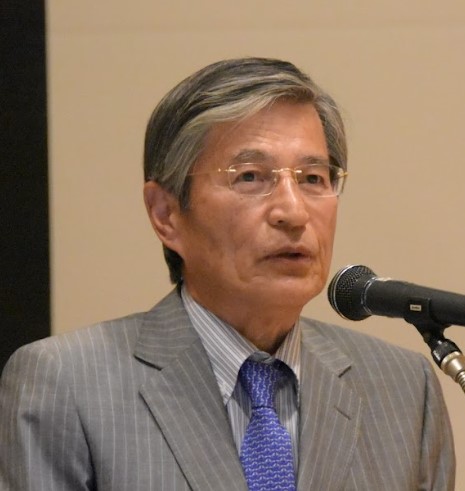
SESSION 11 SPEAKER
Dr. Shizuo Yamada
University of Shizuoka
JAPAN
“Beneficial Effects of Enoki Mushroom Extract on Male Menopausal Symptoms in Japanese Subjects: A Randomized, Double-Blind, Placebo-Controlled Study”
BIOGRAPHY
Education: Ph.D. (1976) in Pharmacology, Shizuoka College of Pharmacy. Pre-doctoral research associate, Dept. of Biochemistry, The Medical School, University of Nottingham and Dept. of Pharmacology, School of Pharmacy, University of London, England (1975). Research and Staff Appointments: Postdoctoral Research Associate, Dept. of Pharmacology and Internal Medicine, College of Medicine, University of Arizona, Tucson, U.S.A. (1978-1980). Visiting Professor, Dept. of Medicine, Brain Research Institute, School of Medicine, University of California (Los Angeles) (1994). Professor and Chairman, Graduate School of Pharmaceutical Sciences, University of Shizuoka (2004-present). Vice-president, University of Shizuoka (2011-2013). Publications : About 500 original article publications (peer-reviewed journals), 65 chapters and 80 reviews. Featured in Stanford University World’s Top 2% Scientists in 2022.
← Back to Speaker CV
Beneficial effects of enoki mushroom extract on male menopausal symptoms in Japanese subjects: A randomized, double-blind, placebo-controlled study
Shizuo Yamada
Center for Pharma and Food Research, School of Pharmaceutical Sciences, University of Shizuoka, Shizuoka, Japan *Corresponding author's E-mail address: yamada@u-shizuoka-ken.ac.jp
Abstract With the increase in average life expectancy, age-related male menopause has become a cause of decreased quality of life in men. The enoki mushroom (Flammulina velutipes), a major edible mushroom, has long been recognized for its nutritional value and delicious taste, with proven biological and pharmacological properties, becoming a prevalent health food in Japan. In our previous study, the administration of enoki mushroom extract increased testosterone production in a cisplatin-impaired mouse model, with the involvement of adenosine suggested as the active component. We also investigated efficacy and safety of powdered enoki mushroom extract containing adenosine (test food) for menopausal symptoms in middle-aged and elderly men based on evaluation test such as Heinemann’s Aging Males’ Symptoms (AMS) scores. Test food and placebo were administered to healthy men with AMS scores of 27-49 for 12 weeks. AMS score and testosterone level were evaluated before and 12 weeks after the intake of test food and placebo. The intake of test food for 12 weeks significantly improved sexual dysfunction of AMS. The number of subjects with increased total testosterone levels of ≥0.5 ng/mL was significantly higher in test food group than in placebo group. Furthermore, in the Pittsburgh Sleep Quality Index (PSQI), enoki mushroom extract provided beneficial effects on age-related symptoms such as sleep disturbance in middle-aged and older men. These results suggest beneficial effects of enoki mushroom extract on symptoms of male menopause.
Keywords — enoki mushroom (Flammulina velutipes), male menopause, Heinemann’s Aging Males’ Symptoms, quality of life.
← Back to Session 11
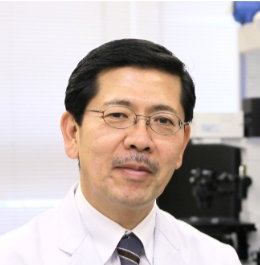
SESSION 11 SPEAKER
Dr. Jun Nishihira
Hokkaido Information University
JAPAN
“Dietary Habits and Age–Health Gradient Among Older Adults”
BIOGRAPHY
Biography not provided by speaker.
← Back to Speaker CV
Dietary Habits and Age–Health Gradient Among Older Adults
Jun Nishihira and Makoto Hazama
Department of Medical Management and Informatics, Hokkaido Information University, Ebetsu City, Hokkaido Japan
Abstract Background/Objectives: With increasing life expectancy, interest in healthy aging has grown substantially. Dietary habits are among the key factors that contribute to achieving healthy aging. This study analyzes the relationship between dietary habits and the age–health association in older adults, using the first two years of data from an ongoing annual cohort study conducted in a region of Japan. Methods: We used observational data from approximately 1200 community-dwelling males and females aged 55 to 75 at baseline, drawing on the first two years of a ten-year annual cohort study conducted from 2023 to 2032. First, dietary habits were classified using an ordinal latent block model (OLBM), a model-based clustering approach applied to food frequency questionnaire (FFQ) data. We then examined whether the age–health gradient—measured across 33 indicators—differed significantly across the derived dietary habit types, using random effects models. Results: Dietary habits in the analyzed sample were categorized into six distinct types. Parameter estimates from the model suggest that the extracted patterns represent a continuum ranging from low to high dietary diversity. Regression analyses indicated that, in females, a negative association between age and LDL-C levels was observed among those with highly diverse dietary habits. Conclusions: The data-driven classification of dietary habits based on FFQ responses highlights the potential importance of dietary diversity.
Keywords — Age-Health gradient, dietary habits, healthy aging, ordinal latent block model, food frequency questionnaire.
← Back to Session 11

SESSION 11 SPEAKER
Dr. Adam Matkowski
Wroclaw Medical University
POLAND
“Beauty and the Beet - on the Undervalued and Colorful Betalains, Not Only From Beetroots”
BIOGRAPHY
Biography not provided by speaker.
← Back to Speaker CV
Beauty and the Beet - on the undervalued and colorful betalains, not only from beetroots."
Adam Matkowski1, Sławomir Wybraniec2, Sylwia Zielińska3, Weronika Kozlowska3
1Department of Pharmaceutical Biology and Botany, Botanical Garden of Medicinal Plants, Wroclaw Medical University, Poland 2Department of Analytical Chemistry, T. Kosciuszko University of Technology at Cracow, Poland 3Department of Pharmaceutical Biotechnology, Wroclaw Medical University, Poland
Betalains are a class of naturally occurring pigments derived from the condensation of betalamic acid with various amine-like compounds. Based on their chemical substituents, they are categorized into two main groups: betacyanins, which exhibit vibrant red to purple hues, and betaxanthins, known for their yellow coloration. These pigments may also undergo glycosylation, further diversifying their structural and functional properties. Betalains are found in more than ten plant families within the order Caryophyllales, as well as in certain basidiomycete fungi, notably the genus Amanita. Among the important dietary sources are Beta vulgaris – beetroots, Selenicereus sp. – purple-fleshed pitaya/dragonfruit, Opuntia ficus-indica – prickly pear, as well as some underutilized crops such as Amaranthus, Basella alba, Atriplex hortensis, Carpobrotus edulis, various cacti fruits. As non-food phytochemical sources there are Phytolacca sp., Gomphrena globosa, Bougainvillea sp. Their biosynthesis originates from tyrosine or tyramine through a series of enzymatic reactions, with L-DOPA serving as a key intermediate. In plants that lack anthocyanins, betalains are responsible for the striking coloration of flowers, fruits, and other organs. Although their precise biological roles remain partially understood, one known function is photoprotection—shielding tissues from excessive light exposure. From a human health perspective, betalains are highly bioavailable and have demonstrated potent antioxidant, antiinflammatory and chemopreventive properties. In this lecture, betalains as a distinct phytochemical class will be explored, highlighting their biochemical characteristics and presenting some recent findings from our research on their production in plant in vitro cultures and anti-inflammatory properties. Acknowledgements: Support by the Wroclaw Medical University SUBZ.D030.26.040 to AM as well as SUBK.D030.22.052 to SZ is acknowledged.
← Back to Session 11

SESSION 11 SPEAKER
Dr. Thierry Astruc
INRAE, National Research Institute for Agriculture, Food and Environment
FRANCE
“The Study of Protein-Protein Interactions for Controlling the Texture of Hybrid Foods”
BIOGRAPHY
Thierry Astruc obtained his Master's degree in food science in 1989. He worked at the Meat Research Laboratory of INRA (French National Institute for Agriculture, Food and Environment) in Jouy en Josas and joined the Meat Research Station at INRA – Theix in 1993. For 12 years, he was involved in research aimed at better understanding the mechanisms related to the effects of pre-slaughter stress on meat quality and completed his PhD thesis in 2001. Since 2006, he has been a member of the “Quality of Animal Products” research unit and heads the “Imaging and Transfers” research team. His research focuses on the impact of process routes on the structure and compositional changes in meat and meat products and their effects on sensory, processability and nutritional properties. He is also interested in the design of new hybrid foods combining raw materials of animal and plant or fungal origin to meet the constraints of the global food transition. His team is developing future foods through 3D printing with the aim of making textured foods intended for target populations.
Dr Astruc is associate editor of the scientific journal Meat Science. To date, he is author/co-author of 90 papers in peer-reviewed journals, 14 book chapters and more than 150 communications in international and national conferences.
← Back to Speaker CV
The study of protein-protein interactions for controlling the texture of hybrid foods
Thierry Astruca, Coline Schiella, b, Stéphane Portanguena, Idrissa Diakitea, c, Angélina D’Orlandoc, d, Pierre-Sylvain Miradea aINRAE, UR370 Qualité des Produits Animaux (QuaPA), 63122 Saint-Genès-Champanelle, France bADIV (Association pour le Développement de l’Institut de la Viande), 10 rue Jacqueline Auriol, 63039 Clermont-Ferrand, France cINRAE, UR1268 Biopolymères Interactions Assemblages (BIA), 44300 Nantes, France: angelina.dorlando@inrae.fr
dINRAE, PROBE research infrastructure, BIBS facility, 44300 Nantes, France;
Abstract Hybrid foods, composed of plant or fungal matter and animal matter, represent an innovative and sustainable food solution for adapting to the global food transition. The degree of interaction between plant and animal compounds governs the food's structural cohesion and texture. In the context of designing a liver/lentil hybrid food. we hypothesized that the level of protein denaturation could regulate the level of interaction between proteins and, consequently, modulate the food's texture. Differential Scanning Calorimetry (DSC) was used to determine the denaturation temperatures of lentils proteins and liver albumin which were 85 °C and 80 °C, respectively. We then evaluated the rheological properties and microstructure of thermal gels from 5% protein solutions at 0:100, 30:70, 50:50, 70:30 and 100:0 lentils proteins: liver albumin ratios. The mixed-protein combinations showed synergistic interactions. Up to a lentil protein concentration of 50%, the mixed gels exhibited a more compact and structured network than gels made from pure lentil protein. They displayed a stable elastic structure and increased resistance to deformation. The use of atomic force microscopy coupled with force spectroscopy demonstrated that the thermal denaturation of the proteins enhanced their degree of interaction, likely resulting from the formation of hydrophobic and hydrogen bonds. This work indicates that the texture of hybrid foods can be modulated by adjusting the degree of protein denaturation. This approach can also be used to ensure better cohesion of layers in 3D-printed foods. Finally, while we have focused on proteins so far, other compounds such as carbohydrates (fiber, starch) or lipids can also be involved in modulating texture, and the processes could also affect their degree of interaction with other food molecules.
Keywords — hybrid food, protein denaturation, protein interaction, texture, AFM-force spectroscopy
← Back to Session 11

SESSION 11 SPEAKER
Dr. Emmanouil Papaioannou
Lancaster University
UNITED KINGDOM
“Bioprocesses in Nutrition: Past, Present and Future”
BIOGRAPHY
Biography not provided by speaker.
← Back to Speaker CV
Bioprocesses in nutrition: past, present and future
Emmanouil H. Papaioannou*
School of Engineering, Faculty of Science and Technology, Lancaster University, LA1 4YW, England, United Kingdom * e.papaioannou@lancaster.ac.uk
Abstract By 2050, the global population is expected to reach 9–10 billion, with nearly one in five people aged over 60. At the same time, the prevalence of overweight and obesity-already affecting around 2.1 billion individuals-is rising at an alarming rate, driven in part by urbanisation and increased consumption of energy-dense foods and sweetened beverages. Together, ageing and obesity represent two of the most critical and interconnected public health challenges, with profound societal and economic consequences. Diet remains one of the most powerful and modifiable determinants of human health, influencing wellbeing, ageing, and longevity. As Hippocrates stated, “let food be your medicine and medicine be your food”. Dietary patterns such as the Mediterranean diet, alongside advances in food processing, have been consistently associated with a reduced risk of age-related diseases. However, a fundamental challenge lies in delivering safe, affordable, and nutritionally optimised foods. Bioactive compounds with proven health benefits are often present at low concentrations, while less desirable components may dominate. At the same time, processing costs can account for up to 60% of total production. In this context, the pivotal role of biological transformations and mild separation technologies that offer a transformative opportunity to enhance nutritional quality, while maintaining sustainability and economic viability will be discussed.
Keywords — food processing, food biotechnology, microbial biotransformation, downstream processing, membranes separations.
Room 6Brain Health and Nutrition
← Back to Index
Brain Health and Nutrition
Dr. Linyi Chen, Dr. Chang-wei Hsieh
TimeSpeakerTitle
點擊任一列,即可查看該講者完整 CV 與摘要 · Click any row to view the speaker's full CV and abstract
← Back to Session 12

SESSION 12 SPEAKER
Dr. Nae-Cherng Yang
Chung Shan Medical University
TAIWAN
“Development of Potential Anti-Aging Molecules Using the Caenorhabditis Elegans Model: Nicotinic Acid, Myo-Inositol, and Calcium Chloride as Examples”
BIOGRAPHY
Biography not provided by speaker.
← Back to Speaker CV
Development of Potential Anti-Aging Molecules Using the Caenorhabditis elegans Model: Nicotinic Acid, Myo-Inositol, and Calcium Chloride as Examples
Nae-Cherng Yang*, Che-Hsu Chin
Department of Nutrition, Chung Shan Medical University
Abstract The Caenorhabditis elegans (C. elegans) model possesses several advantages for anti-aging research, including (1) a short lifespan and rapid experimental cycle, (2) highly conserved aging-related pathways, (3) ease of genetic manipulation, (4) a transparent body structure, and (5) strong relevance to mammalian aging mechanisms. These characteristics make C. elegans an ideal model for screening and developing molecules with potential anti-aging properties. Aging is regulated by multiple complex mechanisms. Our laboratory is particularly interested in developing molecules capable of mimicking the effects of caloric restriction (CR). CR has repeatedly been shown to extend lifespan, and reduce the incidence of age-related diseases. Previous studies have demonstrated that the longevity effects of CR are mainly mediated through the IIS, Sirtuins, mTOR, and AMPK signaling pathways. Therefore, our research focuses on identifying compounds that induce longevity in C. elegans through these pathways, as such compounds may serve as caloric restriction mimetics (CRMs). C. elegans are typically cultured on nematode growth medium (NGM) plates seeded with E. coli OP50 as a food source. Test compounds can be administered together with the bacterial suspension onto the culture plates. To avoid metabolic modification of the test compounds by live bacteria, dead bacteria are preferable for experiments. Lifespan assays are the primary method used to evaluate lifespan-extending effects in C. elegans. Pharyngeal pumping, body bends, and locomotion are commonly assessed as health indicators. Lipofuscin autofluorescence is also measured as a marker of aging. Compounds that extend lifespan and improve health markers are considered to possess longevity effects in C. elegans. To further elucidate the underlying molecular mechanisms, approaches such as loss-of-function mutants, RNA interference (RNAi), Western blotting, and fluorescent fusion protein analyses (expression and localization) are employed. In this presentation, we will introduce how the C. elegans model can be used to develop potential anti-aging molecules, using nicotinic acid, myo-inositol, and calcium chloride as examples based on our previously published studies.
Keywords — C. elegans, anti-aging, longevity, loss-of-function mutation, molecular mechanism
← Back to Session 12

SESSION 12 SPEAKER
Dr. Linyi Chen
National Tsing Hua University, Hsinchu
TAIWAN
“Toward Brain Injury Therapy: From Epigenome, Mitochondrial Biogenesis to Drug Development”
BIOGRAPHY
Professor Tai-Yuan Chen is Director of the Department of Food Science and the Institute of Food Safety and Risk Management at National Taiwan Ocean University (NTOU), Taiwan. His research interests encompass marine food chemistry, non-thermal food processing, and the proteomic characterization of Listeria monocytogenes. He has expertise liquid chromatography–mass spectrometry (LC–MS), and proteomics, and has been invited to deliver presentations at international conferences worldwide. Professor Chen received his Ph.D. from NTOU in 2003, where his doctoral research focused on species-specific protein identification in pufferfish using one- and two-dimensional electrophoresis coupled with mass spectrometry. He subsequently joined the Institute of Biological Chemistry at Academia Sinica, where he conducted research on allergen identification and characterization using integrated 2-DE, Western blotting (WB), and LC–MS/MS approaches. In 2009, Professor Chen returned to NTOU and has since contributed extensively to teaching, research, and academic leadership. He has served in leadership positions in both the Department of Food Science and the Institute of Food Safety and Risk Management, where he currently serves as Director. His research integrates food chemistry, advanced analytical proteomics, and emerging non-thermal processing technologies to address food safety and quality challenges, particularly those associated with seafood and foodborne pathogens.
← Back to Speaker CV
Toward brain injury therapy: from epigenome, mitochondrial biogenesis to drug development
Linyi Chen
Department of Medical Science, Institute of Molecular Medicine, College of Life Sciences and Medicine, National Tsing Hua University, Hsinchu, Taiwan
Abstract Traumatic brain injury (TBI) is a critical public health problem with high mortality and morbidity. Approximately 70 million individuals worldwide reported suffer from TBI every year. Patients suffered from severe TBI have twice the risk of developing into neurodegenerative diseases later in their life. Thus, early intervention is needed not only to treat TBI but also to reduce neurodegenerative diseases in the future. Physiological functions of neurons highly depend on mitochondria. As mitochondrial integrity is compromised by injury, neurons would initiate a cascade of events to maintain homeostasis of mitochondria. In this talk, I will share our recent findings underlie the regenerative potential of injured brain neurons and functional recovery. In addition, I will also share our endeavor on the development of small molecule compounds toward treating traumatic brain injury.
← Back to Session 12

SESSION 12 SPEAKER
Dr. Chang-wei Hsieh
National Chung Hsing University
TAIWAN
“Non-Thermal Food Processing for Sustainable and Health-Oriented Innovation”
BIOGRAPHY
Biography not provided by speaker.
← Back to Speaker CV
Non-Thermal Food Processing for Sustainable and Health-Oriented Innovation
Chang-Wei Hsieh1,2
1Department of Food Science and Biotechnology, National Chung Hsing University, Taichung City 40227, Taiwan 2Department of Food Science, National Ilan University, Shennong Road, Yilan 26047, Taiwan
Abstract The increasing demand for healthier foods and more sustainable production systems has encouraged the development of processing technologies that can maintain food safety and quality while reducing thermal damage, processing intensity, and resource losses. This presentation highlights the potential applications of non-thermal food-processing technologies, including high-pressure processing (HPP), pulsed electric fields (PEF), and cold plasma, for sustainable production, bioactive compound enhancement, and health-oriented food innovation. Compared with conventional thermal treatments, which may induce oxidation, nutrient degradation, undesirable flavor formation, and texture deterioration, non-thermal technologies can selectively modify food components and structures with limited heat exposure. HPP can enhance protein interactions, gel strength, and water-holding capacity in surimi-based products, thereby improving product quality and more efficiently utilizing aquatic resources. HPP can also shorten the processing time for black garlic while enhancing the formation or retention of S-allyl cysteine, thereby demonstrating its potential to produce foods with increased bioactive value. PEF treatment can alter plant cell membrane permeability, facilitate the release of intracellular compounds, and reduce enzymatic deterioration in fruits and vegetables. These effects may improve extraction efficiency, preserve health-related phytochemicals, shorten processing time, and reduce losses of agricultural materials. Cold plasma can modify the molecular structure and interfacial properties of plant proteins, thereby improving their emulsifying, foaming, and gelling properties. Such functional modification may support the development of plant-based foods and reformulated meat products with reduced reliance on conventional phosphate additives. Collectively, these technologies demonstrate that non-thermal processing is evolving beyond its traditional role in food preservation. By reducing unnecessary thermal exposure, enhancing the retention or release of bioactive compounds, improving the functionality of food ingredients, and promoting the value-added utilization of agricultural resources, non-thermal technologies can contribute to more sustainable and health-oriented food systems.
← Back to Session 12

SESSION 12 SPEAKER
Dr. I-Ning Tsai
Chung Shan Medical University
TAIWAN
“Coffee Extracts and Their Major Components to Prevent Glucolipotoxicity-Induced Diabetic Neurodegenerative Diseases and Steatohepatitis”
BIOGRAPHY
Dr. I-Ning Tsai is a postdoctoral researcher at the Institute of Medicine, Chung Shan Medical University, Taiwan. She received her Ph.D. from Chung Shan Medical University and her M.S. from National Cheng Kung University. Her research focuses on natural products, functional food components, glucolipotoxicity, type 2 diabetes-related complications, neurodegenerative diseases, steatohepatitis, diabetic nephropathy, inflammation, oxidative stress, pyroptosis, apoptosis, and adult hippocampal neurogenesis. Her recent studies investigate the protective effects of coffee extracts and major coffee polyphenols, including chlorogenic acid and caffeic acid, against diabetes-associated brain, liver, and kidney injury. In addition to her academic research, Dr. Tsai has interdisciplinary experience in food safety, HACCP, sensory evaluation, functional food development, and health industry applications. She is also the CEO of Zun Ren Co., Ltd., where she integrates food science, coffee sensory education, product development, and health-oriented brand management.
← Back to Speaker CV
Coffee Extracts and Their Major Components to Prevent Glucolipotoxicity-Induced Diabetic Neurodegenerative Diseases and Steatohepatitis
I-Ning Tsai
Background: Type 2 diabetes is associated with glucolipotoxicity-induced cognitive impairment and hepatic disorders, including non-alcoholic fatty liver disease and steatohepatitis. Coffee is rich in polyphenolic compounds, particularly chlorogenic acid and caffeic acid, which possess antioxidant and anti-inflammatory properties. This study investigated the cross-organ protective effects of coffee extract, chlorogenic acid, and caffeic acid in a glucolipotoxic animal model of type 2 diabetes. Methods: Apolipoprotein E-deficient mice were fed a high-fat diet and administered low-dose streptozotocin to establish a glucolipotoxic model characterized by persistent hyperglycemia and hyperlipidemia. Mice were treated with coffee extract, chlorogenic acid, or caffeic acid. Spatial and working memory were evaluated using the Y-maze test, and molecular mechanisms in the brain and liver were analyzed. Results: Although the treatments did not significantly normalize hyperglycemia, they reduced compensatory hyperinsulinemia, improved insulin sensitivity, ameliorated dyslipidemia, and attenuated hepatic and renal dysfunction. In the brain, the treatments improved spatial recognition and working memory by activating the Nrf2 antioxidant pathway, reducing oxidative DNA damage, suppressing NF-κB/NLRP3 inflammasome-mediated pyroptosis, attenuating mitochondrial-dependent apoptosis, and enhancing adult hippocampal neurogenesis, as evidenced by increased BrdU, DCX, and NeuN expression. In the liver, the treatments reduced lipid accumulation and fibrosis by suppressing SREBP-1c- and SREBP-2-mediated lipogenesis and cholesterol synthesis while activating the AMPK/PPAR-α/CPT-1 axis to promote fatty acid β-oxidation. Conclusion: Coffee extract and its major polyphenols confer cross-organ protection against glucolipototoxicity-induced diabetic neurodegeneration and steatohepatitis through non-glucose-dependent mechanisms.
Keywords — Adult hippocampal neurogenesis; Type 2 diabetes; Glucolipotoxicity; Pyroptosis; Non-alcoholic steatohepatitis; Coffee polyphenols
← Back to Session 12

SESSION 12 SPEAKER
Dr. Razinah Sharif
National University of Malaysia
MALAYSIA
“From Metabolic Phenotypes to Cellular Senescence: Advancing Precision Nutrition for Healthy Ageing”
BIOGRAPHY
Assoc. Prof. Ts. Dr. Razinah Sharif
Universiti Kebangsaan Malaysia (UKM), Malaysia
Diplomate, American Board of Toxicology (DABT) European Registered Toxicologist (ERT)
Dr. Razinah Sharif is an Associate Professor at Universiti Kebangsaan Malaysia (UKM), specializing in molecular nutrition, nutrigenomics, toxicology, and functional food research. She has more than 15 years of experience in translational biomedical research, with particular interests in understanding the interactions between diet, environmental exposures, genomic stability, and disease risk.
She obtained her PhD in Medicine from the University of Adelaide, Australia, where her research examined the relationship between dietary compounds, oxidative stress, and genomic stability. Her subsequent research has expanded into nutrigenomics, metabolomics, exposome science, healthy ageing, and toxicological risk assessment, with an emphasis on translating molecular evidence into strategies for disease prevention and improved health.
Dr. Razinah is a Diplomate of the American Board of Toxicology (DABT) and a European Registered Toxicologist (ERT). She previously served as Laboratory Director of Makmal Bioserasi, UKM, an internationally accredited OECD GLP and ISO/IEC 17025 laboratory providing preclinical safety and biocompatibility testing for medical devices and food-related products. Her experience bridges fundamental research, regulatory science, and real-world translation.
← Back to Speaker CV
From Metabolic Phenotypes to Cellular Senescence: Advancing Precision Nutrition for Healthy Ageing
Razinah Sharif
Centre for Healthy Ageing and Wellness, Faculty of Health Sciences, Universiti Kebangsaan Malaysia. Email: razinah@ukm.edu.my
Abstract Ageing is characterized by substantial inter-individual heterogeneity, suggesting that chronological age alone may not adequately reflect biological ageing or predict responses to nutritional interventions. Metabolic dysregulation, chronic low-grade inflammation and cellular senescence are increasingly recognized as interconnected processes contributing to age-related functional decline. This presentation integrates findings from our programme of human nutritional ageing research with emerging evidence on cellular senescence to propose a precision nutrition framework for healthy ageing. In older adults with mild cognitive impairment, regular intermittent fasting was associated with favourable cognitive trajectories over a three-year follow-up, accompanied by biochemical and metabolic changes. In a subsequent 12-week randomized, double-blind, placebo-controlled trial involving older adults, bovine colostrum supplementation significantly reduced the pro-inflammatory mediators CRP, IL-6 and TNF-α, while untargeted metabolomics identified 33 differentially regulated metabolites, with glycerophospholipid and cysteine–methionine metabolism emerging as potentially responsive pathways. In contrast, significant intervention effects were not observed for telomerase activity, 8-OHdG, MDA or SOD. These human findings were contextualized against our recent scoping review of 111 preclinical studies of plant-derived senotherapeutics, which identified convergence across pathways regulating cellular survival, nutrient sensing, oxidative stress and the senescence-associated secretory phenotype, including PI3K/AKT/mTOR, NF-κB/SASP, Nrf2 and p53/p21/p16 signalling. Collectively, these findings suggest that nutrition-responsive metabolic and inflammatory phenotypes may intersect with biological pathways involved in cellular senescence, although direct evidence of nutritional modulation of senescence in humans remains limited. Integrating metabolomic phenotyping with direct cellular senescence biomarkers may therefore provide a translational approach for identifying nutrition-responsive ageing phenotypes and developing precision nutrition strategies to extend healthspan.
Keywords — healthy ageing; precision nutrition; cellular senescence; metabolomics; inflammaging; senotherapeutics
Room 1Big data, Artificial Intelligence and Precision Health
← Back to Index
Big data, Artificial Intelligence and Precision Health
Dr. Moon-Suhn Ryu, Dr. Neema Kassim
TimeSpeakerTitle
點擊任一列,即可查看該講者完整 CV 與摘要 · Click any row to view the speaker's full CV and abstract
← Back to Session 13

SESSION 13 SPEAKER
Dr. Chalermpong Saenjum
Chiang Mai University
THAILAND
“Bio-Composite Bone Delivery System Containing Natural Active Pharmaceutical Ingredients From Nga- Mon Seed (Perilla Frutescens) for Osteoporotic Protection”
BIOGRAPHY
Dr.Chalermpong Saenjum, graduated from Faculty of Pharmacy, Chiang Mai University, Chiang Mai, Thailand with Bachelor’s and Master’s degrees. He obtained his PhD degree at the Chiang Mai University under the Franco-Thai Scholarship Program in collaborated with University of Paris-5 (formerly the University of Paris Descarte). Currently, he serves as Associate Professor at the Department of Pharmaceutical Sciences, and as the Head of Research Center for Innovation in Analytical Science and Technology for Biodiversity-Based Economic and Society (I-ANALY-S-T_B.BES-CMU), Multidisciplinary Research Institute (MDRI), Chiang Mai University, Chiang Mai, Thailand. His current interests are green and sustainable chemical/pharmaceutical analysis, including downscaling, simplified procedure, natural reagents, and natural solvents. Additionally, natural active pharmaceutical ingredients (NAPIs) discover and development with molecular signaling pathways, especially for bone-related diseases.
← Back to Speaker CV
Bio-composite Bone Delivery System Containing Natural Active Pharmaceutical Ingredients from Nga-Mon Seed (Perilla frutescens) for Osteoporotic Protection
Chalermpong Saenjum1,2, Kanokkarn Phromnoi2,4, Sutasinee Apichai2,3, Prakasit Panyamao1,2, Thanawat Pattananandecha2,3
1Faculty of Pharmacy, Chiang Mai University, Chiang Mai, Thailand 2Research Center for Innovation in Analytical Science and Technology for Biodiversity Based Economic and Society (I-ANALY-S-T_B.BES-CMU), Multidisciplinary Research Institute (MDRI), Chiang Mai University, Chiang Mai, Thailand 3Office of Research Administration, Chiang Mai University, Chiang Mai, Thailand 4School of Medical Sciences, University of Phayao, Phayao, Thailand *E-mail address: chalermpong.s@cmu.ac.th
Perilla frutescens L. (Perilla or Nga-Mon in Thai) is a herb that belongs to the mint family and is traditionally grown in Northern Thailand. The HPLC analysis indicated that the Nga-Mon seed meal extract (NMSME) contains rosmarinic acid and luteolin as the major natural active pharmaceutical ingredients (NAPIs). The NMSME demonstrated a dual anti-osteoporotic effect by promoting osteoblast differentiation, which increasing key biomarkers including ALP, OC, OPG, and the OPG/RANKL ratio, and inhibiting osteoclastogenesis by significantly decreasing RANKL-promoted osteoclast differentiation. The NMSME clearly attenuated RANKL-induced TRAP-positive multinucleated osteoclasts and TRAP activity. Additionally, the NMSME significantly downregulated RANKL-induced NF-κB and AP-1 activation and NFATc1 expression. The NMSME also suppressed the RANKL-induced osteoclast-specific marker genes such as MMP-9 and inhibited RANKL-induced ROS production in RAW 264.7 cells. In addition, the bio-composite bone delivery system was developed and prepared by a spray drying technique which is composed of bio-ceramics, namely hydroxyapatite, and collagen at a 2:1 weight ratio to simulated bone composition and a biopolymer (polyvinyl alcohol) at weight ratio of 1:1 without a pore-forming agent. The prototype of an osteoprotective tablet of bio-composites for oral administration was developed. It contained bio-composites containing NMSME, microcrystalline cellulose and lactose as tablet diluent and polyvinyl pyrrolidone K90, talcum, magnesium stearate, and croscarmellose sodium were used as binding agent, glidant, lubricant, and tablet disintegrant. Furthermore, ovariectomized mice orally administered with bio-composite bone delivery system containing NMSME a significant increase in the bone strength comparable to the control group. The present results indicate that the bio-composite bone delivery system containing NMSME can be a potential candidate for beneficial use in osteoporotic protection.
Keywords — Nga-Mon Seed (Perilla frutescens), Rosmarinic acid, Luteolin, Bone remodeling, Osteoporotic protection
← Back to Session 13
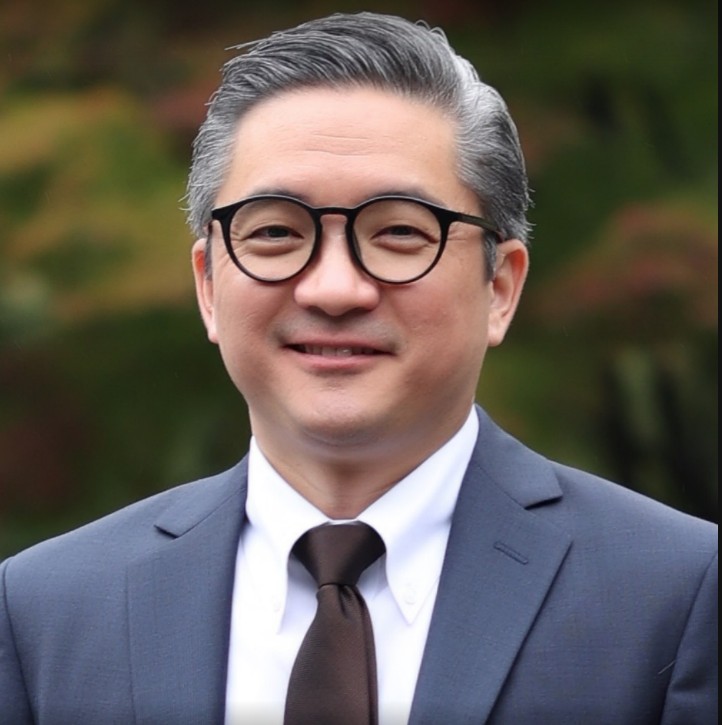
SESSION 13 SPEAKER
Dr. Moon-Suhn Ryu
Yonsei University
KOREA
“Zinc-Dependent Regulation of Erythropoiesis: Linking ZIP10-Mediated Homeostasis to Heme Biosynthesis and Anemia Risk”
BIOGRAPHY
Biography not provided by speaker.
← Back to Speaker CV
Zinc-Dependent Regulation of Erythropoiesis: Linking ZIP10-Mediated Homeostasis to Heme Biosynthesis and Anemia Risk
Juyoung Kim1, Jee-Oo Song2, Moon-Suhn Ryu1,2*
1Department of Food Science and Nutrition, University of Minnesota, Twin Cities, USA 2Department of Food and Nutrition, Yonsei University, Seoul, Republic of Korea *Corresponding author: Moon-Suhn Ryu (msryu@yonsei.ac.kr)
Zinc deficiency remains a major global health challenge and is closely associated with impaired erythropoiesis and anemia, yet the mechanisms linking zinc availability to red blood cell development remain incompletely defined. Erythroid differentiation requires substantial metabolic remodeling and sustained heme biosynthesis, processes that are highly sensitive to intracellular metal homeostasis. Our recent work supports a framework in which zinc functions as a regulatory determinant of erythroid maturation. During differentiation, intracellular zinc is maintained through coordinated regulation of zinc transporters, among which the zinc importer SLC39A10 (ZIP10) is selectively induced under zinc-limiting conditions to preserve cytosolic zinc availability. Experimental restriction of zinc availability in vitro, as well as impaired transporter function, compromises erythroid maturation and hemoglobinization. Mechanistically, zinc availability governs heme biosynthetic capacity by regulating δ-aminolevulinic acid dehydratase (ALAD), a zinc-dependent enzyme catalyzing a key early step in porphyrin synthesis. Reduced intracellular zinc suppresses ALAD expression, leading to impaired heme production independent of iron availability and defining a zinc-dependent checkpoint in erythropoiesis. This regulatory axis extends to human biology, as genetic variation in SLC39A10 alters zinc transport capacity and is associated with hematologic traits. Collectively, these findings establish zinc as a critical regulator of erythropoiesis and provide a mechanistic basis for understanding zinc-related anemia, supporting the development of genotype-informed nutritional strategies to improve hematological health.
Keywords — Zinc transporter, SLC39A10, Hemoglobin, Terminal erythroid differentiation, Nutrigenetics
← Back to Session 13

SESSION 13 SPEAKER
Dr. Neema Kassim
The Nelson Mandela African Institution of Science and Technology
TANZANIA
“Provision of Low-Aflatoxin Local Foods Reduced Urinary Aflatoxin Biomarker in Children in Rural Tanzania”
BIOGRAPHY
Biography not provided by speaker.
← Back to Speaker CV
Provision of Low-Aflatoxin Local Foods Reduced Urinary Aflatoxin Biomarker in Children in Rural Tanzania
Neema Kassim1, Francis Ngure2, Laura Smith3, Paul C. Turner4, Rebecca Stoltzfus5,6, Edna Makule1, Nyabasi Makori2, Erica Phillips6.
1Department of Food Biotechnology and Nutritional Sciences, School of Life Science and Bio‐Engineering, The Nelson Mandela African Institution of Science and Technology (NM‐AIST), Arusha, Tanzania, neema.kassim@nm-aist.ac.tz 2Independent Research Consultant, Arusha, Tanzania, fmn9@cornell.edu 3Department of Public & Ecosystem Health, Cornell University College of Veterinary Medicine, Ithaca, New York, USA, les36@cornell.edu 4MIAEH, School of Public Health, University of Maryland, College Park, Maryland, USA, pturner3@umd.edu 5Goshen College, Goshen, Indiana, USA, rebeccajs2@goshen.edu 6Division of Nutritional Sciences, Cornell University, Ithaca, New York, USA, elp28@cornell.edu Abstract: Introduction: Consumption of complementary foods contaminated with aflatoxins (AFs), the toxic secondary metabolites of fungi, is the main route of exposure to these toxins among children. Objective: In preparation for a large trial, this pilot study examined if provision of a low-aflatoxin infant porridge flour made from local maize and groundnuts reduced the prevalence of a urinary aflatoxin biomarker in infants. Methods: Thirty-six infants, aged 6-18 months, were included from four villages in Kongwa District, Tanzania. The study was conducted over 12 days with a three-day baseline period and a 10-days where low-AF porridge flour was provided. Porridge intake of infants was assessed using quantitative 24-hour recalls by mothers. Household food ingredients used in infant porridge preparation and urine samples were collected on days 1-3 (baseline) and days 10-12 (follow-up). Aflatoxins were measured in household foods and AFM1 was measured in urine. Results: At baseline and follow-up, 78% and 97%, respectively, of the infants consumed porridge in the previous 24 hours, with a median volume of 220 ml (IQR, 201, 318) and 460 ml (IQR: 430, 563), respectively (p<0.001). All 47 samples of homemade flour/ ingredients were contaminated with AFs (0.3 - 723 ng/g). The overall prevalence of individuals with detectable urinary AFM1 was reduced by 81%, from 15/36 (42%) at baseline to 3/36 (8%) at follow-up (p=0.003). Conclusion: Provision of low-aflatoxin porridge flour was acceptable to caregivers and their infants, and successfully reduced the prevalence of detectable urinary AFM1 in infants; thus, confirming its potential to be tested in future large-scale health outcomes trial.
Conflict of interest: Authors declare no potential conflict of interest
Keywords — infants, low‐aflatoxin diet, reduced exposure, urinary AFM1 biomarker
← Back to Session 13
SESSION 13 SPEAKER
Dr. Yue-Jia Lee
National Taiwan University
TAIWAN
“Biofilm Formation Limits Nisin Efficacy – Implications for Optimizing Natural Antimicrobials in Food Systems”
BIOGRAPHY
Kwang-Geun (James) Lee is a professor of Food Chemistry in Dongguk University, Korea and has a broad experience in the field of food toxicant analysis. He received his degrees in the area of food science and technology from Seoul National University (B.S. and M.S.) and University of California, Davis (Ph.D.). At Dongguk University his teaching and research is concerned with development of analytical method for various food toxicants such as furan, ethyl carbamate and mycotoxins and their reduction in food model systems. He has published 6 books and 200 refereed papers. Currently he serves as Associate Editor of the ‘ACS Food Science and Technology’ journal. He served as the Dean of Dongguk University’s College of Biological Science for 2 years (2017-2019).
← Back to Speaker CV
Abstract Title: Biofilm Formation Limits Nisin Efficacy – Implications for Optimizing Natural Antimicrobials in Food Systems
Authors: Ziqin Zhao1, Nguyen Thi Hong Ngoc1, Yu-Ting Lin1, and Yue-Jia Lee1
Affiliation: 1 Institute of Food Science and Technology, National Taiwan University, Taipei, Taiwan
Abstracts: Control of Listeria monocytogenes in food systems is essential to reduce the risk of foodborne disease, as listeriosis is characterized by high hospitalization and mortality rates. Nisin, a bacteriocin widely used as a food preservative, is applied to inhibit L. monocytogenes growth; however, its efficacy has been reported to decline against bacteria within biofilms. This study assessed how biofilm formation alters L. monocytogenes susceptibility to nisin. Planktonic and biofilm-associated cells were compared using physiological characterization and time-kill assays. Biofilm-associated cells exhibited a prolonged lag phase and required longer exposure to nisin to achieve complete inactivation than planktonic cells. Lag phase duration was positively correlated with time to inactivation. Disruption of the biofilm matrix did not enhance the bactericidal efficacy of nisin, indicating that reduced susceptibility in L. monocytogenes was not primarily due to limited nisin penetration. Proteomic analysis further revealed that increased abundance of proteins associated with cobalamin biosynthesis, bacterial microcompartment-related functions, and oxidoreductase activity in biofilm-associated cells during nisin exposure. These changes represent a targeted metabolic reprogramming to support longer survival under stress. Collectively, these findings indicate that the reduced efficacy of nisin against L. monocytogenes is driven primarily by physiological adaptation associated with biofilm growth, rather than by the biofilm matrix alone. This distinction has implications for optimizing antimicrobial applications in food systems by targeting the physiological modulation of foodborne pathogens to reduce their persistence and improve food safety. Keywords: food safety, Listeria monocytogenes, nisin, biofilm, metabolic adaptation
← Back to Session 13

SESSION 13 SPEAKER
Dr Abbe Maleyki Bin Mhd Jalil
Universiti Brunei Darussalam
BRUNEI
“The Value of 'NO': Robustness and Reproducibility in Precision Health”
BIOGRAPHY
Dr. Abbe Maleyki Mhd Jalil
Assistant Professor in Human Nutrition Universiti Brunei Darussalam
Executive Summary
Dr. Abbe Maleyki Mhd Jalil is an Assistant Professor at the Biological Sciences Programme, Faculty of Science, Universiti Brunei Darussalam. Specializing in Human Nutrition, his academic work focuses on the development and health benefits of functional foods, nutraceuticals, and metabolic health management.
Key Highlights
Academic Credentials: Holds a PhD in Human Nutrition from the University of Glasgow, Scotland, along with an MSc in Nutrition Science and a BSc (Hons) in Nutrition and Community Health from Universiti Putra Malaysia (UPM).
Career Experience: Served as a Lecturer and Senior Lecturer at Universiti Sultan Zainal Abidin (UniSZA) from 2009 to 2026 before joining Universiti Brunei Darussalam.
Leadership & Editorial Roles: President of the Malaysian Association of Functional Foods and Nutraceuticals (MAFFN) and Editor-In-Chief of the Malaysian Journal of Functional Foods and Nutraceuticals.
Research & Publications: Authored papers in internationally renowned journals focusing on topics such as dietary polyphenols from tea, coffee and cacao, traditional fermented foods and functional foods development and its health benefits in animal and human trials.
← Back to Speaker CV
The Value of 'No': Robustness and Reproducibility in Precision Health
Abbe Maleyki Mhd Jalil1, Napisah Husain2, Muhammad Ibrahim3, Amin Ismail4
1Biological Sciences Programme, Faculty of Science, Universiti Brunei Darussalam, Jalan Tunku Link, BE1410, Negara Brunei Darussalam 2School of Nutrition and Dietetics, Faculty of Health Sciences, Universiti Sultan Zainal Abidin, 21300 Kuala Nerus, Terengganu, Malaysia 3Kuliyyah of Allied Health Sciences, International Islamic University (IIUM), IIUM Centre for Natural & Health Sciences, Kuantan Campus, Jalan Sultan Haji Ahmad Shah, 25200 Bandar Indera Mahkota, Kuantan, Pahang 4Nutrition Programme, Faculty of Medicine and Health Sciences, Universiti Putra Malaysia, 43400, UPM Serdang, Malaysia *Corresponding author: abbe.jalil@ubd.edu.bn; ORCID iD: 0000-0002-0051-4533
Background & Objective: Robust in vivo data are essential to inform precision health. This study evaluated the acute impact of soluble beta-glucan on postprandial glucose, insulin, and gut hormone levels (GLP-1, peptide YY, and cholecystokinin). Methods: Two experiments were conducted: an environmentally controlled animal study in Sprague-Dawley rats using Human Equivalent Dose (Experiment 1) and an open-label randomised controlled trial in Caucasian humans dosed according to EFSA guidelines (Experiment 2). Acute administration (over 0–6 h) was monitored via serial blood sampling at baseline (0 min) and at 15, 30, 60, 90, 120, and 180 min. Non-normally distributed data were expressed as medians (IQR). Results: Contrary to established health claims, acute beta-glucan supplementation did not significantly alter glycaemic, insulin, or gut hormone responses in either experiment compared to controls. Conclusion: These non-significant outcomes emphasize the need for rigorous study design. Future research must minimize intra- and inter-analytical errors, optimize sample sizes using tools like G*Power, and control for inter-individual human variations (diet, physical activity, sex, and genetics) to effectively advance precision health.
Keywords — Beta glucan, glucose, insulin, gut hormones, functional foods
Room 2Precision Cancer Medicine
← Back to Index
Precision Cancer Medicine
Dr. Benjamin K Tsang, Dr. Ciro Isidoro
TimeSpeakerTitle
點擊任一列,即可查看該講者完整 CV 與摘要 · Click any row to view the speaker's full CV and abstract
← Back to Session 14
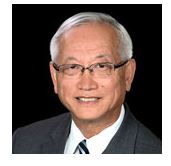
SESSION 14 SPEAKER
Dr. Benjamin K Tsang
University of Ottawa
CANADA
“Global DNA Methylation Signatures Associated With Chemoresistance and Poor Prognosis of High Grade Serous Ovarian Cancer”
BIOGRAPHY
Benjamin K. Tsang, PhD
Director, Reproductive Biology Unit,
Professor Emeritus, Departments of Obstetrics & Gynecology and
Cellular & Molecular Medicine, University of Ottawa
Emeritus Senior Scientist, Inflammation and Chronic Disease Program,
Ottawa Hospital Research Institute, The Ottawa Hospital
Website: www.ohri.ca/profiles/tsang.asp
Professor Tsang is an internationally recognized ovarian biologist, who has successfully developed a translational research program in women’s health. Dr. Tsang’s research program covers the broad area of cell fate regulation in women’s reproductive health including female infertility (polycystic ovarian syndrome and endometriosis) and ovarian cancer.
He and his team are examining the cell signaling pathways and cell-cell interactions in the tissue microenvironment in the ovary and endometrium in the regulation of ovarian and endometriotic cell growth and transformation in the pathogenesis of these diseases. Particularly, he is interested in the role of tissue inflammation and the interaction of cytokines with its target cells via extracellular vesicles in the microenvironment.
← Back to Speaker CV
Global DNA Methylation Signatures Associated with Chemoresistance and Poor Prognosis of High Grade Serous Ovarian Cancer
Benjamin K. Tsang, PhD
Departments of Obstetrics & Gynecology and Cellular & Molecular Medicine, University of Ottawa Inflammation and Chronic Disease Program, Ottawa Hospital Research Institute, Ottawa, Canada.
Abstract Background: Ovarian cancer (OVCA) is third most lethal gynecologic cancer and acquired chemoresistance is the key link in the high mortality rate of OVCA patients. Currently, there are no reliable methods to predict chemoresistance in OVCA. In our study, we identify genes, pathways and networks altered by DNA methylation in HGSC cells that are associated with chemoresistance and prognosis of HGSC patients. Methods: We performed methylome-wide profiling using Illumina Infinium MethylationEPIC BeadChip (HM850K) methylation array on a set of HGSC chemoresistant and chemosensitive cell lines. Differentially Methylated CpG Probes (DMPs) were identified between the resistant and sensitive groups in HGSC. Gene Ontology (GO) and Kyoto Encyclopedia of Genes and Genomes (KEGG) over-representation analyses were conducted to identify both common and unique pathways between resistant and sensitive cells. While the HM850K array was used for the discovery phase to identify differentially methylated probes and regions in HGSC cell lines, the publicly available The Cancer Genome Atlas ovarian cancer (TCGA-OV) dataset generated using the Illumina Infinium HumanMethylation27 BeadChip (27K array) methylation array served as an independent validation cohort for downstream survival and drug sensitivity analyses. Machine learning methods were applied to our dataset to predict drug sensitivity in the TCGA-OV cohort and to investigate associations with overall survival and progression-free survival. Kaplan-Meier analysis was performed to assess the relationship between differentially methylated genes and patient survival outcomes. The overlapping CpG probes shared between the two Illumina platforms were used for machine learning and survival analyses. Data visualization was performed using various R/Bioconductor packages. Results: Our analysis identified a total of 3,641 DMPs spanning 1,617 differentially methylated genes between chemoresistant and sensitive HGSC cells, whereas 80% of them were hypermethylated CpG sites associated with HGSC resistant cells. Approximately half of the DMPs were distributed on chromosomes 1-3, 6, 11-12 and 17 and top identified hypermethylated CpGs were cg21226224 (SOX17, ∆β = 79%, adj.P=7.73E-03), cg02538901 (ATP1A1, ∆β = 75%, adj.P=7.6E-03), and cg17032184 (CD58, ∆β = 64%, adj.P=4.39E-02). Machine learning analysis identified significant association of global hypermethylation in the HGSC chemoresistant cells with poor overall and progression-free survival of HGSC patients. Further analysis identified four differentially methylated genes (CD58, SOX17, FOXA1, ETV1) that were also positively associated with poor prognosis of HGSC OC patients. Functional enrichment analysis showed enrichment of several cancer-related pathways, including phosphatidylinositol signaling, homologous recombination and ECM-receptor interaction pathways. Conclusion: This study advances the current knowledge of the underlying mechanism behind acquired chemoresistance in OVCA. Four differentially methylated genes identified in this study may have the potential to serve as promising epigenetic clinical biomarkers for HGSC chemotherapy resistance (Supported in part by a grant from the Canadian Institutes of Health Research).
Keywords — DNA methylation, chemoresistant, Ovarian cancer, poor prognosis, epigenetic markers.
← Back to Session 14

SESSION 14 SPEAKER
Dr. Ciro Isidoro
Università del Piemonte Orientale
ITALY
“Cathepsin D-Mediated Proteolysis and Autophagy Play a Pivotal Role in Pediatric Neuroblastoma Progression”
BIOGRAPHY
Biography not provided by speaker.
← Back to Speaker CV
Cathepsin D-mediated proteolysis and autophagy play a pivotal role in pediatric neuroblastoma progression
Chiara Lualdi1, Eleonora Secomandi1, Uthman Walusimbi1, Carlo Follo1, Alessandra Ferraresi1, Danny N. Dhanasekaran2, Ciro Isidoro1*
1Laboratory of Molecular Pathology, Department of Health Sciences, Università del Piemonte Orientale, Via Solaroli 17, 28100 Novara, Italy. Email: ciro.isidoro@med.uniupo.it 2Stephenson Cancer Center, The University of Oklahoma Health Sciences Center, Oklahoma City, OK 73104, USA.
Abstract Neuroblastoma (NB) is an aggressive pediatric malignancy with limited treatment options, emphasizing the need to better understand the molecular pathogenesis and identify new diagnostic and prognostic markers. Autophagy is a highly regulated catabolic pathway that maintains cellular homeostasis by degrading and recycling damaged organelles and misfolded proteins through the lysosomal system. In cancer, including NB, alterations in autophagy may contribute to metabolic reprogramming, therapy resistance, and tumor progression, suggesting a direct link between CD expression and tumor aggressiveness. Cathepsin D (CD)-mediated lysosomal proteolysis plays a pivotal role in protein homeostasis and is dysregulated in a variety of cancers, including NB. Our previous study revealed that low CD level correlates with NB cell growth and reduced overall survival in NB patients. We have also found that the level of CD expression influences the ability of NB to survive in suspension and to adhere to substrate, suggesting that modulation of CD expression is functionally linked to the metastatic potential. Our data demonstrate that CD represents both a key mechanistic regulator and a potential prognostic marker, offering a promising therapeutic target for aggressive NB tumors that are resistant to conventional treatments. This is a good example of how personalized stratification of NB patients based on CD expression may lead to a personalized treatment of the disease.
Keywords — neuroblastoma, diagnostic/prognostic marker, Cathepsin-D, Autophagy, Proteolysis.
← Back to Session 14

SESSION 14 SPEAKER
Dr. John DiGiovanni
The University of Texas at Austin
USA
“The STAT3-TWIST1-OVOL1 Transcription Factor Network Driving Development of Cutaneous Squamous Cell Carcinoma”
BIOGRAPHY
John DiGiovanni, Ph.D.
Dr. John DiGiovanni received his B.S degree in Pharmacy and his Ph.D degree in Pharmacology from the University of Washington, Seattle, Washington. He did his postdoctoral work at the McArdle Laboratory for Cancer Research, University of Wisconsin, Madison, WI in carcinogenesis and cancer biology. After joining the University of Texas MD Anderson Cancer Center in 1983, Dr. DiGiovanni became the Director of the Science Park-Research Division and Chair of the Department of Carcinogenesis in 1997 until he joined the University of Texas at Austin in January of 2010. Dr. DiGiovanni is currently Professor in the Division of Pharmacology and Toxicology, College of Pharmacy at the University of Texas at Austin. He currently holds the Coulter R. Sublett Endowed Chair in Pharmacy. In addition, Dr. DiGiovanni is Director of the Center for Molecular Carcinogenesis and Toxicology and Director of the UT Austin Cancer Research Center, Dell Medical School at the University of Texas at Austin. He is also an elected Fellow of AAAS. Dr. DiGiovanni has published more than 340 research articles (including peer-reviewed research articles, review articles and book chapters). He is currently an Emeritis Editor for the journal Molecular Carcinogenesis and reviews manuscripts for many high impact journals. In addition, Dr. DiGiovanni continues to serve on numerous NIH Study Sections including chairing several grant review panels. Dr.
← Back to Speaker CV
The STAT3-TWIST1-OVOL1 Transcription Factor Network Driving Development of
Cutaneous Squamous Cell Carcinoma John DiGiovanni, Ph.D.
1Division of Pharmacology & Toxicology, College of Pharmacy, The University of Texas at Austin, Tx 78723
← Back to Session 14
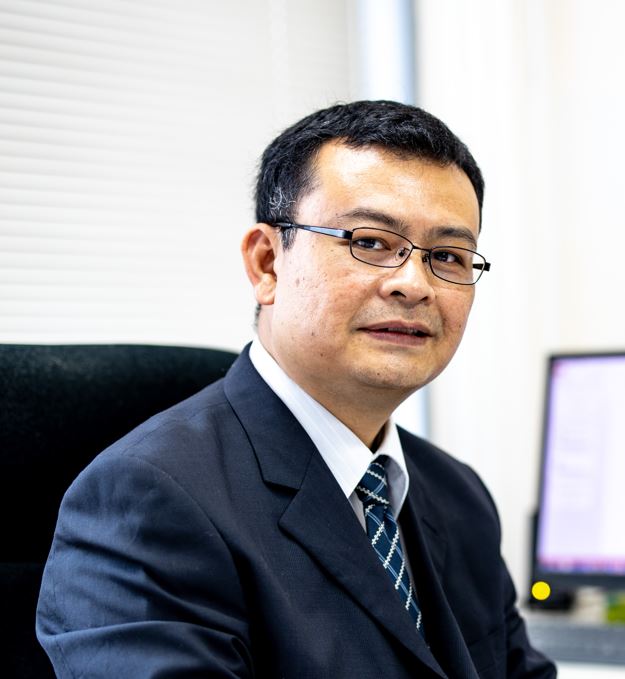
SESSION 14 SPEAKER
Dr. Dony Dahana Wirawan
Osaka University
JAPAN
“Impact Health Claims on New Product Diffusion and Lifetime: A Quasi-Experimental Study”
BIOGRAPHY
Wirawan Dony Dahana
Professor of Marketing
Graduate School of Economics, Osaka University
1-7 Machikaneyama, Toyonaka, Osaka, Japan
Tel: +81-6-6850-5241
Education
2001
Bachelor of Arts, Economics
Faculty of Economics, Tohoku University
2003
Master of Arts, Management
Graduate School of Economics and Management, Tohoku University
2006
Doctor of Philosophy, Management
Graduate School of Economics and Management, Tohoku University
Dean Academic Achievement Award
Work Experience
April 2006 to November 2013
Assistant Professor of Marketing
Graduate School of Economics, Osaka University
December 2013 to January 2019
Associate Professor of Marketing
Graduate School of Economics, Osaka University
February 2019 to present
Professor of Marketing
Graduate School of Economics, Osaka University
Research Interests
Marketing Model, Marketing Science, International Business and Marketing, Consumer
Behavior, Statistics, Econometrics, Consumer Psychology, Electronic Commerce.
Research and Publications
1. Zhou, J., Sakiyama, R., Ye, M., & Dahana, W. D. (2025). Impact of online food
delivery usage on switching costs, variety seeking and marketing exposure. British
Food Journal, In press.
2. Dahana, W. D., Igarashi, M., Sakiyama, R., & Zhou, J. (2024). Impact of on-topic
and off-topic discussions on member participation and contribution in a commonidentity online community. Telematics and Informatics Reports, 16, 100172.
3. Baumann, C., Knowles, J., Timming, A. R., Price, D. P., Dahana, W.
← Back to Speaker CV
Impact health claims on new product diffusion and lifetime: A quasi-experimental study
Wirawan Dony Dahana
In many industries, marketers use health claims to communicate the functional benefits of their products. This marketing communication tactic has been shown to induce favorable consumer attitudes and product evaluation, eventually increasing firm revenues. However, how health claims influence the performance of new products remains unclear. This study aims to empirically examine the effect of health claims on new product diffusion and lifetime. We develop a bivariate survival model with copula to capture the effect and estimate it using transaction data of new beverage products launched during a period of six years. The results reveal that health claims can accelerate the timing of new products to takeoff. However, the effect is greater for large category products and smaller for low-share brands. Furthermore, health claims do not appear to extend new product lifetime, except for brands with a large market share. These findings provide critical insights into how health claims can accelerate the acceptance of new products. Our study can also help firms predict the success of new product introduction.
Keywords — Health claims, new product, low-share brands, consumer attitude, marketing communication
← Back to Session 14

SESSION 14 SPEAKER
Dr. Hemakumar
Dayananda Sagar College of Engineering
INDIA
“Bioinformatics Analysis of Genes Responsible for the Diseases Such as Breast Cancer, Lupus and Gonorrhoea”
BIOGRAPHY
Dr. Hema Kumar Chandru has his expertise in evaluation and passion in improving the health and wellbeing. He has expertise in molecular regulation of genes and cell signalling studies that is protein- protein interactions in diseases like breast cancer and inflammatory diseases. He has worked in the area for more than 25 years at well reputed Universities and Research Institutions such as University of Texas Health Science Center at Tyler, Texas, USA, Oklahoma Medical Research Foundation, USA, Oklahoma State University, USA, Chonnam National University, South Korea, JSS Pharmacy College, India, and CSIR-CFTRI, India. Currently serving as an Associate Professor, at Dayananda Sagar College of Engineering, Bangalore India, working on Nutraceuticals and formulations of food for the prevention, good health and wellbeing. He has more than 30 research publications in well reputed and peer reviewed journals.
← Back to Speaker CV
Bioinformatics Analysis of Genes Responible for the Diseases such as Breast Cancer,
Lupus and Gonorrhea Hema Kumar Chandru*, Ravindranath BS, Dario C Ramirez
Dayananda Sagar College of Engineering, (Affiliated to Visveshwarayya Technological University, Belagavi), Shavige Malleshwara Hills, Kumara Swamy Layout, Bangalore-560111, India. Email: hemash2001@yahoo.co.in, hemakum2014@gmail.com Abstract: Cancer is one of the most life-threatening diseases affecting both males and females, and there are about 19.3 million new cases reported by the GLOBOCAN in the year 2020. Human heparan sulfatase-2 (HSULF-2) is an oncoprotein overexpressed in the surface of all types of tumor cells and its activity plays a critical role in cancer survival and progression. Our previous studies have shown that bael fruit extract, containing marmesin and marmelosin, inhibits the HSULF-2 activity and kills breast tumor cells, but the mechanism of these processes remains fairly known mainly because the HSULF-2’s 3D structure is partially known. Herein, we aimed at providing an in silico molecular mechanism of the inhibition of human HSULF-2 by phytochemicals from bael fruit extract. Pharmacokinetic parameters of the main phytochemicals contained in the bael fruit extract, sequence-based 3D structure of human HSULF-2, and the interaction of bael fruit’s phytochemicals with the enzyme active site was modelled, evaluated, and verified. Docking studies revealed marmesin and marmelosin as potential inhibitors with binding score -8.5 and -7.7 Kcal/mol; these results were validated using molecular dynamics simulations, which exhibited higher stability of the protein-ligand complexes. Taking together, with our earlier in vitro data, our computational analyses suggest that marmesin and marmelosin interact at the active site of HSULF-2 providing a potential mechanism for its inhibition and consequent antitumor activity by phytochemicals contained in the bael fruit extract. Bioinformatics tool that we have used in for the study is Neisseria gonorrheae, the causative agent of genitourinary infections, which has been associated with asymptomatic or recurrent infections and has the potential to form biofilms and induce inflammation and cell transformation. Herein, we aimed to use computational analysis to predict novel associations between chronic inflammation caused by gonorrhea infection and neoplastic transformation. Prioritization and gene enrichment strategies based on virulence and resistance genes utilizing essential genes from the DEG and PANTHER databases, respectively, were performed. Using the STRING database, protein‒protein interaction networks were constructed with 55 nodes of bacterial proteins and 72 nodes of proteins involved in the host immune response. MCODE and cytoHubba were used to identify 12 bacterial hub proteins (murA, murB, murC, murD, murE, purN, purL, thyA, uvrB, kdsB, lpxC, and ftsH) and 19 human hub proteins, of which TNF, STAT3 and AKT1 had high significance. The PPI networks are based on the connectivity degree (K), betweenness centrality (BC), and closeness centrality (CC) values. We have used bioinformatic tools for the study of Systemic lupus erythematosus (SLE or lupus) which is a clinically heterogeneous, systemic autoimmune disease affecting 2 million people in the USA, about 90% of whom are women. The profound morbidity and mortality of SLE stem from chronic inflammation and multiple organ damage. Because lupus patients have weakened immune systems from standard immunosuppressant, treatment and immune dysregulation, infection is a leading cause of morbidity and mortality, accounting for more than 25% SLE-related deaths.
Keywords — Breast cancer, Lupus, Gonorrhea, Beal fruit extract, Marmesin, Marmelosin.
Room 3Food Safety and Health
← Back to Index
Food Safety and Health
Dr. Marc Diederich, Dr. Perry Ng
TimeSpeakerTitle
點擊任一列,即可查看該講者完整 CV 與摘要 · Click any row to view the speaker's full CV and abstract
← Back to Session 15

SESSION 15 SPEAKER
Dr. Marc Diederich
Seoul National University
KOREA
“Rewiring Autophagy and Mitochondrial Signaling to Overcome Therapy Resistance”
BIOGRAPHY
Biography not provided by speaker.
← Back to Speaker CV
Rewiring Autophagy and Mitochondrial Signaling to Overcome Therapy Resistance
Marc Diederich
Research Institute of Pharmaceutical Sciences & Natural Products Research Institute, College of Pharmacy, Seoul National University, Seoul, 08826, Republic of Korea. E-mail: marcdiederich@snu.ac.kr
Therapy-refractory chronic and acute myeloid leukemias (CML, AML) are driven by metabolically adaptable leukemia stem cells (LSCs) that evade treatments by tyrosine-kinase inhibitors (TKIs) and genotoxic drugs. Studies combining transcriptomics and functional profiling reveal two key survival pathways: (i) high oxidative phosphorylation (OXPHOS) and mitochondrial dynamics, and (ii) pro-survival autophagy. In CML, LSCs exhibit elevated SIRT1/2 activity [1], PARP1 overexpression [2], and DNA repair defects, along with increased OXPHOS and reduced innate immunity. Targeting these pathways with the methylated indolequinone MAC681 disrupts mitochondrial function, induces PARP1 cleavage, and triggers necroptotic, immunogenic cell death, which is enhanced by the BCR-ABL1 inhibitor asciminib. Network analysis indicates that persistent autophagy contributes to resistance; combining HDAC6 inhibitors (compound 7b [3] or ricolinostat) with BCR-ABL1 inhibitors disrupts beclin-1 modification, destabilizes autophagy, and triggers apoptosis both in vitro and in vivo. In AML, the mitochondrial fusion protein OPA1 is overexpressed in high-risk cases. The agent TMQ0153, a tetrahydrobenzimidazole, reduces OPA1 and MFN2 levels, fragments mitochondria, shifts metabolism toward glycolysis, and induces ROS-dependent, caspase-mediated cell death [4]. In mouse models, TMQ0153 improves survival when combined with standard therapies. Overall, targeting autophagy, sirtuin-driven OXPHOS, and mitochondrial quality control hampers the metabolic support for leukemia stem cells. Combining inhibitors can induce immunogenic death, eliminate resistant clones, and potentially convert non-inflamed leukemias into ones responsive to immune therapies. [1] Dual inhibition of sirtuins 1 and 2: reprogramming metabolic energy dynamics in chronic myeloid leukemia as an immunogenic anticancer strategy, Cancer Commun (Lond) 44 (8) (2024) 915–920. [2] Antileukemic potential of methylated indolequinone MAC681 through immunogenic necroptosis and PARP1 degradation, Biomark Res 12 (1) (2024) 47. [3] The HDAC6 inhibitor 7b induces BCR-ABL ubiquitination and downregulation and synergizes with imatinib to trigger apoptosis in chronic myeloid leukemia, Pharmacol. Res. 160 (2020) 105058. [4] Tetrahydrobenzimidazole TMQ0153 targets OPA1 and restores drug sensitivity in AML via ROS-induced mitochondrial metabolic reprogramming, J Exp Clin Cancer Res 44 (1) (2025) 114.
← Back to Session 15
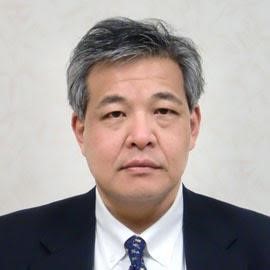
SESSION 15 SPEAKER
Dr. Takuya Sugahara
Ehime University
JAPAN
“The Anti-Inflammatory Effects of Isocoronarin D on LPS-Stimulated Macrophages”
BIOGRAPHY
Biography not provided by speaker.
← Back to Speaker CV
The Anti-inflammatory effects of isocoronarin D on LPS-stimulated macrophages
Takuya Sugahara1,2, Kazushi Nakagawa1, Momoko Ishida1,2, Kosuke Nishi1,2,3, Hisashi Nishiwaki1,2, Nanami Yoshino4 and Hiroyuki Onda4
1Graduate School of Agriculture, Ehime University, Matsuyama, Japan 2Food and Health Function Research Center, Ehime University, Matsuyama, Japan 3The United graduate School of Agricultural Sciences, Ehime University, Matsuyama, Japan 4S&B FOODS INC.
Abstract Previous studies revealed that one of the active compounds responsible for the anti-inflammatory effects of cardamom ethanol extract is isocoronarin D, a labdane-type diterpene. In this study, we aimed to investigate the anti-inflammatory effects of isocoronarin D on inflammation-induced macrophages and to elucidate its underlying mechanism of action. Inflammatory responses of macrophages are induced via Toll-like receptors (TLRs). Lipopolysaccharide (LPS), a component of the outer membrane of Gram-negative bacteria, is a well-known inflammatory stimulus that activates inflammatory responses through TLR4. Mice macrophage cell line RAW264.7 cells were treated with isocoronarin D simultaneously with LPS, and the effects of isocoronarin D on the production of inflammatory mediators such as IL-6, TNF-α and MCP-1 were evaluated. As a result, isocoronarin D suppressed the production of inflammatory mediators by LPS-stimulated RAW264.7 cells in a dose-dependent manner without cytotoxicity through the downregulation of inflammation-related gene expression. Moreover, pretreatment with isocoronarin D resulted in a stronger inhibitory effect compared with simultaneous administration. Isocoronarin D exerted its anti-inflammatory effects by inhibiting the MAPK pathway and the nuclear translocation of NF-κB, while not affecting phagocytic activity. It is suggested from in silico docking analysis that isocoronarin D has high binding affinity than that of lipid A of LPS. It was supposed from these findings that isocoronarin D exerts anti-inflammatory effect by acting as an antagonist of TLR4. Furthermore, isocoronarin D also exhibited concentration-dependent anti-inflammatory effects against PGN-induced inflammation mediated via TLR2, again through downregulation of inflammation-related gene expression, suggesting that isocoronarin D exerts anti-inflammatory effects against multiple inflammatory stimuli.
Keywords — Macrophage, Isocoronarin D, Anti-inflammation, TLR4 antagonist, TLR2
← Back to Session 15

SESSION 15 SPEAKER
Dr. Richard Khaw
Federation of Institute of Food Science & Technology in ASEAN (FIFSTA)
SINGAPORE
“Singapore Food Toxicology Network: Advancing Precision Health Through New Approach Methodologies”
BIOGRAPHY
Richard Khaw Min Cheh is a regional recognized leader in food safety management, laboratory accreditation, and regulatory governance, with more than 25 years of experience shaping standards and policy across ASEAN and internationally.
He is the President of the Federation of Institute of Food Science & Technology in ASEAN (FIFSTA) and Immediate Past President of the Singapore Institute of Food Science & Technology (SIFST), while also serving on the Board of Directors of the International Union of Food Science & Technology (IUFoST). In these roles, Richard champions defensible nutrition claims, regulatory harmonization, and capacity building for future leaders across the region.
A trusted advisor to government agencies and standards councils, Richard has played pivotal roles in ISO17025 accreditation, CODEX representation, and the development of food safety standards. His career spans leadership positions at Nanyang Polytechnic, where he directed the Food Safety Centre and industry innovation clusters, and at ALS Technichem, overseeing GMP testing facilities and QA systems.
Richard’s contributions have been recognized with numerous awards, including the Honorary Doctorate in Food Safety & Food Science (2025), the Singapore Standards Council Commendation Award (2022), and multiple distinctions from the Singapore Accreditation Council (SAC-SINGLAS).
← Back to Speaker CV
Singapore Food Toxicology Network: Advancing Precision Health Through New Approach Methodologies
Richard Khaw Min Cheh
President, Federation of Institutes of Food Science & Technology in ASEAN (FIFSTA) Immediate Past President, Singapore Institute of Food Science & Technology (SIFST)
Abstract: The future of food safety and toxicology is being reshaped by predictive, human-relevant science that supports precision health. Singapore has taken a pioneering step with the establishment of the Singapore Food Toxicology Network (SFTN), a national initiative led by the Singapore Food Agency (SFA), the Agency for Science, Technology and Research (A*STAR) Singapore, and the National University of Singapore (NUS), with the Singapore Institute of Food Science & Technology (SIFST) serving as the coordinating and secretariat body. This collaborative platform represents a national commitment to advancing New Approach Methodologies (NAMs) in food toxicology, aligning with global efforts to reduce reliance on animal testing while enhancing scientific rigor and ethical standards. NAMs encompass innovative tools such as in vitro assays, computational toxicology, high-throughput screening, and omics-based approaches. These methodologies provide mechanistic insights into toxicological endpoints, enabling faster, more cost-effective, and more human-relevant risk assessments of food ingredients, contaminants, and emerging hazards. By integrating NAMs into regulatory science, Singapore is building capacity for more predictive and harmonized food safety frameworks that directly support public health. This presentation will highlight the strategic role of SFTN in fostering collaboration among regulators, academia, and industry. Case studies will illustrate how NAMs are being piloted and validated in Singapore, from cell-based assays for genotoxicity to computational exposure modeling. These efforts demonstrate not only scientific innovation but also regulatory foresight, ensuring Singapore remains aligned with international standards while contributing to ASEAN and global harmonization. Importantly, the talk will connect NAMs to the broader mission of precision health. By generating data that reflects human biology more accurately, NAMs improve risk prediction and support personalized nutrition and health protection strategies. This convergence of food toxicology and precision health underscores the transformative potential of NAMs in safeguarding consumers while enabling innovation in food systems. Through the lens of the Singapore Food Toxicology Network, this session will invite dialogue on how national and regional collaborations can accelerate the adoption of NAMs, bridge regulatory gaps, and contribute to a global paradigm shift in food safety and health protection.
Keywords — Food Toxicology, New Approach Methodologies (NAMs), Precision Health, Singapore Food Toxicology Network (SFTN), Regulatory Science, Risk Assessment, ASEAN Harmonization
← Back to Session 15
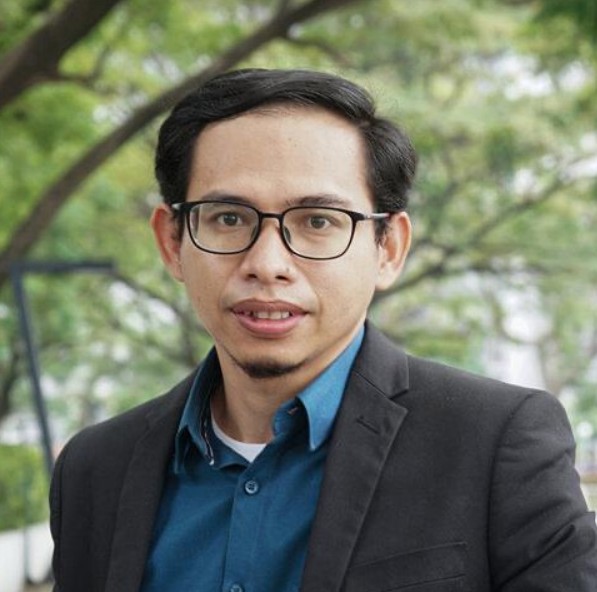
SESSION 15 SPEAKER
Dr. Wahyudi David
Universitas Bakrie
INDONESIA
“From Food Processing to Precision Health: Balancing Bioactive Potential and Sensory Acceptance in Organic Rice”
BIOGRAPHY
Dr. agr. Wahyudi David
Universitas Bakrie, Indonesia
Dr. agr. Wahyudi David is a food scientist and researcher at Universitas Bakrie, Indonesia,
specializing in organic food quality, sensory evaluation, and food culture. He earned his
Bachelor’s degree in Agricultural Technology from Universitas Andalas in 2005, an M.Sc. in
Organic Agriculture from the University of Kassel, Germany, in 2008, and a doctoral degree (Dr.
agr.) in Organic Food Quality and Food Culture from the University of Kassel in 2011. He has
been a faculty member at Universitas Bakrie since 2013 and chairperson of the Indonesia
Sensory Association (2023-2026). His research focuses on understanding food quality from a
multidisciplinary perspective, integrating food science, sensory perception, consumer
behavior, nutrition, food culture, and sustainability. His recent research includes work on
organic food systems and their contribution to healthy food systems. Dr. David has
published more than 100 scientific papers and has research expertise spanning organic food
quality, sensory science, food culture, and food systems. His academic work links to health and
well-being, particularly through research on healthy dietary patterns, functional and processed
foods, food quality, consumer food choices, and sustainable food systems that can support
healthier populations.
← Back to Speaker CV
From Food Processing to Precision Health: Balancing Bioactive Potential and Sensory Acceptance in Organic Rice
Wahyudi David
Food Science and Technology Department, Universitas Bakrie, Indonesia
wahyudi.david@bakrie.ac.id Abstract Precision health increasingly recognizes that health-promoting food choices depend on the interaction between nutritional characteristics, processing, sensory responses, and individual perceptions. This study synthesizes evidence from two investigations of organic rice to explore how processing and nutrition communication may contribute to a precision nutrition approach. The first study evaluated organic rice subjected to different milling durations (0–120 s), demonstrating that increased milling progressively increased whiteness and sensory preference but significantly reduced total phenolic compounds, flavonoids, and dietary fibre. Unmilled brown rice therefore retained substantially greater bioactive potential, whereas intensively milled rice was more favourably perceived. The second study examined whether nutritional information could modify sensory perceptions of organic brown and polished rice. Among informed participants, differences in colour and texture between brown and polished rice were no longer significant, whereas uninformed participants rated brown rice less favourably for these attributes. Together, these findings highlight a critical precision-health challenge: processing can improve immediate sensory acceptance while simultaneously reducing food components associated with nutritional and functional value. Conversely, targeted nutritional information may help align consumer perception with the health value of less-processed foods. These findings support an integrated precision nutrition framework in which processing intensity, bioactive composition, sensory characteristics, and nutrition communication are jointly considered when designing healthier dietary options.
Keywords — Precision nutrition; Organic rice; Bioactive compounds; Sensory perception
← Back to Session 15
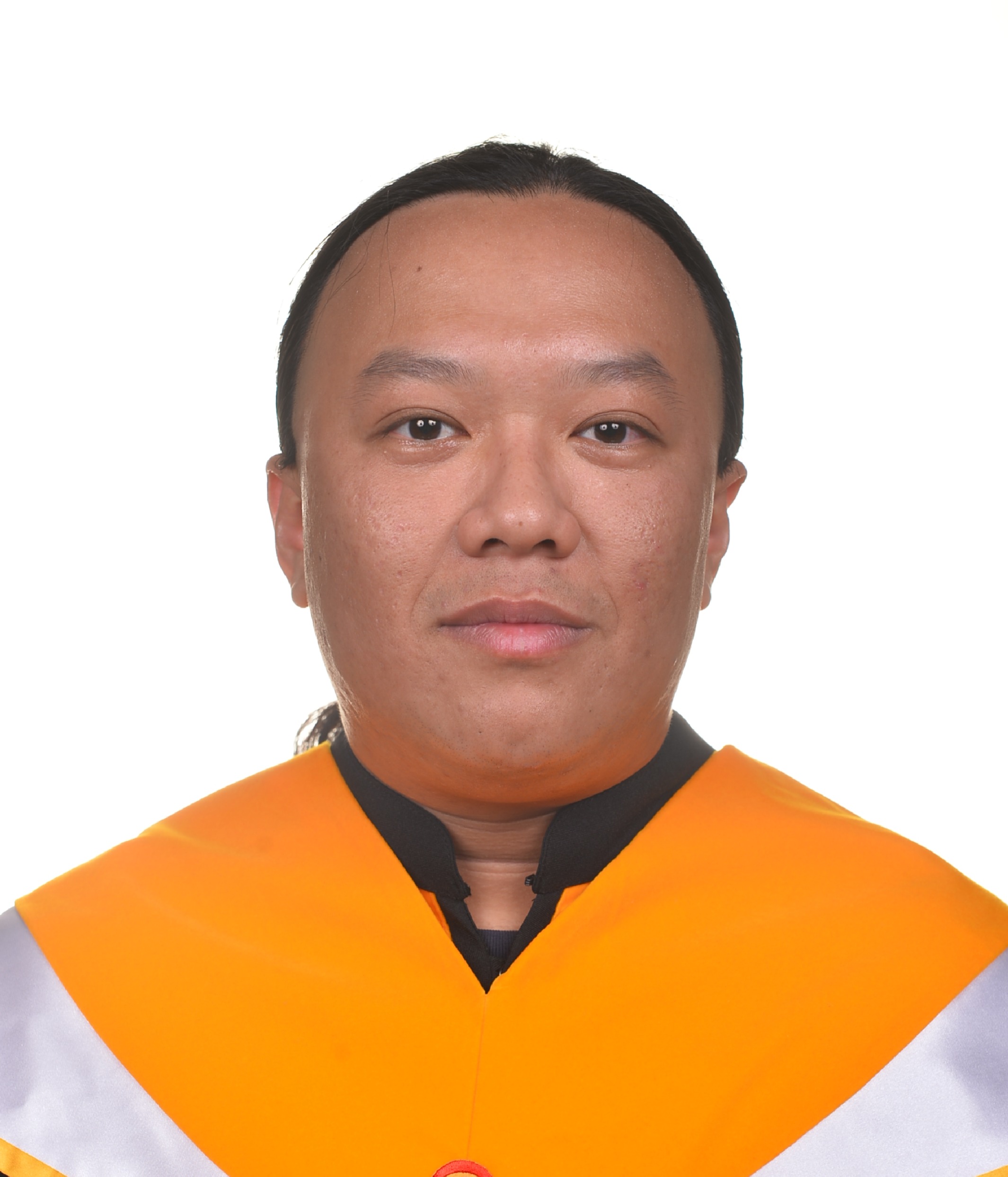
SESSION 15 SPEAKER
Dr. Yohanes Tandoro
Widya Mandala Catholic University Surabaya
INDONESIA
“Indonesia Local Plant Bioactivity, Toxicity, and Bioavailability Prediction by Using In Silico Method and Its Application on Health”
BIOGRAPHY
Yohanes Tandoro, S.T.P., Ph. D.
Lecturer ǁ Indonesia
Education:
Doctoral degree (2022-2025):
• Chung Shan Medical University,
Taichung City, Taiwan
• Major: Nutrition
Master degree (2020-2022):
• Chung Shan Medical University,
Taichung City, Taiwan
• Major: Nutrition
Bachelor degree (2013-2017):
• Widya Mandala Catholic University Surabaya,
Surabaya, Indonesia
• Major: Food Technology
Work Experience:
1. Teaching Assistant
Faculty of Agricultural Technology, Widya Mandala Catholic University Surabaya,
Surabaya, Indonesia
2. Lecturer
Faculty of Agricultural Technology, Widya Mandala Catholic University Surabaya,
Surabaya, Indonesia
Publication:
1. Tandoro, Y., Chiu, H., Shen, Y., Tsou, S., Lin, C., & Wang, C. (2025). Neuroprotective Effects
of Black Raspberry Extract Against β‐Amyloid‐Induced Cytotoxicity in HT‐22 Cells. Food
Science & Nutrition, 13(9). https://doi.org/10.1002/fsn3.70840
2. Tandoro, Y., Chiu, H.-F., Tan, C.-L., Hsieh, M.-H., Huang, Y.-W., Yu, J., Wang, L.-S., Chan,
C.-H., & Wang, C.-K. (2025). Black raspberry supplementation on overweight and Helicobacter
pylori infected mild dementia patients a pilot study. Npj Science of Food, 9(1).
https://doi.org/10.1038/s41538-024-00356-w
3. Chiu, H., Golovinskaia, O., Tandoro, Y., Wang, L., & Wang, C. (2024). Black raspberry extract
stimulates glucose uptake via adenosine monophosphate‐activated protein kinase and
phosphatidylinositol‐3 kinase pathways in skeletal muscle cells. EFood, 5(5).
← Back to Speaker CV
Indonesia local plant bioactivity, toxicity, and bioavailability prediction by using in silico method and its application on health Yohanes Tandoroa*; Maria Matoetina Suprijonoa
Widya Mandala Surabaya Catholic University, Indonesia *yohanes_tandoro@ukwms.ac.id
Abstract Indonesia is known for its diverse variety of local plants that have already been used for a long time. These plants contain diverse bioactive compounds with different activities and efficacy. A high number of medicinal plants gives us a lot of opportunity to use them in research for functional food development, but it will take a long time to assess all the bioactive compounds and determine their functional ability. Another challenge to conducting the research is the limited resources and their high cost, which also affect the research progress. The in-silico method is a computer-based research method to simulate biological processes using a combination of computer prediction and big data. In general, this method was used for metabolism (absorption, distribution, metabolism, excretion), toxicity prediction, drug and therapeutic discovery. Through this study, we would like to assess different kinds of local plants to know their potential as natural supplements or drugs and their effect on human health, especially degenerative diseases. According to previous research, the in-silico result can be used to determine the toxicity and bioavailability of the bioactive substance when incorporated in a food product. It can be used to determine the dose in a food product that is still recognized as a safe dose and gives a health benefit effect. But the use of the in-silico method still needs to be done together with several other measurements to give more concrete evidence about the bioactivity.
Keywords — In silico; bioactive compound, availability, toxicity
← Back to Session 15

SESSION 15 SPEAKER
Dr. Gokare Ravishankar
Dayananda Sagar University
INDIA
“Unravelling the Multifarious Biological Activities of Decalepis Hamiltonii and Strategies for Sustainable Utilization for Human Health”
BIOGRAPHY
Shiva Shankaran Chettiar Ph.D
• Doctorate from Gujarat University
• Worked in national and international lab of repute
like CCMB and Nebraska Medical Centre, USA,
William Beaumount Medical Institute, Detroit.
• Published over 45 high impact research publications
• Availed international distinguished awards from
ARVO, ASHG, HS foundation, ESHG,etc.
• Visiting faculty and mentor in four national university
• Have more than 8 designs and IPR for credit in microarray and NGS
• Founded GeneXplore Diagnostics and Research Centre Pvt. Ltd. and nine other
companies (Medisquare, Anagram ATGC, Crisptales, Swaja diagnostics,etc. )
• Consultant in IIPH, B J Medical College and Indian Red Cross
• PI and Co-PI in 8 national and international research project on Genomics
© 2016 GENXPLORE
← Back to Speaker CV
Unravelling the Multifarious Biological Activities of Decalepis Hamiltonii and Strategies for Sustainable Utilization for Human Health
Dr. Gokare Ravishankar
Dayananda Sagar University, India
Full abstract text was not available in the submitted materials. Please refer to the talk title above, or contact the speaker directly.
Room 4Phytotherapy/Pharmacology
← Back to Index
Phytotherapy/Pharmacology
Dr. Chia-Jui Weng, Dr. Dae Young Kwon
TimeSpeakerTitle
點擊任一列,即可查看該講者完整 CV 與摘要 · Click any row to view the speaker's full CV and abstract
← Back to Session 16
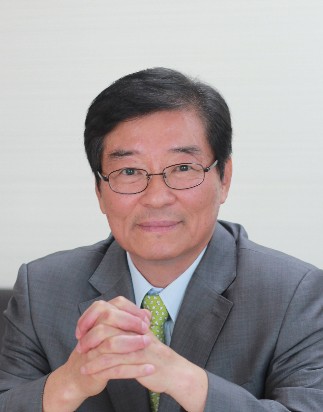
SESSION 16 SPEAKER
Dr. Hun Taeg Chung
Daegu Haany University
KOREA
“PERK Activation by Carbon Monoxide Sensitizes Cancer Cells to Ferroptosis and Suppresses Tumor Growth”
BIOGRAPHY
Hun Taeg Chung M.D. Ph.D.
Education
1981-1985: Ph.D. Chonbuk National University (Immunology)
1979-1981: M.Sc. Chonbuk National University (Immunology)
1970-1976: B.Sc.
← Back to Speaker CV
PERK Activation by Carbon Monoxide Sensitizes Cancer Cells to Ferroptosis and Suppresses Tumor Growth
Yeonsoo Joe1, Thu-Hang Thi Nghiem2, and Hun Teag Chung1
1College of Korean Medicine, Daegu Haany University, Gyeongsan 38610, Republic of Korea
Corresponding author: Hun Taeg Chung, chunght@dhu.ac.kr Ferroptosis is an iron-dependent form of regulated cell death characterized by excessive lipid peroxidation and has emerged as a promising therapeutic strategy for cancer treatment. However, the molecular mechanisms linking endoplasmic reticulum stress to ferroptosis remain incompletely understood. Here, we investigated whether carbon monoxide (CO), an endogenous gaseous molecule generated by heme oxygenase-1 (HO-1), enhances ferroptosis through PERK signaling. CO induced mitochondrial reactive oxygen species (ROS) generation, leading to robust PERK activation in a dose-dependent manner. Consequently, CO markedly sensitized cancer cells to ferroptosis induced by erastin or cysteine deprivation. Mechanistically, CO treatment increased lipid peroxidation and PTGS2 expression while reducing the expression of the ferroptosis-protective proteins GPX4 and SLC7A11. CO also promoted DRP1 phosphorylation, resulting in mitochondrial elongation. Importantly, pharmacological inhibition of PERK with GSK2606414 largely abolished these effects, demonstrating that PERK activation is essential for CO-mediated ferroptosis sensitization. To evaluate the therapeutic potential of this mechanism, we employed a B16F10 melanoma model. CO gas inhalation significantly enhanced the antitumor efficacy of erastin, leading to greater suppression of tumor growth than either treatment alone, consistent with enhanced ferroptotic cell death in vivo. Collectively, these findings identify PERK as a critical regulator of CO-mediated ferroptosis sensitization and demonstrate that activation of the PERK pathway enhances the therapeutic efficacy of ferroptosis-based cancer treatment. Our study suggests that CO may serve as a promising adjuvant strategy for improving anticancer therapies targeting ferroptosis. Key words: Carbon Monoxide, PERK, Ferroptosis, Melanoma, Erastin
← Back to Session 16
SESSION 16 SPEAKER
Ms. Hsiang-Yu Lai
Hualien District Agricultural Research and Extension Station
TAIWAN
“Effects of Thermosonication Extraction Time on the Quality of Dried Grass Jelly”
BIOGRAPHY
Biography not provided by speaker.
← Back to Speaker CV
Effects of Thermosonication Extraction Time on the Quality of Dried Grass Jelly
Hsiang-Yu Lai1, Bo-Han Chen
Crop Environment Division, Hualien District Agricultural Research and Extension
Station, Ministry of Agriculture, Taiwan
Abstract: This study investigated the comprehensive effects of different thermosonication extraction times (20 to 60 minutes) on the bioactive components, CIE L* a* b* color parameters, and physicochemical properties of dried grass jelly (Platostoma palustre). The experimental results demonstrated that extraction time had a significant effect on various indicators: in terms of bioactive properties, total phenolic content (TPC) and total flavonoid content (TFC) peaked at 50 minutes of extraction (83.77 µg gallic acid equivalent/g and 56.85 µg quercetin equivalent/g, respectively), whereas extraction for 30 minutes exhibited excellent comprehensive performance, yielding the highest polysaccharide content (15.80 µg/g), with its TPC (53.21 µg gallic acid equivalent/g) and TFC (22.38 µg quercetin equivalent/g) also being significantly higher than at most other time points. Regarding color characteristics, lightness (L* value) showed an overall increasing trend with prolonged extraction time (reaching up to 74.47), while a* and b* values exhibited significant fluctuations. In terms of physicochemical properties, pH values remained stable, while soluble solids content maintained higher levels (approximately 1.5 °Brix) at 20 and 30 minutes before gradually decreasing. In conclusion, properly controlling thermosonication parameters can effectively balance polysaccharide accumulation and active component extraction while reducing processing time, providing an important scientific basis for the development of functional foods and beverages.
Keywords — Bioactive compounds, Dried grass jelly, Thermosonication extraction.
← Back to Session 16

SESSION 16 SPEAKER
Dr. Diana Lo
Bina Nusantara University
INDONESIA
“In Vitro Evaluation of the Antihyperglycemic and Antioxidant Properties of Wedang (Traditional Indonesian Herbal Beverages)”
BIOGRAPHY
Ir. Diana Lo, STP, MSc, PhD, IPM
Associate Professor in Food Technology
Kalideres, Jakarta Barat
diana.lo@binus.edu
+62-81318866895
Expertise area:
•
•
•
•
Low sugar & salt food
innovation
Anti-hyperglycemic activity
from herb and spices
Statistical approach for
sensory analysis
Accreditation specialist
Educations
• PhD Study in Department of Food Science, National Pingtung University of
Science and Technology (Score: 93.89 out of 100)
• Master Study in Department of Tropical Agriculture and International
Cooperation, National Pingtung University of Science and Technology, majored
in Food Science (Score: 92.56 out of 100)
• Undergraduate in Department of Food Science and Technology, Bogor
Agricultural University, minored in Agribusiness (GPA 3.84 out of 4.00, Cum
Laude)
Technical skills:
Publications (h-index Google Scholar 10; Scopus: 7)
•
•
•
•
•
•
•
Plant-based Food Innovation
Statistics in Food Technology
Food Safety Management
Sensory Analysis
Food Chemistry and Analysis
Shelf-life determination
Soft skills:
•
•
•
•
Leadership
Analytical thinking
Problem solving
Creativity
•
•
•
•
languages:
•
•
•
•
Indonesian
English
Chinese
Hokkian dialect
•
Linggo, G., Phothisoot, T., Kongpichitchoke, T., Lo, D. “Utilization of Fructoseoligosaccharides as Sugar Substitute in Marshmallow and its Effect on the
Physicochemical and Consumer Acceptance” IOP Conference Series: Earth and
Environmental Science, 1449, 2025.
Michelle, Lo, D., and R. Indrawanto.
← Back to Speaker CV
In vitro evaluation of the antihyperglycemic and antioxidant properties of wedang (traditional Indonesian herbal beverages)
Nathania Adlyn1, Audric Alexis Candra1, Rizna Triana Dewi2, and Diana Lo1
1Department of Food Technology, Faculty of Engineering, Bina Nusantara University, Jakarta, 11480, Indonesia 2Centre for Research on Medical Ingredients and Traditional Medicine, National Research and Innovation Agency, Banten, 15314, Indonesia
Abstract Diabetes mellitus caused by the body's inability to maintain homeostasis of blood glucose levels. However, because the use of diabetes drugs causes various side effects, alternative treatments are needed. Wedang is a type of drink that can be a source of antioxidants and antihyperglycemic agents due to its phytochemical content. The purpose of this study was to analyze and compare the variations in wedang in terms of antioxidant and antihyperglycemic activity. The methods used in this analysis were pH, color, total phenolic components, total flavonoid components, and free radical scavenging activity (ABTS), α-glucosidase and α-amylase inhibitions. The results showed that wedang telang and kunir asam have the lowest pH indicating high acidity. The highest phenolic and flavonoid content found in jahe rempah due to its high ginger content. While the highest free radical scavenging activity found in bir pletok. The highest α-glucosidase and α-amylase inhibition found in bajigur. Wedang exhibits promising antihyperglycemic potential, warranting further in vivo investigations to validate its efficacy as a functional antihyperglycemic beverage.
Keywords — wedang, indonesian traditional beverages, anti-hyperglycemic activity, antioxidant activity, functional drink
← Back to Session 16
SESSION 16 SPEAKER
Dr. Dae Young Kwon
Institute of Food Culture and Science
KOREA
“The Global Fever of K-Food and the Recent Status of Food Research in Korea”
BIOGRAPHY
Dae Young Kwon/PhD
Dae Young Kwon/PhD is a professor of Institute of Food Culture and Science and was a professor at Hoseo University, Korea. He had act as President of Korea Food Research Institute (KFRI), where he has worked almost 35 years. He is a fellow of the Korean Academy of Science and Technology, Seoul, Korea. He obtained his bachelor's degree from Department of Food Science and Engineering at Seoul National University, Seoul, Korea; he received his MS, and PhD degrees from Korea Advanced Institute of Science and Technology (KAIST), Seoul, Korea, in 1986 in the Department of Biological Science and Biotechnology. After completing PhD, he joined Whitehead Institute, Department of Biology, MIT, Cambridge, Massachusetts, as a postdoctoral fellow. His major was food biological science for health functions of Korea traditional foods and now working on humanities of Korean foods in addition. He had programmed a national program for personalized foods based on the genetics and epigenetics with diversity of foods. He is also working as Editor in Chief of the Journal of Ethnic Foods, published by Springer-Nature Publisher. He has published many scientific papers and books. He published a paper on 'Science and philosophy of Korea Tradional Foods' and he is the author of “Humanities of Korean Foods”, and was the editor of “Korea Fermentation Foods' and other books.
← Back to Speaker CV
The Global Fever of K-Food and the Recent Status of Food Research in Korea
Dr. Dae Young Kwon
Institute of Food Culture and Science, Korea
Full abstract text was not available in the submitted materials. Please refer to the talk title above, or contact the speaker directly.
← Back to Session 16

SESSION 16 SPEAKER
Kaustav Majumder
University of Nebraska–Lincoln
UNITED STATES
“From Food to Function: γ-glutamyl Valine Targets the Gut-Systemic Axis in Cardiometabolic Health”
BIOGRAPHY
Bio Sketch: Dr. Kaustav Majumder is an Associate Professor in the Department of Food Science and Technology at the University of Nebraska-Lincoln. He earned his Ph.D. from the University of Alberta, Canada, where he focused on food and cardiovascular health, followed by postdoctoral training at the University of Guelph, Canada, specializing in food allergy and allergenic protein characterization. His lab, FoodBioPep, is dedicated to developing peptide-based functional foods, explicitly targeting the prevention and management of cardio-metabolic disorders. Dr. Majumder has authored over 50 peer-reviewed articles and contributed to 10 book chapters. He has received several prestigious awards, including the Emerging Scientist Award at the 2019 Bioactive Peptide Symposium and the Young Scientist Awards from the American Oil Chemist Society (AOCS) in 2024 and the International Society of Nutraceuticals and Functional Foods (ISNFF) in 2025.
← Back to Speaker CV
From Food to Function: γ-Glutamyl Valine Targets the Gut-Systemic Axis in
Cardiometabolic Health Kaustav Majumder,
Associate Professor, Department of Food Science & Technology, University of
Nebraska–Lincoln γ-Glutamyl valine (γ-EV) is a naturally occurring dietary γ-glutamyl peptide found primarily in fermented foods. Evidence from our studies suggest that γ-EV can influence cardiometabolic health through complementary systemic and gastrointestinal mechanisms. In this presentation, we integrated mechanistic, intestinal transport, and animal studies to define how γ-EV interacts with host signaling and the gut microbiome. In human aortic endothelial cells, γ-EV attenuated TNF-α-induced vascular inflammation, reducing adhesion molecules, cytokines, and chemokines. Pharmacological inhibition of the calcium-sensing receptor (CaSR) diminished these responses, supporting involvement of CaSR-dependent signaling. Intestinal transport studies demonstrated that γ-EV crosses differentiated Caco-2 monolayers in its intact form through both PepT1-mediated and paracellular pathways, establishing its potential for systemic bioavailability. Consistent with these findings, orally administered γ-EV was detected in the circulation of db/db mice and markedly improved glucose homeostasis. Three weeks of γ-EV supplementation reduced fasting blood glucose by 76% and increased hepatic AMPK phosphorylation by 86%. Transcriptomic analyses further identified substantial remodeling of hepatic and jejunal pathways associated with oxidoreductase activity and fatty acid metabolism. The biological activity of γ-EV was also examined in ApoE-/- mice fed an atherogenic diet. Dietary γ-EV reduced aortic lipid deposition and vascular inflammatory markers, including ICAM-1, VCAM-1, and LOX-1. γ-EV also increased Akkermansia muciniphila abundance, which was negatively associated with aortic lipid deposition and vascular inflammation. Direct culture experiments further demonstrated that γ-EV promoted A. muciniphila growth. Collectively, these studies identify γ-EV as a food-derived bioactive peptide capable of acting across the gut-systemic axis. Its intestinal availability, systemic signaling effects, and microbiome interactions provide a mechanistic framework for developing foodderived peptides as precision nutrition strategies for cardiometabolic health.
Room 5Nutrition and Food Science
← Back to Index
Nutrition and Food Science
Dr Kiri Andrew Amegovu, Dr. Liviu Gaceu
TimeSpeakerTitle
點擊任一列,即可查看該講者完整 CV 與摘要 · Click any row to view the speaker's full CV and abstract
← Back to Session 17

SESSION 17 SPEAKER
Dr Kiri Andrew Amegovu
University of Juba
SOUTH SUDAN
“Digital MUAC Tape: To Screen Acute Malnutrition in Children Under Five Years of Age”
BIOGRAPHY
Biography not provided by speaker.
← Back to Speaker CV
Digital MUAC tape: To screen Acute malnutrition in children under five years of age.
Andrew kiri1, Felix Gonda2, Timothy Chewer3, Mariam Nakiwu3, Ronald Adunget3 1University of Juba, South Sudan
2 Havard University-USA 3 Andre Foods International
Abstract: Background: Moderate Acute Malnutrition (MAM) affects an estimated 36 million children under five years globally. Current screening tools include physical MUAC tapes and Weight-for-Height Z-scores (WHZ) and are impeded by operator-dependent measurement error, consumable supply fragility, and paper-based data systems that generate systematic under-detection at community level. Despite a growing body of research applying artificial intelligence and computer vision to anthropometric assessment, no published study has validated a high accuracy smartphone-based deep learning system capable of estimating MUAC in millimeter’s and classifying MAM across a multi-country, multi-ethnic cohort in Sub-Saharan Africa. This gap in the evidence base constitutes the primary scientific motivation for the present study. Objectives: This study aims to: (1) develop and validate a dual-output deep learning model (MobileNetV2 backbone, Attention Mechanism, Contextual Gate, Classification Head, Regression Head) for simultaneous MUAC estimation and MAM/SAM classification from smartphone arm photographs; (2) assess model performance against trained-clinician gold-standard MUAC tape measurement across a 3,000-children; and (3) evaluate the operational feasibility of the Digital MUAC system for community health worker deployment in resource-limited field settings. Methods: A prospective, cross-sectional, multi-site observational study with concurrent ground-truth clinical measurement. Children aged 6–59 months will be enrolled into the study (n=3,000; 50% Normal, 50% MAM). Image acquisition follows a standardized fiducial marker calibration protocol. The dataset is partitioned 80:20 for training and validation. Model performance is evaluated by MAM Recall (≥80%), MUAC Mean Absolute Error (≤2.0 mm), and a zero-tolerance SAM-misclassified-as-Normal safety floor. Preliminary Results: A proof-of-concept pilot (n=551 children, yielded: peak validation accuracy 70%; MAM Recall 74%; SAM Precision 100%; SAM-as-Normal misclassification rate 0%. These results establish proof-of-concept and provide the empirical rationale for the expanded validation study.
Keywords — Moderate Acute Malnutrition, multi-site observational study, children, malnutrition.
← Back to Session 17
SESSION 17 SPEAKER
Dr. Liviu Gaceu
Transilvania University of Brasov
ROMANIA
“Assessing Sustainable Food Behaviour Within Urban Food Systems: A Study Among Romanian University Students”
BIOGRAPHY
Liviu Gaceu is professor of Food engineering, PhD supervisor at Transylvania University of Brasov, Romania. His PhD was in Mechanical Engineering, Computer assisted driving of grains dryers at Transilvania University in 2001. He is engaged in the research area of food processing modeling, subcritical extraction of vegetal bio-compounds, ICT application in agri-food, data management.
He is the current Chair of Romanian Section of European Hygienic Engineering and Design Group, and Romanian Society of for ICT in Agriculture, Food and Environment. He is also member of GHI Romania, B-FOST Romania and Romanian Society of Ecosanogenesis.
He has maintained excellent global presence, teaching across Europe and Asia (Kazakhstan, Rusia etc). He is editor in chief of the “Journal of EcoAgriTourism” and chairing “Ecobiotechnologies and Equipments for Food and Agriculture” research department in the frame of Transilvania University Research Institute.
← Back to Speaker CV
Assessing Sustainable Food Behaviour within Urban Food Systems: A Study among Romanian University Students
Liviu GACEU1,2,3*, Mona Elena POPA4
1 Transilvania University of Brasov, Faculty of Food and Tourism, Eroilor street no. 39, Brasov, Romania 2 CSCBAS&CE-MONT Centre/INCE-Romanian Academy, Casa Academiei Romane, Calea 13 Septembrie no. 13, Bucharest, Romania 3 Academy of Romanian Scientists, Ilfov Street, no. 3, Bucharest, Romania 4. University of Agronomic Sciences and Veterinary Medicine of Bucharest
Abstract The transition toward healthier and more sustainable food systems requires not only structural changes in food supply chains, but also increased consumer awareness and food literacy, particularly among younger generations. Within the framework of the FOODCLIC Project, the Food Sustainability Tool (FST) was developed as a digital instrument designed to evaluate food-related behaviours, sustainability perceptions, and dietary patterns. The present study aimed to assess the level of food sustainability awareness among students from the Faculty of Food and Tourism at Transilvania University of Brașov, Romania, using Version 2 (Advanced Version) of the Food Sustainability Tool. The survey was conducted during the 2025–2026 academic year and included 85 university students enrolled in food science, tourism, and hospitality-related programs. The obtained results indicate moderate awareness regarding sustainable nutrition concepts, but also significant inconsistencies between knowledge and daily dietary practices. Approximately 61% of respondents reported frequent consumption of snacks such as sweets, biscuits, or chips between meals, while 38.3% declared that frying was their preferred cooking method. In contrast, only around 17.3% stated that they regularly consider nutritional or food-quality information obtained through media or educational sources when making food choices. The findings also revealed limited attention to the relationship between nutrition and chronic diseases, with only a minority of participants strongly associating dietary habits with long-term health risks. Regarding food consumption behaviour, students showed greater openness toward local and home-prepared foods, while interest in highly processed or ready-made meals remained relatively limited. The survey also highlighted the importance of family influence and educational background in shaping eating habits and sustainability perceptions. Although respondents demonstrated interest in healthier lifestyles, regular implementation of sustainable dietary practices remained inconsistent. The study confirms the potential of digital sustainability assessment tools in higher education environments, both for research and educational purposes. The integration of the Food Sustainability Tool into university activities may contribute to improving food literacy, promoting healthier dietary behaviours, and supporting future professionals in the development of more sustainable food systems within tourism and hospitality sectors.
← Back to Session 17
SESSION 17 SPEAKER
Dr. Liviu Giurgiulescu
Technical University of Cluj Napoca
ROMANIA
“Ultrasonics Application in Food Technology”
BIOGRAPHY
Liviu Gaceu is professor of Food engineering, PhD supervisor at Transylvania University of Brasov, Romania. His PhD was in Mechanical Engineering, Computer assisted driving of grains dryers at Transilvania University in 2001. He is engaged in the research area of food processing modeling, subcritical extraction of vegetal bio-compounds, ICT application in agri-food, data management.
He is the current Chair of Romanian Section of European Hygienic Engineering and Design Group, and Romanian Society of for ICT in Agriculture, Food and Environment. He is also member of GHI Romania, B-FOST Romania and Romanian Society of Ecosanogenesis.
He has maintained excellent global presence, teaching across Europe and Asia (Kazakhstan, Rusia etc). He is editor in chief of the “Journal of EcoAgriTourism” and chairing “Ecobiotechnologies and Equipments for Food and Agriculture” research department in the frame of Transilvania University Research Institute.
← Back to Speaker CV
Assessing Sustainable Food Behaviour within Urban Food Systems: A Study among Romanian University Students
Liviu GACEU1,2,3*, Mona Elena POPA4
1 Transilvania University of Brasov, Faculty of Food and Tourism, Eroilor street no. 39, Brasov, Romania 2 CSCBAS&CE-MONT Centre/INCE-Romanian Academy, Casa Academiei Romane, Calea 13 Septembrie no. 13, Bucharest, Romania 3 Academy of Romanian Scientists, Ilfov Street, no. 3, Bucharest, Romania 4. University of Agronomic Sciences and Veterinary Medicine of Bucharest
Abstract The transition toward healthier and more sustainable food systems requires not only structural changes in food supply chains, but also increased consumer awareness and food literacy, particularly among younger generations. Within the framework of the FOODCLIC Project, the Food Sustainability Tool (FST) was developed as a digital instrument designed to evaluate food-related behaviours, sustainability perceptions, and dietary patterns. The present study aimed to assess the level of food sustainability awareness among students from the Faculty of Food and Tourism at Transilvania University of Brașov, Romania, using Version 2 (Advanced Version) of the Food Sustainability Tool. The survey was conducted during the 2025–2026 academic year and included 85 university students enrolled in food science, tourism, and hospitality-related programs. The obtained results indicate moderate awareness regarding sustainable nutrition concepts, but also significant inconsistencies between knowledge and daily dietary practices. Approximately 61% of respondents reported frequent consumption of snacks such as sweets, biscuits, or chips between meals, while 38.3% declared that frying was their preferred cooking method. In contrast, only around 17.3% stated that they regularly consider nutritional or food-quality information obtained through media or educational sources when making food choices. The findings also revealed limited attention to the relationship between nutrition and chronic diseases, with only a minority of participants strongly associating dietary habits with long-term health risks. Regarding food consumption behaviour, students showed greater openness toward local and home-prepared foods, while interest in highly processed or ready-made meals remained relatively limited. The survey also highlighted the importance of family influence and educational background in shaping eating habits and sustainability perceptions. Although respondents demonstrated interest in healthier lifestyles, regular implementation of sustainable dietary practices remained inconsistent. The study confirms the potential of digital sustainability assessment tools in higher education environments, both for research and educational purposes. The integration of the Food Sustainability Tool into university activities may contribute to improving food literacy, promoting healthier dietary behaviours, and supporting future professionals in the development of more sustainable food systems within tourism and hospitality sectors.
← Back to Session 17

SESSION 17 SPEAKER
Dr. Chia-Cheng Wei
National Taiwan University
TAIWAN
“Dietary Methylglyoxal Accelerates Alzheimer's Disease Progression During Aging: Evidence From an Alternative Model”
BIOGRAPHY
Biography not provided by speaker.
← Back to Speaker CV
Dietary Methylglyoxal Accelerates Alzheimer’s Disease Progression during Aging: Evidence from an Alternative Model
Chia-Cheng Wei, Ph.D.
Institute of Food Safety and Health, College of Public Health, National Taiwan University, Taipei, Taiwan Department of Public Health, College of Public Health, National Taiwan University, Taipei, Taiwan
Methylglyoxal (MG), a highly reactive dicarbonyl compound generated during food processing and cooking, is a major precursor of advanced glycation end products (AGEs). Elevated MG levels have been associated with neurodegenerative disorders. However, the impact of chronic dietary MG exposure on the progression of Alzheimer’s disease (AD) remains insufficiently understood. In this study, Caenorhabditis elegans was employed as an alternative animal model to investigate the effects of chronic MG exposure on AD-related toxicity, with particular emphasis on the contribution of aging. Long-term exposure to dietary-relevant concentrations of MG significantly impaired locomotor function and accelerated AD-related phenotypes in aged worms. MG exposure promoted amyloid-β (Aβ) accumulation, exacerbated paralysis, and increased susceptibility to serotonin-induced behavioral defects, indicating aggravated neuronal dysfunction. Furthermore, MG elevated intracellular reactive oxygen species (ROS) levels and enhanced Aβ glycation. Mechanistic investigations revealed that MG altered the expression of stress-response genes and disrupted autophagy-related pathways during aging, thereby contributing to impaired clearance of toxic protein aggregates. Notably, treatment with the natural citrus flavonoid nobiletin alleviated MG-induced toxicity and attenuated AD-associated pathological changes. These findings demonstrate that chronic dietary MG exposure can exacerbate AD progression during aging through oxidative stress induction, autophagy disruption, and enhanced Aβ accumulation. The results further suggest that supplementation with natural antioxidants may represent a potential strategy for AD prevention. Additional mechanistic findings and related results will be presented during the talk.
Reference: Wei, C. C.*, et al. (2022). Journal of Agricultural and Food Chemistry, 70(32), 10011-10021.
Keywords — methylglyoxal, Alzheimer’s disease, C. elegans, aging, autophagy
← Back to Session 17
SESSION 17 SPEAKER
Ms. Maja Bensa
University of Ljubljana, Ljubljana
SLOVENIA
“From Kitchen to Public Health: Insights From the Slovenian Consumer Food Safety Study”
BIOGRAPHY
Maja Bensa comes from Ljubljana, Slovenia. She is currently employed as a young researcher at the Faculty of Health Sciences, University of Ljubljana, researching consumer food safety in the scope of her PhD in Food Science in the doctoral study program of Biosciences at the Biotechnical Faculty, University of Ljubljana. She received her Bachelor's degree in Chemistry from the Faculty of Chemistry and Chemical Technology, University of Ljubljana, Slovenia and her Master’s degree in Food safety from the Faculty of Agriculture and Life Sciences, University of Maribor, Slovenia. In 2023 she obtained the Google IT Support - Professional Certificate.
WORK EXPERIENCE: Her scientific experiences were obtained through collaborations with researchers at the National Institute of Chemistry, Laboratory for Food Chemistry in Ljubljana, Slovenia and Jožef Stefan Institute, Department of Environmental Sciences in Ljubljana, Slovenia. But her first professional experience was in the European Parliament in Brussels, Belgium, where she had an internship with the Slovenian Member of the European Parliament. Her interest in helping organizers of scientific events began when she provided technical support for the Slovenian Chemical Society’s event Women sharing a Chemical Moment in Time 2011, which was a part of UNESCO International Year of Chemistry and took place on 18. 1. 2011 in 44 countries. Maja Bensa was a member of organizing committees of five international symposia: 1.
← Back to Speaker CV
From Kitchen to Public Health: Insights from the Slovenian Consumer Food Safety Study
Maja Bensa1,*, Mojca Jevšnik Podlesnik2, Irena Vovk3
1Research Institute of Faculty of Health Sciences, Faculty of Health Sciences, University of Ljubljana, Ljubljana, Slovenia 2Department of Sanitary Engineering, Faculty of Health Sciences, University of Ljubljana, Ljubljana, Slovenia 3Laboratory for Food Chemistry, National Institute of Chemistry, Ljubljana, Slovenia
Foodborne diseases represent a significant burden on public health as they are estimated to affect one in ten people every year globally [1]. Ensuring consumer food safety is an important aspect of preventing foodborne disease. The Slovenian Consumer Food Safety Study aimed to investigate food safety knowledge and attitudes as well as food handling practices, using a mixed methods approach with a validated online questionnaire (n=1621) and focus groups (n=40). Participants were Slovenian consumers aged 18 years and older representing diverse demographic groups with regard to gender, age, and educational level. From grocery shopping and transportation to storing and preparing food, each step in consumers’ everyday food handling requires consumers to help maintain food safety. Consumers handle food in different ways, have different food safety concerns and experiences with foodborne disease. Our findings show there are several food safety challenges in consumer food handling that can contribute to public health risks. Improvements are needed in the use of insulated bags for transporting perishable foods when grocery shopping, understanding date labels and making informed decisions regarding foods past the indicated date, taking better care about temperatures in the cold and hot chain by measuring refrigerator temperatures as and using a food thermometer when cooking, as well as properly storing leftover foods. The study also confirmed the persistence of risky practices such as washing raw meat and poultry before cooking, which may increase the risk of cross-contamination. The findings highlight priority areas for risk communication and behavior-change interventions targeting consumers. The Consumer Food Safety Study provides valuable data for the development of diverse targeted educational activities aimed to enhance consumer food safety knowledge, attitudes and practices in order to address the burden of foodborne disease on public health as well as contribute to solving other complex problems related to food. After all, consumer food safety is not only a public health issue but is also closely connected with sustainability and different food system challenges from ensuring nutritious food to minimizing food waste. Acknowledgments The authors acknowledge the financial support from the Slovenian Research and Innovation Agency (“Young Researchers” program - Maja Bensa, research core funding No. P3-0388 and P1-0005). References: WHO: Foodborne diseases. Available at: https://www.who.int/health-topics/foodborne-diseases#tab=tab_2
Keywords — consumer food safety; foodborne diseases; knowledge, attitudes and practices; cold chain; cross-contamination.
Room 1Functional Foods and Nutraceuticals
← Back to Index
Functional Foods and Nutraceuticals
Dr. Kuan-Chen Cheng; Dr. Hong-Ting Victor Lin
TimeSpeakerTitle
點擊任一列,即可查看該講者完整 CV 與摘要 · Click any row to view the speaker's full CV and abstract
← Back to Session 19
SESSION 19 SPEAKER
Dr. Kuan-Chen Cheng
National Taiwan University
TAIWAN
“Artificial Intelligence Assisted Technology in Precision Fermentation for Functional Foods Development”
BIOGRAPHY
Kuan-Chen Cheng, Professor, Ph.D., IAFoST Fellow
Institute of Food Science & Technology;
Institute of Biotechnology,
401A, Food Science & Technology bldg,
National Taiwan University, Taipei, Taiwan
Website: http://kuanchencheng.wixsite.com/english
Dr. Kuan-Chen Cheng joined the Institute of Food Science and Technology, National Taiwan University, as a faculty member in 2011, after having obtained his PhD in Microbial Engineering at Pennsylvania State University in 2010, followed by one year of postdoctoral training at the University of Arizona at Tucson. Dr. Cheng became a full professor in 2019 and honored an IAFoST fellow in 2024. Dr. Cheng has mentored 7 post-doc fellows, 10 PhD students, and 100+ master students already. The R&D work of his group focuses on three major areas: food biotechnology, renewable biomaterials and precision health. Major areas in which he has been actively involved in recent years include (1) the establishment of food fermentation processes that have assisted the local food industry in producing value-added functional foods; (2) the introduction of novel techniques for the food industry, including cold plasma technology, electrospinning, and microbiome cultivation; and (3) the development of fermented functional foods for aged people. His work has been recognized at an international level as reflected by his publication record of over 160+ SCI-listed journal articles (7,200 citations and h-index of 45) in food-related fields.
← Back to Speaker CV
Artificial intelligence assisted technology in precision fermentation for functional foods development Kuan-Chen (KC) Cheng
Institute of Food Science & Technology, Institute of Biotechnology, National Taiwan University. Email: kccheng@ntu.edu.tw. Abstract Microbial fermentation has long been adopted for value-added products production. To improve production yield and to achieve desired quality of target products. Our group aims to utilize the fermentation experience including bioreactor design, strain selection, and microbiological engineering to enhance the production of value-added products such as antimicrobials, organic acids, polysaccharides, and enzymes. When it comes to food fermentation, we would concentrate on the development of new food ingredients with enhanced health and functional properties. With our experience on fermentation, food chemistry, microbiology, and animal cell culture, I am confident of developing strategic methods for both functional food production and its function evaluation. Our research team has investigated the health effects of fermented foods made from domestic crops while also using artificial intelligence (A.I.) technology in the precision fermentation of bioactive compounds. Current achievements include the physiological effect of allicin in black garlic, study of reduced salt miso and its inhibition on body fat formation, Chenopodium formosanum fermented beverages and their inhibiting roles in PM2.5-induced inflammation, body fat formation and delayed aging, rice screening for fermentation studies with koji bacteria, anti-inflammatory and antibacterial properties of hops, etc. In the future, our team will continue to utilize agricultural crops with local characteristics to develop fermented products with personalized health benefits and provide value-added food materials for the elderly.
Keywords — Functional foods; precision fermentation; artificial intelligence; microorganisms.
← Back to Session 19

SESSION 19 SPEAKER
Dr. Hong-Ting Victor Lin
National Taiwan Ocean University
TAIWAN
“Combating Antimicrobial Resistance in Foodborne Escherichia coli: Efflux Pump Inhibitors and Machine Learning-Enhanced MALDI-TOF MS”
BIOGRAPHY
Hong-Ting Victor Lin, Ph.D., is a professor in the Department of Food Science at National Taiwan Ocean University, Taiwan. His interdisciplinary research focuses on food microbiology, antimicrobial resistance, microbial fermentation, natural antimicrobial compounds, and mass spectrometry-based analysis. His work has explored bacterial efflux pumps and natural efflux pump inhibitors, rapid detection of antibiotic-resistant bacteria using MALDI-TOF MS and machine learning, and proteomic approaches for understanding antimicrobial resistance in foodborne Escherichia coli. He has also developed sustainable applications of seaweeds through microbial fermentation, including the production of lactic acid and bioethanol, enhancement of antioxidant activity, and improvement of aroma profiles.
← Back to Speaker CV
Combating Antimicrobial Resistance in Foodborne Escherichia coli: Efflux Pump Inhibitors and Machine Learning-Enhanced MALDI-TOF MS
WEN-JUNG LU1,2, PANG-HUNG HSU3,4, HONG-TING LIN1,3*
1 Department of Food Science, National Taiwan Ocean University, No. 2, Beining Road, Keelung 202301, Taiwan, ROC 2 School of Life Sciences, University of Nottingham, Queen’s Medical Centre, Nottingham, NG7 2UH, UK 3 Center of Excellence for the Oceans, National Taiwan Ocean University, No. 2, Beining Road, Keelung 202301, Taiwan, ROC 4 Department of Bioscience and Biotechnology, National Taiwan Ocean University, No. 2, Beining Road, Keelung 202301, Taiwan, ROC
Abstract Antimicrobial resistance in foodborne bacteria demands complementary strategies that both restore antibiotic efficacy and accelerate resistance detection. This presentation integrates two approaches developed for drug-resistant Escherichia coli: inhibition of multidrug efflux and machine learning-assisted analysis of MALDI-TOF mass spectra. First, seaweed-derived and related aromatic compounds were evaluated as efflux pump inhibitors targeting the AcrAB-TolC system. Brown and red seaweed extracts potentiated antibiotic activity and increased intracellular ethidium bromide accumulation, leading to the identification of diphenylmethane as an active compound. Subsequent studies showed that diphenylmethane, ethyl 3,4-dihydroxybenzoate, and selected diphenylmethane-scaffold derivatives reduced antibiotic efflux, enhanced intracellular substrate accumulation, prolonged post-antibiotic effects, and improved the activity of macrolides, tetracycline, and fluoroquinolones against AcrB-overexpressing E. coli. Molecular docking supported interactions within the AcrB drug-binding pocket, while membrane-permeability and cytotoxicity assays indicated that selected compounds acted without major membrane disruption and with limited human-cell toxicity. Second, MALDI-TOF MS was combined with machine learning for rapid prediction of antimicrobial resistance among E. coli isolates from food-processing environments. An optimized random forest model achieved cross-validation accuracies of 67–97% across antibiotics and showed high predictive performance for several antibiotic classes when validated using independent food-derived isolates. Together, these studies demonstrate a translational framework linking resistance mechanism, natural-product discovery, mass-spectrometric phenotyping, and artificial intelligence. This combined strategy may support development of antibiotic adjuvants and faster surveillance tools for antimicrobial resistance in food production and public health.
Keywords — Antimicrobial resistance; efflux pump inhibitors; Escherichia coli; MALDI-TOF MS; machine learning
← Back to Session 19
SESSION 19 SPEAKER
Dr. Shin-Ping Lin
Taipei Medical University
TAIWAN
“Pomace-Enriched Kombucha as a Functional Beverage: Metabolite Profiling and Bioactivity Enhancement”
BIOGRAPHY
Biography not provided by speaker.
← Back to Speaker CV
Pomace-Enriched Kombucha as a Functional Beverage: Metabolite Profiling and Bioactivity Enhancement
Yu-Chieh Choua, Shin-Ping Lina,b*
aPh.D. Program in Drug Discovery and Development Industry, College of Pharmacy, Taipei Medical University, Taipei 11031, Taiwan. bSchool of Food Safety, Taipei Medical University, Taipei 11031, Taiwan. Email: splin0330@tmu.edu.tw Abstract Kombucha is commonly regarded as a functional fermented beverage, and fruit pomace was evaluated as a co-substrate to modulate its fermentation and concurrently enable bacterial cellulose (BC) production. Sweetened black tea was co-fermented with 1% (w/v) apple, lemon, banana, kiwi, or blueberry pomace, and the resulting beverages and regenerated BC films were characterized in terms of functional metabolites, volatile composition, and bioactivity. The pomace type strongly governed functional outcomes. The blueberry pomace group (BLK) produced the greatest antioxidant enhancement, increased ABTS and DPPH radical scavenging activities by 63.5% and 26.8%, respectively, relative to the control. Organic-acid profiles markedly differed among pomace groups: the banana pomace group (BAK) increased glucuronic acid to 2.28-fold of the control, the kiwi pomace group (KIK) maximized acetic acid formation (1.95-fold vs. the control), and the BLK yielded the largest succinic acid accumulation (5.20-fold vs. pre-fermentation). Headspace HS-SPME-GC/MS revealed pomace-specific volatile fingerprints, demonstrating systematic shifts in aroma-related compounds across pomace groups rather than uniform flavor intensification. Importantly, pomace-altered kombuchas (PKs) served as effective media for BC biosynthesis, and regenerated films retained the cellulose I diffraction signature while exhibiting pomace-dependent thermal/structural responses. PK-derived BC films displayed significantly enhanced antimicrobial activity compared to control BC, with inhibition zones increased by 1.43-fold against Escherichia coli (lemon pomace group (LK)/BLK), 1.2-fold against Staphylococcus aureus (KIK), and 1.6-fold against Pseudomonas paraeruginosa (BLK). Overall, this dual valorization strategy advances circular bioprocessing by converting juice-processing residues into functionally tailored kombucha and antimicrobial BC biomaterials with potential utility in active food packaging.
Keywords — Kombucha, Fruit pomace, Functional beverage, Bacterial cellulose
← Back to Session 19

SESSION 19 SPEAKER
Dr. Chih-Hui Lin
National Taitung University
TAIWAN
“Application of a Novel Solid-State Fermentation Bioreactor and an Electronic Nose Sensor for the Production of Bioactive Compounds Monascin and Ankaflavin by Monascus Purpureus TST”
BIOGRAPHY
Chih-Hui Lin is an Associate Professor in the Department of Life Science at National Taitung University, Taiwan. He received her Ph.D. from the Division of Biochemical Engineering, Department of Biochemical Science and Technology, National Taiwan University. His research expertise includes microbial molecular detection and identification, microbiome analysis, bioreactor systems, functional genomic analysis, and microbial fermentation processes. He has served as an Assistant Professor from 2011 to 2017 and as an Associate Professor since 2018, including serving as Department Chair from 2019 to 2026. His recent research focuses on microbial fermentation, probiotics, gut microbiota, functional foods, and the biosynthesis of bioactive compounds such as monascin and ankaflavin. He has published his work in peer-reviewed journals including Applied Microbiology and Biotechnology, Food & Function, Current Issues in Molecular Biology, Journal of the Science of Food and Agriculture, and Journal of Food and Drug Analysis.
← Back to Speaker CV
Application of a Novel Solid-State Fermentation Bioreactor and an Electronic Nose Sensor for the Production of Bioactive Compounds Monascin and Ankaflavin by Monascus purpureus TST
Chih Hui Lin National Taitung Univsersity, Taitung, Taiwan. Email. chlin@nttu.edu.tw
High-value fungal health foods often require solid-state fermentation (SSF) to produce active compounds, but traditional SSF faces challenges in substrate handling and process monitoring. This study developed a novel vertical slab-type SSF bioreactor that features simple operation, eliminates the need for mechanical mixing, and accommodates sticky substrates. Additionally, an electronic nose (e-nose) sensor was evaluated to monitor the fermentation process via specific odor changes. Using Monascus purpureus TST for monascin (MS) and ankaflavin (AK) production, the bioreactor successfully utilized traditional indica rice grains, indica rice flour, and glutinous rice grains. Compared to the routine indica rice substrate, indica rice flour increased MS and AK yields by 1.55- and 2.03-fold, respectively, but increased the citrinin (CT) to MS+AK ratio by 4.26-fold. Markedly, glutinous rice grains significantly increased MS and AK production by 2.49- and 3.31-fold, while reducing the CT to MS+AK ratio to 0.60-fold. Furthermore, the e-nose effectively and reproducibly monitored daily odor changes, distinguishing between different cultivation states. In conclusion, this low-cost bioreactor expands substrate options for SSF. Combined with the e-nose sensor, it provides an innovative strategy for monitoring SSF, overcoming current bottlenecks and establishing a technical foundation for producing high-value fungal health compounds. Key words: solid-state fermentation, bioreactor, Monascus, Monascin, Ankaflavin, electronic nose
Room 2Gut Brain and Health
← Back to Index
Gut Brain and Health
Dr. Kuan-Pin Su, Dr. Chin-Chu Chen
TimeSpeakerTitle
點擊任一列,即可查看該講者完整 CV 與摘要 · Click any row to view the speaker's full CV and abstract
← Back to Session 20

SESSION 20 SPEAKER
Dr. Kuan-Pin Su
China Medical University
TAIWAN
“Psychoneuroimmunity of Mind-Body Interventions in Depression”
BIOGRAPHY
Biography not provided by speaker.
← Back to Speaker CV
Psychoneuroimmunity of Mind-Body Interventions in Depression
Kuan-Pin Su
Department of Psychiatry and Neuroscience, College of Medicine, China Medical University, Taiwan. Center for Psycho-Mental Interface Research, China Medical University Hospital. Email: cobol@cmu.edu.tw Abstract The global burden of depression demands novel approaches targeting underlying biological, psychological, and social dysregulations. Depressed patients with chronic low-grade inflammation represent a distinct major depressive disorder (MDD) subgroup, making anti-inflammatory pathways a primary target to improve therapeutic efficacy. Anti-inflammation serves as a core molecular mechanism for various mind-body interventions, including omega-3 polyunsaturated fatty acids (n-3 PUFAs), acupuncture, exercise, and mindfulness. Evolutionary dietary shifts featuring a drastic decline in the n-3 to n-6 PUFA ratio promote chronic systemic inflammation, exacerbating modern depression and medical comorbidities. Furthermore, fine-tuning essential signaling molecules like eicosapentaenoic acid (EPA), endocannabinoids (eCBs), and melatonin offers a powerful translational strategy to regulate circadian rhythms, neuroplasticity, and blood-brain barrier integrity. This presentation provides an overview of our recent clinical and pre-clinical translational research, highlighting how orchestrating these psychoneuroimmunological pathways can facilitate therapeutic outcomes and offer actionable insights for daily lifestyle interventions in depression.
Keywords — Major depressive disorder, anti-inflammation, mind-body interventions, omega-3 polyunsaturated fatty acids, acupuncture, exercise, mindfulness.
← Back to Session 20
SESSION 20 SPEAKER
Dr. Jian-Da Lin
National Taiwan University
TAIWAN
“Mapping Immunological Complexity in Disease Progression With Single-Cell Multi-Omics and Machine Learning”
BIOGRAPHY
Chinese Name — 林建達
English Name — Jian-Da Lin
Current Position, Affiliation — Assistant Professor, Department of Biochemical Science and Technology, National Taiwan University
Current Position, Affiliation — Adjunct Assistant Professor, Master’s Program in Smart Medicine and Health Informatics, National Taiwan University
Current Position, Affiliation — Secretary-General, Agricultural Chemistry Society of Taiwan
Education
學校名稱/School — 學位/Degree — 畢業年份/End Year — 國家/Nation
Rutgers University — Ph.D. — 2016/09 — U.S.A
Professional and Research
Affiliation — Position — start & end year — Nation
Department of Biochemical Science and Technology, National Taiwan University — Assistant Professor — 2021/02-present — Taiwan
National Institute of Allergy and Infectious Diseases (NIAID) — Staff Scientist — 2020/02-2021/01 — U.S.A.
NYU School of Medicine — PostDoc Fellow — 2016/09-2020/01 — U.S.A.
Awards & Honors
Name — Year
AAI Early Career Faculty Grant, The American Association of Immunologists (AAI), U.S.A. — 2022-2025
Yushan Young Scholar (玉山青年學者), The Ministry of Education (MOE), Taiwan. — 2021/02-2026/01
Einstein Grant (愛因斯坦培植計畫), National Science and Technology Council (NSTC), Taiwan. — 2021/02-2026/07
Selected Publications
Title of Journal Article
Parabacteroides goldsteinii mitigates parkinsonism in LRRK2 mutant mice by reducing neuroinflammation through Gut-Brain axis. Journal of Advanced Research, In Press, December 2025.
← Back to Speaker CV
Mapping immunological complexity in disease progression with single-cell multi-omics and machine learning
Jian-Da Lin
Precision medicine aims to stratify disease based on individual genetic, environmental, and lifestyle factors. To advance this goal, we developed an integrated single-cell multi-omics platform, featuring CITE-seq, combinatorial barcoding, and 40+ marker spectral flow cytometry, combined with machine learning for high-resolution immune and microbiome profiling across diverse disease contexts. We can perform single-cell multi-omics analysis to redefine immune cell subsets by revealing key regulatory networks and immune cell dynamics across tissues and disease stages. Using high-dimensional flow cytometry with two 13-marker panels, we longitudinally profiled 18 immune cell subsets across lymphoid and myeloid compartments in an AAV-mPCSK9-induced murine atherosclerosis model. We identified daily administration of Bacillus subtilis natto NTU-18 significantly reduced aortic lesion burden without altering serum cholesterol. Further immune profiling revealed dynamic T-cell reprogramming, including transient CD44⁺ trained CD8⁺ expansion and sustained enrichment of CD25⁺CD4⁺ regulatory T cells. These findings suggest that B. subtilis natto NTU-18 mitigates atherosclerosis through immune modulation rather than lipid lowering. In pancreatic ductal adenocarcinoma (PDAC), we performed high-dimensional immune profiling of peripheral blood by spectral flow cytometry analysis from healthy donors and treatment-naïve PDAC patients. Over 70 immune subsets were delineated, uncovering stage-dependent remodeling marked by effector/memory T cell expansion and depletion of naïve/regulatory subsets. CD95 and CD45RA emerged as robust classifiers (AUC > 0.8) in machine learning models and were validated in public scRNA-seq datasets, supporting the utility of immune phenotyping in PDAC diagnosis and monitoring. In Parkinson’s disease (PD), we show that early colonization with Parabacteroides goldsteinii in LRRK2G2019S germ-free mice improved motor performance, reduced neuroinflammation, and limited α-synuclein pathology. Mechanistically, P. goldsteinii restored gut homeostasis via suppression of TLR4 signaling, expansion of anti-inflammatory CD4⁺CD8αα⁺ intraepithelial T cells, upregulation of tight junction genes, and enhancement of mitochondrial bioenergetics.Collectively, these studies highlight the power of single-cell multi-omics and machine learning to uncover disease-modifying immune and microbial networks, offering potentials for precision diagnostics and therapeutics.
Keywords — Precision medicine, single-cell multi omics, machine learning, Bacillus subtilis natto NTU-18, immune cell dynamics.
← Back to Session 20
SESSION 20 SPEAKER
Dr. Chin-Chu Chen
Grape king Bio, Biotech Research Institute
TAIWAN
“Harnessing Microbes for the Next Generation of Precision Self-Care”
BIOGRAPHY
Biography not provided by speaker.
← Back to Speaker CV
Harnessing Microbes for the Next Generation of Precision Self-Care
Chin-Chu Chen Abstract:
The gut microbiome is a critical regulator of metabolic homeostasis, making probiotics a key therapeutic target for obesity and related metabolic disorders. This study presents clinical and manufacturing advances in two key probiotic models: Lactobacillus plantarum GKM3 and Akkermansia muciniphila. A four-week, double-blind, randomized, placebo-controlled trial (n=59) in overweight and obese individuals demonstrated that L. plantarum GKM3 supplementation significantly improves gastrointestinal symptoms, increases fecal lipid excretion, and modulates gut microbiota by enriching beneficial genera (Akkermansia, Lactobacillus) while reducing obesity-associated taxa. Parallel research focused on the industrial-scale production of A. muciniphila. Utilizing a proprietary mucin-free fermentation medium and metabolomics-guided optimization, we achieved high-density cultivation in a 5-ton bioreactor, yielding 3.3 × 10¹⁰ AFU/mL within 25 hours (lyophilized: 9.8 × 10¹¹ AFU/g). Furthermore, A. muciniphila supernatant demonstrated significant GLP-1 secretion-promoting activity, suggesting its potential for managing blood glucose and weight. Together, these findings demonstrate an integrated pipeline capable of translating clinical discovery into large-scale, market-ready probiotic solutions.
Keywords — Gut microbiome, metabolism, homeostatis, Probiotics, Obesity.
← Back to Session 20

SESSION 20 SPEAKER
Dr. Hong- Jhang Chen
National Taiwan University
TAIWAN
“AI-Enabled Metabolomics for Precision Nutrition: Translating Coffee Byproducts Into Anti-Inflammatory Functional Ingredients”
BIOGRAPHY
Prof. Hong-Jhang Chen received his Ph.D. from the Institute of Food Science and Technology, National Taiwan University, in 2010. After completing five years of postdoctoral training, he joined the Institute of Food Science and Technology at National Taiwan University as an Assistant Professor in 2015. His research expertise spans natural product chemistry, analytical chemistry, mass spectrometry, foodomics, food chemistry, and food safety. He is also a certified Food Technologist and HACCP professional, and participated in the BfR-Summer Academy on Risk Assessment and Risk Communication in Food Safety in 2017.
Prof. Chen’s research focuses on the application of high-resolution mass spectrometry (HRMS) and omics-based strategies to characterize bioactive compounds, authenticate food materials, and evaluate food quality and safety. His laboratory has developed metabolomics-based approaches for the authenticity assessment of edible oils, soybean, and Djulis. More recently, his work integrates non-targeted metabolomics, molecular annotation, and artificial intelligence to decode bioactive signatures in sustainable food resources. His current research aims to translate foodomics data into functional food development, precision nutrition, and One Health-oriented food innovation.
← Back to Speaker CV
AI-Enabled Metabolomics for Precision Nutrition: Translating Coffee Byproducts into Anti-inflammatory Functional Ingredients
Hong-Jhang Chen
Institute of Food Science and Technology, National Taiwan University
No. 1, Sec. 4, Roosevelt Rd., Da’an Dist., Taipei City 106319, Taiwan Abstract: Precision nutrition requires data-driven approaches to characterize food materials beyond conventional nutrient composition and to connect complex phytochemical profiles with health-promoting potential. Coffee husk, also known as cascara, is a major byproduct of coffee processing and contains diverse bioactive compounds that may be valorized as sustainable functional food ingredients. In this study, an AI-assisted non-targeted metabolomics platform based on UHPLC–ESI–HRMS was established to decode the bioactive signatures of coffee husk from different cultivars and processing conditions. Tandem MS data were interpreted using SIRIUS-assisted molecular formula prediction and structure annotation, while machine learning was applied to analyze high-dimensional metabolomics data, reveal cultivar- and processing-dependent metabolic patterns, and identify discriminative phytochemical features associated with functional potential. A total of 148 bioactive compounds were putatively annotated, including alkaloids, chlorogenic acids, phenolic acids, and flavonoids. The phytochemical profiles were substantially influenced by cultivar and processing, particularly in the distribution of chlorogenic acids and flavonoids. Thermal treatment and fermentation reduced alkaloid levels, whereas fermentation promoted the formation of chlorogenic acid isomers and increased chemical diversity. Coffee husk extracts also exhibited anti-inflammatory activity, supporting their potential application as functional ingredients for precision health. This study demonstrates that AI-enabled HRMS metabolomics can transform agricultural byproducts into chemically defined and functionally interpretable food resources. By integrating big data analytics, molecular annotation, and bioactivity assessment, this framework supports precision nutrition, circular agriculture, and One Health-oriented sustainable food innovation.
Keywords — Precision nutrition; Artificial intelligence; Non-targeted metabolomics; Coffee husk; Anti-inflammatory activity
Room 3Phytotherapy and Pharmacology
← Back to Index
Phytotherapy and Pharmacology
Dr. Min-Chao Jiang, Dr. Tai-Yuan Chen
TimeSpeakerTitle
點擊任一列,即可查看該講者完整 CV 與摘要 · Click any row to view the speaker's full CV and abstract
← Back to Session 21
SESSION 21 SPEAKER
Dr. Min-Chao Jiang
National Ilan University
TAIWAN
“Plant Molecular Farming for Precision Diagnostics, Vaccine, and Therapeutic Protein Production”
BIOGRAPHY
Biography not provided by speaker.
← Back to Speaker CV
Plant Molecular Farming for Precision Diagnostics, Vaccine, and Therapeutic Protein Production
Min-Chao Jiang1,2,3, Wei-Li Hsu4, Yu‐Chih Chang4, Ching-Yu Tseng4, Na-Sheng Lin5, Chung-Chi Hu2 and Yau-Heiu Hsu2
1 Department of Food Science, National Ilan University, Yilan, Taiwan,2 Graduate Institute of Biotechnology, National Chung Hsing University, Taichung, Taiwan, 3 Center of Analysis and Technology Extension for Bio-products, National Ilan University, Yilan, Taiwan 4 Graduate Institute of Microbiology and Public Health, College of Veterinary Medicine, National Chung Hsing University, Taichung, Taiwan, 5 Institute of Plant and Microbial Biology, Academia Sinica, Taipei, Taiwan. ABSTRACT Plant molecular farming has emerged as a promising platform for the rapid and cost-effective production of recombinant biopharmaceuticals with eukaryotic post-translational modifications. We developed an improved Bamboo mosaic virus (BaMV)-based transient expression system in Nicotiana benthamiana for producing therapeutic proteins and viral antigens. Through vector optimization, incorporation of a native extensin-derived secretory signal (SSExt), the hydroxyproline-rich (SP)10 glycomodule, and cleavable linker strategies, we significantly enhanced protein accumulation, secretion, glycosylation, purification efficiency, and the biological activity of recombinant human interferon-γ (IFN-γ), which exhibited potent antiviral activity against both Sindbis virus (SINV) and Influenza A virus (IAV). Using this optimized platform, we produced the glycosylated Gn antigen of Severe Fever with Thrombocytopenia Syndrome Virus (SFTSV) and established a highly sensitive and specific plant-based ELISA for serological diagnosis. Furthermore, recombinant SARS-CoV-2 receptor-binding domain (RBD) was transiently expressed in Nicotiana benthamiana and successfully purified, further demonstrating the versatility of the BaMV-based expression system for the rapid production of viral antigens applicable to precision diagnostics and vaccine development. Collectively, these advances provide a scalable and versatile strategy for the rapid production of recombinant biologics to address emerging infectious diseases.
Keywords — Plant Molecular Farming, Precision Diagnostics, Therapeutic Proteins, Bamboo mosaic virus (BaMV)
← Back to Session 21
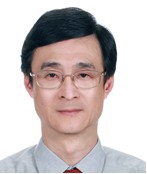
SESSION 21 SPEAKER
Dr. Ting-Jang Lu
National Taiwan University
TAIWAN
“Exploring the Phytochemical Profile of Poaceae Plants Using a Molecular Network Approach”
BIOGRAPHY
Professor Ting-Jang Lu
National Taiwan University, Taiwan (R.O.C.)
Dr. Ting-Jang Lu is a food chemist dedicated to developing functional carbohydrate ingredients and analytical methods for food research and has published more than 80 peer-reviewed scientific papers. After obtaining his Ph.D. degree from the Department of Food Science and Human Nutrition at Iowa State University, USA, in 1995, he joined the Institute of Food Science and Technology, National Taiwan University, as a faculty member in 1997 and as Director from 2015 to 2018. Dr. Lu received the Outstanding Teaching Award from National Taiwan University in 2007 and several other teaching awards in recognition of his dedication to teaching. He is also a Certified Food Scientist by the International Food Science Certification Commission, USA, and received the Academic Award from the Agricultural Chemical Society of Taiwan in 2014 for his achievements in food analysis and carbohydrate chemistry. Professor Lu served as President of the AOAC International-Taiwan Section from 2019 to 2021 and the Agricultural Chemical Society of Taiwan from 2023 to 2025, promoting food and agricultural analysis in Taiwan.
← Back to Speaker CV
Exploring the Phytochemical Profile of Poaceae Plants Using a Molecular Network Approach Zhi-Yue Wang1、Pei-Yin Lin2、Ting-Jang Lu1*
1 Institute of Food Science and Technology, National Taiwan University, Taipei, Taiwan (R.O.C.) 2 Joint Center for Instruments and Researches, College of Bioresources and Agriculture, National Taiwan University, Taipei, Taiwan (R.O.C.)
Abstract The Poaceae are the most economically important plant family, comprising staple foods from domesticated cereal crops, feed grasses, and sources of phytochemicals. To explore the profiles of phytochemicals in Poaceae, this study performed untargeted screening using high-performance liquid chromatography coupled with high-resolution Orbitrap mass spectrometry (HPLC-HRMS) and visualized and organized metabolomic data by molecular networking. The molecular network is used to predict the structures of unknown compounds and to improve the annotation rates by grouping compounds into molecular families based on KEGG metabolic pathways. To verify the identification of node compounds, the resulting data were deconvoluted to resolve mass spectral features and subjected to targeted analysis by comparing with databases and authentic standards, thereby establishing molecular network relationships. We have identified 159 plant metabolites, including 58 flavonoids, 22 phenolic acids, 11 fatty acids and their derivatives, 9 amino acids and their derivatives, 8 phenolamides, 7 organic acids, and 6 anthocyanins. The model developed in this study serves as a tool to explore metabolite accumulation in barley, rice, wheat, oat, rye, millet, napiergrass, and sasagrass plants and to assist in developing health-promoting plant-based bioactive ingredients.
Keywords — Poaceae, cereal, molecular networking, mass spectrometry, phytochemical
← Back to Session 21

SESSION 21 SPEAKER
Dr. Yen-Chen Tung
National Ilan University
TAIWAN
“Bioactive Compounds of Citrus and Hedychium Variants: Impacts on Lipid Accumulation and Cancer Progression”
BIOGRAPHY
Biography not provided by speaker.
← Back to Speaker CV
Bioactive Compounds of Citrus and Hedychium Variants: Impacts on Lipid Accumulation and Cancer Progression
Yen-Chen Tung
Department of Food Science, National Ilan University, Yilan County, Taiwan
Plants are rich sources of bioactive compounds that offer significant potential in managing obesity and its severe associated complications. The phytochemical profiles of these plants vary considerably depending on the species, tissue type, and ripening stage, which in turn dictate their distinct biological activities. Successfully leveraging these phytochemicals heavily relies on drying techniques and extraction methodologies. Therefore, this research investigates how these processing variables impact the in vitro antioxidant capacities and downstream cellular efficacies of specific Citrus and Hedychium coronarium variants.
Keywords — Citrus, drying, extraction, Hedychium coronarium variants
← Back to Session 21
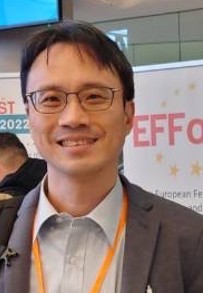
SESSION 21 SPEAKER
Dr. Tai-Yuan Chen
National Taiwan Ocean University
TAIWAN
“Plasma-Activated Water as an Emerging Strategy for Controlling Listeria monocytogenes: Cellular Responses and Molecular Mechanisms”
BIOGRAPHY
Professor Tai-Yuan Chen is Director of the Department of Food Science and the Institute of Food Safety and Risk Management at National Taiwan Ocean University (NTOU), Taiwan. His research interests encompass marine food chemistry, non-thermal food processing, and the proteomic characterization of Listeria monocytogenes. He has expertise liquid chromatography–mass spectrometry (LC–MS), and proteomics, and has been invited to deliver presentations at international conferences worldwide. Professor Chen received his Ph.D. from NTOU in 2003, where his doctoral research focused on species-specific protein identification in pufferfish using one- and two-dimensional electrophoresis coupled with mass spectrometry. He subsequently joined the Institute of Biological Chemistry at Academia Sinica, where he conducted research on allergen identification and characterization using integrated 2-DE, Western blotting (WB), and LC–MS/MS approaches. In 2009, Professor Chen returned to NTOU and has since contributed extensively to teaching, research, and academic leadership. He has served in leadership positions in both the Department of Food Science and the Institute of Food Safety and Risk Management, where he currently serves as Director. His research integrates food chemistry, advanced analytical proteomics, and emerging non-thermal processing technologies to address food safety and quality challenges, particularly those associated with seafood and foodborne pathogens.
← Back to Speaker CV
Plasma-Activated Water as an Emerging Strategy for Controlling Listeria monocytogenes: Cellular Responses and Molecular Mechanisms
Yun-Hsuan Huang1, Chien-Lin Chen1, Tsui-Chin Huang2, Hsin-Yi Chang3, and Tai-Yuan Chen1,4,*
1 Department of Food Science, National Taiwan Ocean University, Keelung, Taiwan 2 Master Program in Graduate Institute of Cancer Biology and Drug Discovery, Taipei Medical University, Taipei, Taiwan 3 Graduate Institute of Medical Sciences, National Defense Medical University, Taipei, Taiwan 4 Institute of Food Safety and Risk Management, National Taiwan Ocean University, Keelung, Taiwan * Correspondence: tychen@email.ntou.edu.tw; +886-2-24622192 #5124
Listeria monocytogenes is a major foodborne pathogen capable of surviving under diverse environmental stresses, growing at refrigeration temperatures, and forming biofilms, making its control challenging in food processing environments. Plasma-activated water (PAW) has emerged as a promising non-thermal antimicrobial technology; however, its cellular and molecular mechanisms against L. monocytogenes remain incompletely understood. This review summarizes our recent findings on the antimicrobial effects of PAW on planktonic and biofilm-associated cells, with particular emphasis on cellular damage, induction of the viable but nonculturable (VBNC) state, and proteomic responses. Increasing plasma activation progressively decreased pH while increasing oxidation-reduction potential, electrical conductivity, and reactive nitrogen species. PAW treatment significantly reduced planktonic and sessile cells and caused membrane disruption, intracellular DNA and protein leakage, and structural damage. Planktonic cells were generally more susceptible than biofilm-associated cells. Importantly, culture-based and flow cytometry analyses indicated that sublethal PAW exposure could induce L. monocytogenes into a VBNC state, highlighting the importance of combining culture-based and viability-based methods for evaluating antimicrobial efficacy. Proteomic analyses revealed extensive cellular adaptation following PAW treatment, involving oxidative stress, ribosomal function, carbohydrate transport, energy metabolism, cell wall remodeling, lipid metabolism, and DNA repair. High-intensity PAW particularly affected the phosphotransferase system and energy metabolism while inducing proteins associated with membrane reconstruction and stress adaptation. Overall, PAW exerts multifaceted antimicrobial effects through oxidative and nitrosative stress, membrane damage, metabolic disruption, and proteomic remodeling, ultimately reducing cellular culturability and potentially inducing the VBNC state. These findings provide mechanistic insights for optimizing PAW as a sustainable intervention against persistent L. monocytogenes contamination in food processing environments.
Biography: Professor Tai-Yuan Chen is Director of the Department of Food Science and the Institute of Food Safety and Risk Management at National Taiwan Ocean University (NTOU), Taiwan. His research interests encompass marine food chemistry, non-thermal food processing, and the proteomic characterization of Listeria monocytogenes. He has expertise liquid chromatography–mass spectrometry (LC–MS), and proteomics, and has been invited to deliver presentations at international conferences worldwide. Professor Chen received his Ph.D. from NTOU in 2003, where his doctoral research focused on species-specific protein identification in pufferfish using one- and two-dimensional electrophoresis coupled with mass spectrometry. He subsequently joined the Institute of Biological Chemistry at Academia Sinica, where he conducted research on allergen identification and characterization using integrated 2-DE, Western blotting (WB), and LC–MS/MS approaches. In 2009, Professor Chen returned to NTOU and has since contributed extensively to teaching, research, and academic leadership. He has served in leadership positions in both the Department of Food Science and the Institute of Food Safety and Risk Management, where he currently serves as Director. His research integrates food chemistry, advanced analytical proteomics, and emerging non-thermal processing technologies to address food safety and quality challenges, particularly those associated with seafood and foodborne pathogens.
Keywords — Listeria monocytogenes; Plasma-activated water (PAW); Viable but nonculturable (VBNC) state; Biofilm; Quantitative Proteomics
Room 1Functional Foods and Nutraceuticals
← Back to Index
Functional Foods and Nutraceuticals
Dr. Hua-Tsung Lin, Dr. Chen-Che Hsieh
TimeSpeakerTitle
點擊任一列,即可查看該講者完整 CV 與摘要 · Click any row to view the speaker's full CV and abstract
← Back to Session 22

SESSION 22 SPEAKER
Dr. Chen-Che Hsieh
National Kaohsiung University of Science and Technology
TAIWAN
“Integrating Fermentation Bioprocessing and in Silico Simulation for Functional Bioactive Compound Development”
BIOGRAPHY
Biography not provided by speaker.
← Back to Speaker CV
Integrating Fermentation Bioprocessing and In Silico Simulation for Functional Bioactive Compound Development
Chen-Che Hsieh 1, Kuan-Chen Cheng 2,3*
1Department of Seafood Science, National Kaohsiung University of Science and Technology, No. 142, Haijhuan Rd., Nanzih District, Kaohsiung 81143, Taiwan. R.O.C. 2Institute of Food Science and Technology, National Taiwan University, No. 1, Sec. 4, Roosevelt Rd., Taipei, Taiwan. R.O.C. 3Institute of Biotechnology, National Taiwan University, No. 1, Sec. 4, Roosevelt Rd., Taipei, Taiwan. R.O.C.
Abstract This study integrates microbial fermentation, bioactive compound identification, functional validation, and in silico simulation to develop Taiwan-specific fermented bioresources. Chenopodium formosanum and Ganoderma formosanum were used as representative materials, and solid-state, submerged, and immobilized repeated-batch fermentation were applied to enhance the production of bioactive peptides, organic acids, aromatic compounds, and anti-melanogenic metabolites. Functional activities were evaluated using models related to PM2.5-induced pulmonary inflammation, oxidative stress, non-replicative aging, melanogenesis, and pulmonary fibrosis. LC–MS/MS, RNA-seq, qPCR, and immunoblotting were used to clarify regulatory mechanisms involving NF-κB, Nrf2, TGF-β, and tyrosinase pathways. Multiple-ligand docking and molecular dynamics simulations further supported the interpretation of target binding, interaction stability, and possible synergistic effects. This work provides a fermentation- and in silico-guided framework for developing functional foods and natural bioactive compounds targeting healthy aging, pulmonary protection, and skin health.
Keywords — Bioactive compounds; Bioreactor; Functional food; In silico simulation; Microbial fermentation
← Back to Session 22

SESSION 22 SPEAKER
Dr. Hua-Tsung Lin
National Ilan University
TAIWAN
“Valorization and Nutritional Enhancement of Sustainable Agro-Products via Integrated Processing Techniques: Modification of Rice, Buckwheat, and Okara in Taiwan”
BIOGRAPHY
Hua-Tsung Lin received the B.S. degree from the Department of Seafood Science, National Kaohsiung University of Science and Technology (NKUST), Taiwan, R.O.C. in 2014, and the Ph.D. degree from the Institute of Food Science and Technology, National Taiwan University (NTU) in 2022. Dr. Lin joined the Department of Food Science and Technology at National Ilan University as an assistant professor since 2023. His research focuses on starch and polysaccharide science, incorporating enzyme engineering and the structural analysis of cereal, grain, and agricultural products. His expertise extends to innovative applications in food processing and packaging, aiming to enhance the functional properties and value of agricultural resources. He has published research in leading journals, including studies on amylomaltase-modified starch in Food Hydrocolloids and the application of modified soy protein isolate in International Journal of Biological Macromolecules. Currently, he serves as the Secretary General of the Taiwan Grain Industry Association (TGIA). His goal is to advance the high-value utilization of agricultural resources through scientific innovation, fostering solutions that bridge the gap between academic research and industrial application.
← Back to Speaker CV
Valorization and Nutritional Enhancement of Sustainable Agro-Products via Integrated Processing Techniques: Modification of Rice, Buckwheat, and Okara in Taiwan
Ching Chung1, Yu-Hsuan Li1, Huai-Min Chen1, Jia-Tao, Jiang1, Hong Yang1, Li-An Yu1, Hua-Tsung Lin12*
1Department of Food Science, National Ilan University 2Taiwan Grain Industry Association 1No. 1, Sec. 1, Shennong Rd., Yilan City, Yilan County 26047, Taiwan. 2No. 223, Sec. 3, Zhongshan Rd., Bali Dist., New Taipei City 249303, Taiwan.
Presenting author's email address: huatsunglin@niu.edu.tw (Hua-Tsung Lin) Abstract: Rice is Taiwan's staple food and main crop. Taiwan also grows many other grains, such as buckwheat and soybeans. To promote whole-food utilization and the valorization and nutritional enhancement of sustainable agro-products via integrated processing techniques, this study investigated the modification of rice, buckwheat, and okara in Taiwan, evaluating changes in starch properties, physicochemical properties, and nutritional values. Using broken rice and various rice varieties, crackers with different textures were produced. For innovative applications, rice flour was combined with okara to formulate high-fiber rice waffles, and also used in electrospinning to generate biodegradable films. To meet the needs of elderly people with dysphagia, puffing processing technology adjusted rice flour to a honey-like rheological consistency. Specifically, Kaohsiung 147 japonica rice ensured structural formation through its high viscosity, while glutinous rice improved elasticity. Furthermore, air-flow milling technology enhanced the viscoelasticity of rice flour, and ultrasound treatment micronized okara to improve waffle sensory attributes. For emergency foods, enzymatic treatment combined with hot-air drying yielded instant whole-grain rice with excellent rehydration. Regarding Tartary buckwheat, controlled parboiling treatment minimized breakage during dehulling. Wet milling improved water retention in plant-based beverages to 49.1% compared with dry milling, reducing sedimentation and improving stability. Lastly, modification of Tartary buckwheat via pullulanase and transglucosidase successfully lowered the breakage rate of gluten-free Tartary buckwheat noodles to 23.33% and preserved bioactive components like rutin. Overall, these processing technologies successfully valorize sustainable local agricultural resources to meet nutritional needs, aligning with the Sustainable Development Goals (SDGs).
Keywords — Sustainable agro-products, Integrated processing techniques, Whole-food utilization, Elderly nutrition, Starch modification, Agro-products valorization.
← Back to Session 22

SESSION 22 SPEAKER
Ms. Beppu Michio
“(title to be announced)”
BIOGRAPHY
Biography not provided by speaker.
← Back to Speaker CV
(title to be announced)
Ms. Beppu Michio
,
Full abstract text was not available in the submitted materials. Please refer to the talk title above, or contact the speaker directly.
Room 2Gut, Brain and Health
← Back to Index
Gut, Brain and Health
Dr. Kuan-Ju Chen, Dr. Yuwen Ting
TimeSpeakerTitle
點擊任一列,即可查看該講者完整 CV 與摘要 · Click any row to view the speaker's full CV and abstract
← Back to Session 23

SESSION 23 SPEAKER
Dr. Kuan-Ju Chen
University of Guam
UNITED STATES
“From Farm Stress to Precision Health: A Community-Based Approach to Farmer Health and Well-Being in Guam and Micronesia”
BIOGRAPHY
Kuan-Ju Chen, Ph.D.
a. Professional Preparation
Washington State University, Pullman, WA
Economics
PhD
2013-2019
Washington State University, Pullman, WA
Statistics
M.S.
2017-2018
University of Arizona, Tucson, AZ
Finance
M.S.
2010-2011
Southeast Missouri State University, Cape Girardeau, MO International Business M.B.A. 2007-2009
I-Shou University, Kaohsiung, Taiwan
Civil Engineering
B.S.
1999-2003
b. Appointments
2023-Present Associate Professor, College of Natural and Applied Sciences, University of Guam, Mangilao, GU
2024-2026 Chair, Division of Agricultural and Life Sciences, University of Guam, Mangilao, GU
2019-2023 Assistant Professor, College of Natural and Applied Sciences, University of Guam, Mangilao, GU
2013-2019 Research Assistant, School of Economics Sciences, Washington State University, Pullman, WA
c. Synergistic activities
1. USDA-NIFA-SARE, Building Agritourism Capacity in Guam and the NMI through First Impressions
Tourism (FIT) and Community Asset Mapping, Sustainable Agriculture Research and Education. KuanJu Chen (PI), $99,868, 09/01/2026 to 08/31/2029.
2. USDA-NRCS-NR243A750018C004, Develop and update production costs and returns of selected crops
grown on small farms in Guam. Kuan-Ju Chen (PI), $565,052, 6/1/2024 to 5/31/2027.
3. USDA-NIFA-RIIA 2023-05543, Building Sustainable Agriculture Education Systems in Micronesian
Region for Next Decade. Kuan-Ju Chen (Co-PI), $200,000, 9/1/2023 to 8/31/2026.
4.
← Back to Speaker CV
Title: From Farm Stress to Precision Health: A Community-Based Approach to Farmer Health and Well-Being in Guam and Micronesia
Presenter: Kuan-Ju Chen, Ph.D. University of Guam, College of Natural & Applied Sciences, Mangilao, Guam, USA chenkj@triton.uog.edu Abstract: Farmers and agricultural communities in Guam and the broader Micronesian region operate within geographically isolated island environments characterized by limited resources, small markets, climate-related disruptions, and challenges in accessing specialized services. Understanding the diverse needs of these communities is essential for developing targeted, culturally responsive approaches to health promotion and community well-being. The University of Guam Farmer Focus Program uses community-based assessments to identify farmer and farmworker stressors and translate findings into targeted Extension and behavioral health outreach while strengthening regional partnerships across Pacific Island communities. This presentation examines lessons learned from Farmer Focus activities and studies conducted in Guam and the Micronesian region and considers their relevance to precision health. Through farmer-centered needs assessments, educational outreach, regional conferences, workshops, and partnerships with agricultural, health, and community organizations, the program identifies locally relevant challenges and connects farmers and farmworkers with information and resources addressing agricultural production, occupational well-being, behavioral health awareness, and community resilience. The Farmer Focus experience suggests that precision health approaches in small-island communities should extend beyond individualized clinical interventions to incorporate place, occupation, culture, socioeconomic conditions, and community networks. Community-based Extension systems can serve as an important bridge connecting research, health education, agriculture, and underserved populations. Lessons from Guam and Micronesia demonstrate the potential for integrating locally generated evidence with interdisciplinary partnerships to develop more targeted, accessible, and culturally responsive health and wellness interventions for agricultural communities throughout the Pacific.
Keywords — Precision health; agricultural stress; farmer well-being; Micronesia; community-based Extension; behavioral health
← Back to Session 23

SESSION 23 SPEAKER
Dr. Yuwen Ting
National Taiwan University
TAIWAN
“Applications of Plasma Technology in Green Food Processing: From Food Safety to Sustainable Recycling”
BIOGRAPHY
Biography not provided by speaker.
← Back to Speaker CV
Applications of Plasma Technology in Green Food Processing: From Food Safety to Sustainable Recycling
Dr. Yuwen Ting
Institute of Food Science and Technology, National Taiwan University, Taiwan. Email: pywting@ntu.edu.tw
Abstract Cold plasma, an emerging non-thermal processing technology, offers chemical-free, low-energy, and ambient-temperature operation, making it a key pathway toward green food processing. Our research team has established a precisely controlled plasma sterilization platform that ensures food safety while preserving quality, and has pioneered the use of atmospheric cold plasma for pesticide residue degradation, mycotoxin removal, and acrylamide reduction, comprehensively enhancing food safety. In allergen elimination, we achieved several world-first results, demonstrating that argon plasma effectively reduces the immunoreactivity of the peanut allergen Ara h 1, and being the first to compare the processing efficiency of plasmas generated from different gases, revealing the critical role of reactive oxygen species. We further pioneered the integration of plasma into the peanut roasting process, reducing Ara h 1 antigenicity by up to 91%. Beyond this, the team has extended the technology to plasma-activated water for regulating seed germination gene expression, detoxification of agricultural waste hydrolysates, and starch modification. Together, these advances balance food safety, sensory quality, and resource sustainability, providing innovative and environmentally friendly solutions that lead the global development of food plasma technology.
電漿技術於食品綠色加工之應用:從食品安全到永續再利用 丁俞文 電漿作為新世代非熱加工技術,具有無化學殘留、低能耗與常溫操作等特性,正逐漸成為食品綠色加工的關鍵途徑。本研究團隊建立精準可控的電漿殺菌平台,在確保食品安全的同時兼顧品質保存,並率先將常溫電漿應用於農藥殘留降解、黴菌毒素去除與丙烯酰胺減量,全面提升食品安全等級。在過敏原去除方面取得多項國際首見成果,證實氬氣電漿可有效降低花生過敏原 Ara h 1 之免疫反應性,並首次比較不同氣體電漿之加工效率,揭示活性氧在加工中的關鍵作用;更領先將電漿導入烘烤花生製程,使 Ara h 1 抗原性最高降低達 91%。此外,團隊亦將技術拓展至電漿活化水調控種子發芽基因表現、農業廢棄物水解液解毒,以及澱粉物化性質改質等前沿綠色應用,兼顧食品安全、感官品質與資源永續。整體研究成果為食品產業的綠色轉型提供創新且環境友善的解決方案,並引領全球食品電漿技術的發展方向。
Keywords — Cold Plasma Technology, Food Safety, Allergen Reduction, Pesticide and Mycotoxin Degradation, Plasma-Activated Water
← Back to Session 23

SESSION 23 SPEAKER
Dr. Tsung-Ju Li
Grape king Bio, Biotech Research Institute
TAIWAN
“Precision Liquid Fermentation-Derived SS-MN4 Mycelia for Enhanced Physical Performance and Mitigated Muscle Damage”
BIOGRAPHY
Biography not provided by speaker.
← Back to Speaker CV
Precision Liquid Fermentation-Derived SS-MN4 Mycelia for Enhanced Physical Performance and Mitigated Muscle Damage
Tsung-Ju Li
Leveraging precision liquid fermentation technology, this study investigates Sanghuangporus sanghuang mycelia (SS-MN4) as a novel nutraceutical for combating age-related muscle atrophy and exercise-induced muscle damage (EIMD). In animal models, SS-MN4 achieved a 111.2% recovery in gastrocnemius muscle mass and an 89.1% improvement in treadmill motor function, outperforming BCAA in resistance training metrics such as grip strength and endurance. A randomized, double-blind, placebo-controlled human trial (N=58) demonstrated that daily supplementation of 500 mg of SS-MN4 significantly attenuates EIMD, reducing serum creatine kinase by 22% and urinary 3-methylhistidine by 16%. Furthermore, SS-MN4 accelerated neuromuscular recovery by up to 18% and optimized neuroendocrine profiles, specifically through significant growth hormone spikes and testosterone preservation. Notably, while the bioactive compound hispidin supports muscle endurance, the full SS-MN4 complex uniquely remodels the gut microbiome to support an enhanced recovery phenotype. These findings position precision-fermented SS-MN4 as a potent, multi-functional tool for optimizing muscle mass, physical performance, and systemic recovery.
🏆 PhD Oral Presentation Competition
Session 18 · Room 6 · Dr. Hsin-Tang Lin, Dr. Danny N. Dhanasekaran
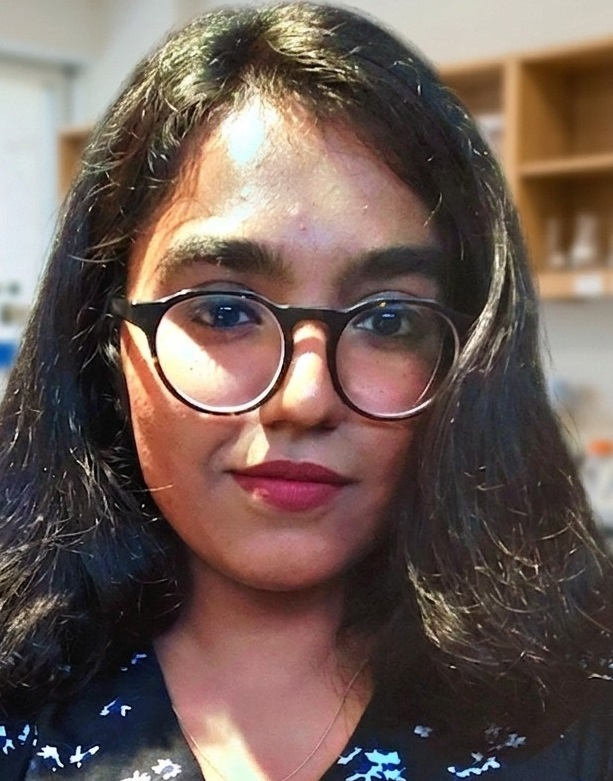
Ms Adeline Dorothy
Bharathidasan University · India
S 18-1 · 15:20–15:25
Stress-Regulatory Effect of Oxytocin in Prenatal Maternal Stress Animal Model
Abstract Maternal stress is a significant risk factor for development of behavioural disorders in offspring, with effects transmitted across generations through epigenetic mechanisms. We hypothesized that prenatal maternal stress (PMS) during critical developmental gestation induces transgenerational epigenetic changes via H3K4me2/3 histone methylation, disrupting corticotrophin releasing hormone (CRH) stress signalling and brain derived neurotrophic factor (BDNF)-mediated synaptic plasticity.

Mr. Asif Ali
Chung Shan Medical University · Taiwan
S 18-2 · 15:25–15:30
Neuroprotective Effect of Fresh Gac Fruit (Momordica Cochinchinensis) Parts Against β-amyloid-Induced Neurodegeneration in HT-22 Cells
1Department of Nutrition, Chung Shan Medical University, 110, Section 1, Jianguo North Road, Taichung 40201, Taiwan. 2Institute of Medicine, Chung Shan Medical University, 110, Section 1, Jianguo North Road, Taichung 40201, Taiwan. *Correspondence: wck@csmu.edu.tw Abstract Neurodegenerative diseases (NDs) have emerged as a significant global health crisis, disproportionately affecting the aging population.

Ms. Ann Elaine Wagan
Kyoto University · Japan
S 18-3 · 15:30–15:35
Proline-Based Diketopiperazines (Cyclic Dipeptides) From Fermented Foods Enhance Macrophage Phagocytosis While Attenuating Inflammatory Responses
NPS-2143 (1–10 μM) dose-dependently reduced DKP-induced phagocytosis; this reduction was reversed by an additional 1 μM cLP, further supporting the involvement of CaSR-associated signaling. Despite enhanced phagocytic activity, cLP (1 μM) reduced LPS-induced IL-6 production, but not TNF-alpha, at both the protein (ELISA) and transcript (qPCR) levels, along with downregulated LPS-induced iNOS expression and NO production. Moreover, in the absence of LPS, 1 μM cLP alone selectively increased CD86 expression, indicating a selective, nonin ammatory mode of macrophage activation.
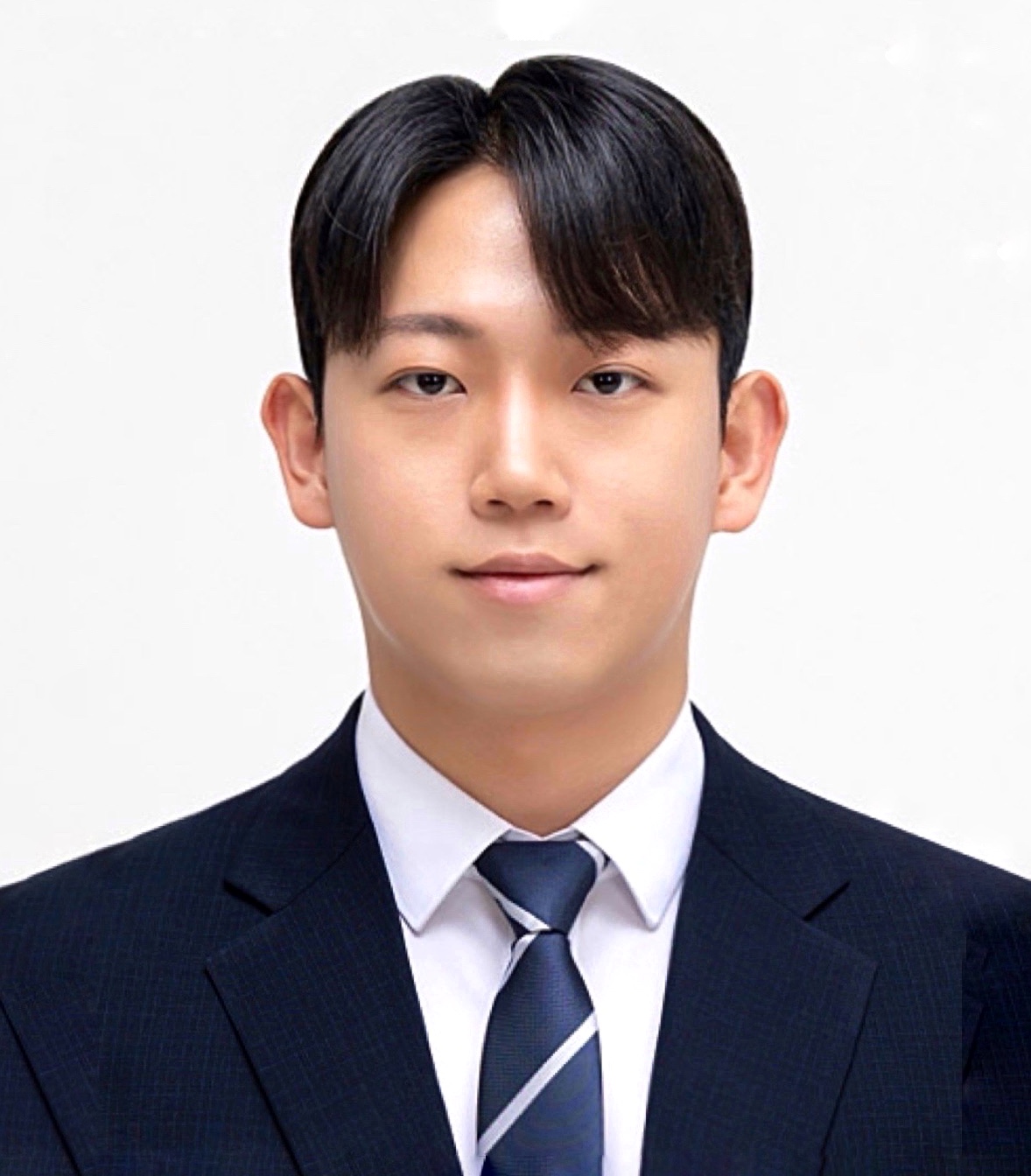
Mr. Hyeonseo Jo
Dongguk University · Korea
S 18-4 · 15:35–15:40
Effects of Ultrasonic Treatment and Drying Methods on Umami-Active Taste Compounds and Volatile Flavor Profile of Raw Laver (Neopyropia Yezoensis)
Raw laver (Neopyropia yezoensis) was treated with ultrasound at three nominal powers corresponding to 22, 42, and 64% amplitude (154, 294, and 448 W), followed by hot-air drying or freeze-drying. Umami-active free amino acids were analyzed by HPLC-UV, and volatile compounds in the roasted samples were characterized by HS-SPME–GC–MS. Regardless of the applied power, ultrasonic treatment increased glutamic acid and aspartic acid contents in hot-air-dried laver by 57.8% and 37.3%, respectively, compared with the water-soaked control.

Mr. Marius Užupis
Kaunas University of Technology · Lithuania
S 18-5 · 15:40–15:45
Bioactive Fractions of Inula salicina: Phytochemical Composition, Enzyme Inhibitory and Antimicrobial Activities
Inula salicina is a medicinal plant used in ethnomedicine and a promising source of bioactive phytochemicals. This study aimed to optimize pressurized liquid extraction (PLE), characterize the phytochemical composition of the obtained extract, and investigate the effect of solvent fractionation on its biological properties. PLE with EtOH/H2O was optimized by response surface methodology considering temperature, extraction time, and ethanol concentration. The optimal conditions (82 °C, 27 min, 60% EtOH) yielded 29.1 g/100 g plant material and an extract with high phenolic content and antioxidant capacity.

Ms. Rutvi Vaja
Navrachana University · India
S 18-6 · 15:45–15:50
Duration-Dependent Neuroprotective Reversal by Melatonin in a Chronic Aluminium Toxicity Induced Zebrafish Model
1Department of Biomedical Sciences and Life Sciences, School of Science, Navrachana University, Vadodara, Gujarat, India, 391410. 2Professor Emeritus and Mentor, School of Science, Navrachana University, Vadodara, Gujarat, India, 391410. *Corresponding Author: Darshee Baxi, Department of Biomedical and Life Sciences, Navrachana University, Vadodara, Gujarat, India. E-mail: darsheeb@nuv.ac.in Abstract Aluminum is a potent neurotoxin, whose accumulation in the central nervous system (CNS) is considered a critical factor in driving neuronal disorders.

Ms. Sedoten Ogun
University of Nebraska–Lincoln · United states
S 18-7 · 15:50–15:55
Dietary γ-glutamyl Valine (γ-EV) Reduces Vascular Inflammation and Slows the Progression of High-Fat Diet-Induced Atherosclerosis, Through Modulation of Gut Microbiota in Atherosclerosis-Prone Mice
Lincoln, USA 2 Nebraska Food for Health Center, Lincoln, Nebraska, USA Atherosclerosis, characterized by arterial plaque formation and lipid accumulation, is a major driver of cardiovascular disease. Current therapies primarily target late-stage clinical events such as plaque rupture, thrombosis, and myocardial infarction, with comparatively limited strategies aimed at preventing disease progression. γ-glutamyl valine (γ-EV), a dietary peptide found in fermented foods, has been shown to attenuate TNF-induced endothelial inflammation via activation of CaSR.
Ms. Thejaswini
Bharathidasan University · India
S 18-8 · 15:55–16:00
Matrix Metalloproteinase Inhibitor Minimizes the Maternal Infection, Induces Neuronal Structure and Behavioural Alterations in Experimental Meningitis Rat Model
Abstract Maternal infection (MI) can result in significant neurodevelopmental abnormalities and long-term neurological sequelae in offspring. This study was designed to investigate whether inhibition of matrix metalloproteinase can minimize MI-induced alterations in synaptic protein expression, axonal morphology, dendritic, and spine morphology, and behaviour in a neonatal rat model of bacterial meningitis. To test, on gestational day (GD) 10, pregnant rats were infected with Cronobacter sakazakii (CS) via rectovaginal colonization (MI), and a group of C.

Mr. Woojin Na
Dongguk University · Korea
S 18-9 · 16:00–16:05
From Food by-Products to Sustainable Emulsifiers Through Two-Stage Sequential Ultrasound-Assisted Complexation of Brewer's Spent Grain Protein With Polyphenols From Spent Coffee Grounds and Persimmon Peel
Protein–polyphenol complexes were developed from brewer’s spent grain (BSG) protein and polyphenols recovered from spent coffee grounds (SCG) and persimmon peel (PP) as a sustainable strategy for converting food by-products into functional emulsifiers. A two-stage sequential ultrasound treatment was applied to promote protein unfolding during the first stage and subsequent complex rearrangement during the second stage. SCG–BSG and PP–BSG complexes were prepared at polyphenol-to-protein ratios of 0.10:1, 0.15:1, and 0.20:1.
📋 Poster Competition
Master Student Poster Display · October 21, 12:30–13:30 · On-site (Lobby)
01

Ms. Chien-Yu Huang
National Ilan University, Taiwan
Heterologous Expression and Characterization of Recombinant Ochratoxin A Hydrolases in GRAS Saccharomyces Cerevisiae
ABSTRACT Ochratoxin A (OTA) is a mycotoxin classified as a Group 2B carcinogen by the International Agency for Research on Cancer (IARC). Its widespread occurrence in agricultural commodities poses a significant threat to food safety and public health. Enzymatic detoxification using OTA hydrolases has emerged as a promising approach for OTA detoxification.; however, conventional bacterial expression systems present limitations related to biosafety and endotoxin contamination.
02

Ms. Ching Chung
National Ilan University, Taiwan
Development of Tartary Buckwheat Milk for Lifespan Nutrition Through Different Milling Methods and Enzymatic Treatment
Taiwan Grain Industry Association 1 No. 1, Sec. 1, Shennong Rd., Yilan City, Yilan County 26047, Taiwan. 2 No. 223, Sec. 3, Zhongshan Rd., Bali Dist., New Taipei City 249303, Taiwan. Abstract: Due to factors such as lactose intolerance, hypercholesterolemia, and increasing environmental awareness, plant-based milk has gradually gained favor among consumers.
03

Ms. Chun-Yu Lin
National Ilan University, Taiwan
Comparison of Plant Expression Systems for Enhanced Accumulation of Norovirus GII.4 VP1 Protein
ABSTRACT Norovirus (NoV) is a major cause of acute viral gastroenteritis worldwide and remains an important public health concern due to its high infectivity and genetic diversity. The absence of an approved vaccine highlights the need for efficient recombinant protein production platforms for vaccine development.
04

Ms. Dahyun Ko
Dongguk University, Korea
Effects of Ultrasound Treatment on the Interaction Between Soy Protein Isolate and Flavor Compounds
Soy protein isolate (SPI) is widely used in foods because of its nutritional value and functional properties, but it often has beany and grassy off-flavors caused mainly by aldehydes generated during lipid oxidation. This study focused on how ultrasound-induced structural changes in SPI affected its interactions with four representative aldehydes: hexanal, benzaldehyde, nonanal, and trans-2-nonenal.
05

Ms. Elizabeth K. Mathew
Navrachana University, India
Identifying Early Biomarkers and the Molecular Reversibility Window in the MCI-to-Alzheimer's Disease Transition Through Multi-Omic Integration: A Proposed Zebrafish Model for Functional Assessment
Email k.e.mathew@nuv.ac.in Background: Alzheimer’s disease is characterised by progressive metabolic dysfunction, neuro degeneration, and impaired bioenergetics. The study here has employed a multi-omic system workflow to investigate metabolic alterations and identify candidate network associated with the early disease progression. Methods: Publicly available metabolic GEOdatasets were obtained from NCBI gene expression omnibus (GEO) and are analysed using metaboanalyst.
06
Mr. Felix Widoto
Chung Shan Medical University, Taiwan
Gastroprotective Effect of Freshwater Clam and Wild Bitter Gourd on Indomethacin-Induced Gastric Injury in Wistar Rats
Abstract Gastric mucosal injury is closely associated with oxidative stress and inflammation, while long-term drug therapy may cause adverse effects. Natural-based remedies may provide safer alternatives. Freshwater clam (FC, Corbicula fluminea) exhibits gastroprotective effects, whereas wild bitter gourd (WBG, Momordica charantia Linn. var. abbreviata Ser.) possesses antioxidant and anti-inflammatory properties.
07

Mr. Hao-Yu Cheng
National Ilan University, Taiwan
¹H NMR Metabolomics Reveals That High-Pressure Processing Delays Spoilage-Associated Metabolic Changes in Megabalanus tintinnabulum During Refrigerated Storage
Abstract not available.
08
Ms. Hikaru Okahana
Kyoto University, Japan
Ingestion of Soft-Shelled Turtle Powder Increases the Anti- Fatigue Dipeptide (Lβ)-Asp-Leu in Blood: A New Candidate Biomarker Involved in Fatigue
D ROHTO Pharmaceutical Co., Ltd. 2 oft-shelled turtle (Pelodiscus sinensis) has long been consumed in Asia as a food forvitalityand S stamina. In mice, its protein hydrolysate is reported to exert anti-fatigue effects. However, the absorbedpeptidesresponsiblefortheseeffectshavenotbeenidentified.Inthisstudy,wesearchedfor these peptides, including isomerized forms, in mouse blood. aleBALB/cm
09

Ms. Hyejin Ahn
Dongguk University, Korea
Flavor Enhancement of Robusta Coffee by Soaking Green Beans in Fermented Spent Coffee Grounds Extract
Spent coffee grounds (SCG) are generated in large quantities as by-products and contain various organic compounds with potential as aroma precursors. This study aims to improve the flavor quality of Robusta coffee by applying SCG extract fermented with Levilactobacillus brevis DF01 to green beans and by comparing its effects with those of pulsed electric field (PEF) and ultrasound pretreatments.
10

Ms Rabia Shahzadi
Chung Shan Medical University, Taiwan
Neuroprotective Effects of Fermented Chrysanthemum Morifolium Ramat Tzvel (Renosage) Against β-amyloid Induced Neuronal Damage in HT-22 Cells
Abstract: Alzheimer’s disease (AD) is a neurodegenerative disorder initiated by Aβ accumulation leading to reactive oxygen species (ROS) production mitochondrial dysfunction and ultimately apoptotic neuronal cell death. Chrysanthemum morifolium Ramat Tzvel (RenoSage) is rich in phytochemicals and exhibits strong antioxidant, anti-inflammatory, and immunoregulatory effects.
11

Ms. Szu-Ting Wang
National Ilan University, Taiwan
Feasibility of Using Pre-Converted Domestic Cabbage (Brassica oleracea var. capitata) as a Nitrite Substitute
Abstract not available.
12

Mr. Yan-Ru Shen
National Ilan University, Taiwan
Effects of Frozen Storage on Quality, Microbiological Safety, and Supply Resilience of Chopped Yilan Sansing Green Onion
Abstract not available.
13

Ms. An An Chan
National Taiwan Ocean University, Taiwan
Consumer Responses to Labeled Salt-Reduced Foods in Taiwan: Implications for Precision Health Communication and Sodium-Reduction Strategies
Abstract Background: Excess sodium intake is a major modifiable risk factor for hypertension and cardiovascular disease. Salt-reduced processed foods may support population-level sodium reduction, but their uptake depends on how consumers interpret product information, perceive food-safety risks, and translate health concerns into purchasing decisions.
14

Mr. Jui-Yu Chen
Tunghai University, Taiwan
Angiotensin I-Converting Enzyme (ACE) Inhibitory Activity of Aiyu Seed Protein Hydrolysates
Abstract not available.
15

Ms. Saki Shirako
Pharma Foods International Co., Ltd., Japan
Long-Term GABA Administration Ameliorates Age-Related Memory Decline via Gut–Brain Axis Using Exosomes
Abstract not available.
16

Ms. Xuan Li
Pharma Foods International Co., Ltd., Japan
Mapping the Safety Landscape of Gamma-Aminobutyric Acid (GABA) as a Functional Food Ingredient
Abstract not available.
17

Ms. Yi-Min Hong
Tunghai University, Taiwan
Evaluation of Anti-Inflammatory Activities of Different Protein Hydrolysates in LPS-Stimulated RAW264.7 Macrophages
Abstract not available.
18

Ms. Yi-Ting Pu
National Taiwan Ocean University, Taiwan
Enhanced in Vitro Zinc Bioavailability and Intestinal Barrier Integrity of Zinc-Fortified Wheat Germ
Presentation Category: Master’s Poster Presentation Background and Objective: Wheat germ (WG) is a nutrient-rich by-product of wheat milling and represents a promising plant-based source of zinc. However, zinc bioavailability from plant-based foods may be limited by antinutritional factors such as phytic acid. This study investigated whether zinc fortification of wheat germ could enhance zinc bioaccessibility and intestinal absorption and evaluated its effects on intestinal barrier integrity.
19

Ms. Yi-Wen Deng
National Ilan University, Taiwan
Viola nanlingensis Extract Inhibits NLRP3 Activation and Attenuates Dextran Sulfate Sodium-Induced Colitis
Abstract not available.
20
Ms Adeline Dorothy
Bharathidasan University, India
Stress-Regulatory Effect of Oxytocin in Prenatal Maternal Stress Animal Model
Abstract Maternal stress is a significant risk factor for development of behavioural disorders in offspring, with effects transmitted across generations through epigenetic mechanisms. We hypothesized that prenatal maternal stress (PMS) during critical developmental gestation induces transgenerational epigenetic changes via H3K4me2/3 histone methylation, disrupting corticotrophin releasing hormone (CRH) stress signalling and brain derived neurotrophic factor (BDNF)-mediated synaptic plasticity.
21
Mr. Asif Ali
Chung Shan Medical University, Taiwan
Neuroprotective Effect of Fresh Gac Fruit (Momordica cochinchinensis) Parts Against β-amyloid-Induced Neurodegeneration in HT-22 Cells
1Department of Nutrition, Chung Shan Medical University, 110, Section 1, Jianguo North Road, Taichung 40201, Taiwan. 2Institute of Medicine, Chung Shan Medical University, 110, Section 1, Jianguo North Road, Taichung 40201, Taiwan. *Correspondence: wck@csmu.edu.tw Abstract Neurodegenerative diseases (NDs) have emerged as a significant global health crisis, disproportionately affecting the aging population.
22
Ms. Ann Elaine Wagan
Kyoto University, Japan
Proline-Based Diketopiperazines (Cyclic Dipeptides) From Fermented Foods Enhance Macrophage Phagocytosis While Attenuating Inflammatory Responses
NPS-2143 (1–10 μM) dose-dependently reduced DKP-induced phagocytosis; this reduction was reversed by an additional 1 μM cLP, further supporting the involvement of CaSR-associated signaling. Despite enhanced phagocytic activity, cLP (1 μM) reduced LPS-induced IL-6 production, but not TNF-alpha, at both the protein (ELISA) and transcript (qPCR) levels, along with downregulated LPS-induced iNOS expression and NO production.
23
Mr. Hyeonseo Jo
Dongguk University, Korea
Effects of Ultrasonic Treatment and Drying Methods on Umami-Active Taste Compounds and Volatile Flavor Profile of Raw Laver (Neopyropia yezoensis)
Raw laver (Neopyropia yezoensis) was treated with ultrasound at three nominal powers corresponding to 22, 42, and 64% amplitude (154, 294, and 448 W), followed by hot-air drying or freeze-drying. Umami-active free amino acids were analyzed by HPLC-UV, and volatile compounds in the roasted samples were characterized by HS-SPME–GC–MS.
24
Mr. Marius Užupis
Kaunas University of Technology, Lithuania
Bioactive Fractions of Inula salicina: Phytochemical Composition, Enzyme Inhibitory and Antimicrobial Activities
Inula salicina is a medicinal plant used in ethnomedicine and a promising source of bioactive phytochemicals. This study aimed to optimize pressurized liquid extraction (PLE), characterize the phytochemical composition of the obtained extract, and investigate the effect of solvent fractionation on its biological properties. PLE with EtOH/H2O was optimized by response surface methodology considering temperature, extraction time, and ethanol concentration.
25
Ms. Rutvi Vaja
Navrachana University, India
Duration-Dependent Neuroprotective Reversal by Melatonin in a Chronic Aluminium Toxicity Induced Zebrafish Model
1Department of Biomedical Sciences and Life Sciences, School of Science, Navrachana University, Vadodara, Gujarat, India, 391410. 2Professor Emeritus and Mentor, School of Science, Navrachana University, Vadodara, Gujarat, India, 391410. *Corresponding Author: Darshee Baxi, Department of Biomedical and Life Sciences, Navrachana University, Vadodara, Gujarat, India.
26
Ms. Sedoten Ogun
University of Nebraska–Lincoln, United states
Dietary γ-glutamyl Valine (γ-EV) Reduces Vascular Inflammation and Slows the Progression of High-Fat Diet- Induced Atherosclerosis, Through Modulation of Gut Microbiota in Atherosclerosis-Prone Mice
Lincoln, USA 2 Nebraska Food for Health Center, Lincoln, Nebraska, USA Atherosclerosis, characterized by arterial plaque formation and lipid accumulation, is a major driver of cardiovascular disease. Current therapies primarily target late-stage clinical events such as plaque rupture, thrombosis, and myocardial infarction, with comparatively limited strategies aimed at preventing disease progression.
27
Ms. Thejaswini
Bharathidasan University, India
Matrix Metalloproteinase Inhibitor Minimizes the Maternal Infection, Induces Neuronal Structure and Behavioural Alterations in Experimental Meningitis Rat Model
Abstract Maternal infection (MI) can result in significant neurodevelopmental abnormalities and long-term neurological sequelae in offspring. This study was designed to investigate whether inhibition of matrix metalloproteinase can minimize MI-induced alterations in synaptic protein expression, axonal morphology, dendritic, and spine morphology, and behaviour in a neonatal rat model of bacterial meningitis.
28
Mr. Woojin Na
Dongguk University, Korea
From Food by-Products to Sustainable Emulsifiers Through Two-Stage Sequential Ultrasound-Assisted Complexation of Brewer's Spent Grain Protein With Polyphenols From Spent Coffee Grounds and Persimmon Peel
Protein–polyphenol complexes were developed from brewer’s spent grain (BSG) protein and polyphenols recovered from spent coffee grounds (SCG) and persimmon peel (PP) as a sustainable strategy for converting food by-products into functional emulsifiers. A two-stage sequential ultrasound treatment was applied to promote protein unfolding during the first stage and subsequent complex rearrangement during the second stage.


